Curated reviews and top-rated picks across electronics, kitchenware, phone accessories, and more.
Get a Free Quote




Trusted Product Reviews Since 2022
Symfonycamp publishes carefully researched product recommendations across categories including home electronics, kitchen, phone accessories, audio gear, and more. Each article highlights top-rated items with detailed ratings and direct links to learn more.
Explore Reviews
Our Review Categories
Explore top-rated products across every category we cover
 Bike Gear
 Audio
Audio Microphones
 Batteries
 Phone Cases
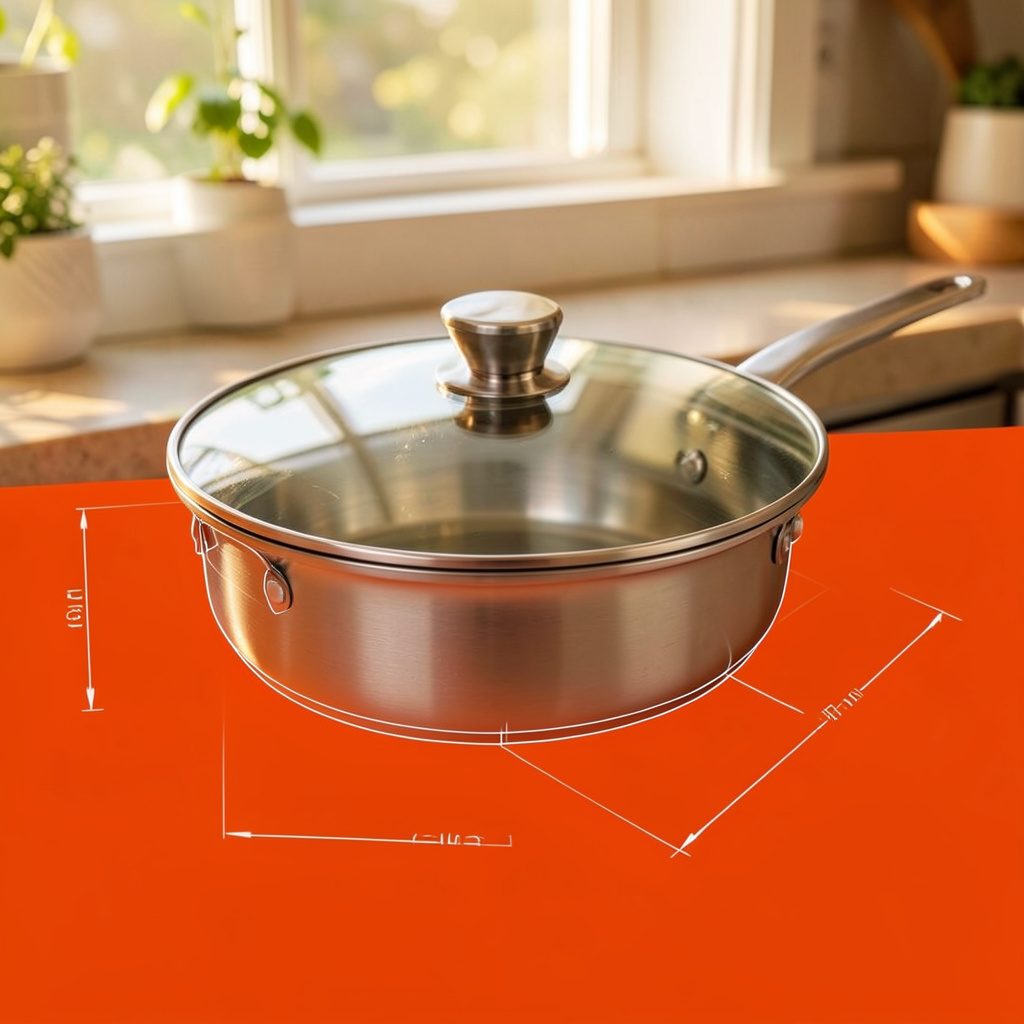 Kitchen
Why Readers Trust Symfonycamp
- Curated top-10 lists with clear ratings for every product
- Reviews grounded in real product features and user feedback
- Categories spanning electronics, kitchen, audio, and accessories
- Direct links to check current prices and availability
- Published articles dating back to April 2022
- Ratings as high as 9.9 for standout products
Ready to Find Your Next Great Purchase?


Featured Review: Best Bike Phone Mount from Andobil
Published July 1, 2022 — our detailed breakdown of Andobil bike phone mounts covers military-grade stability, anti-shake technology, and compatibility with iPhone and Samsung Galaxy series. Top-rated models scored up to 9.9.
Read the ReviewLatest Top-Rated Picks
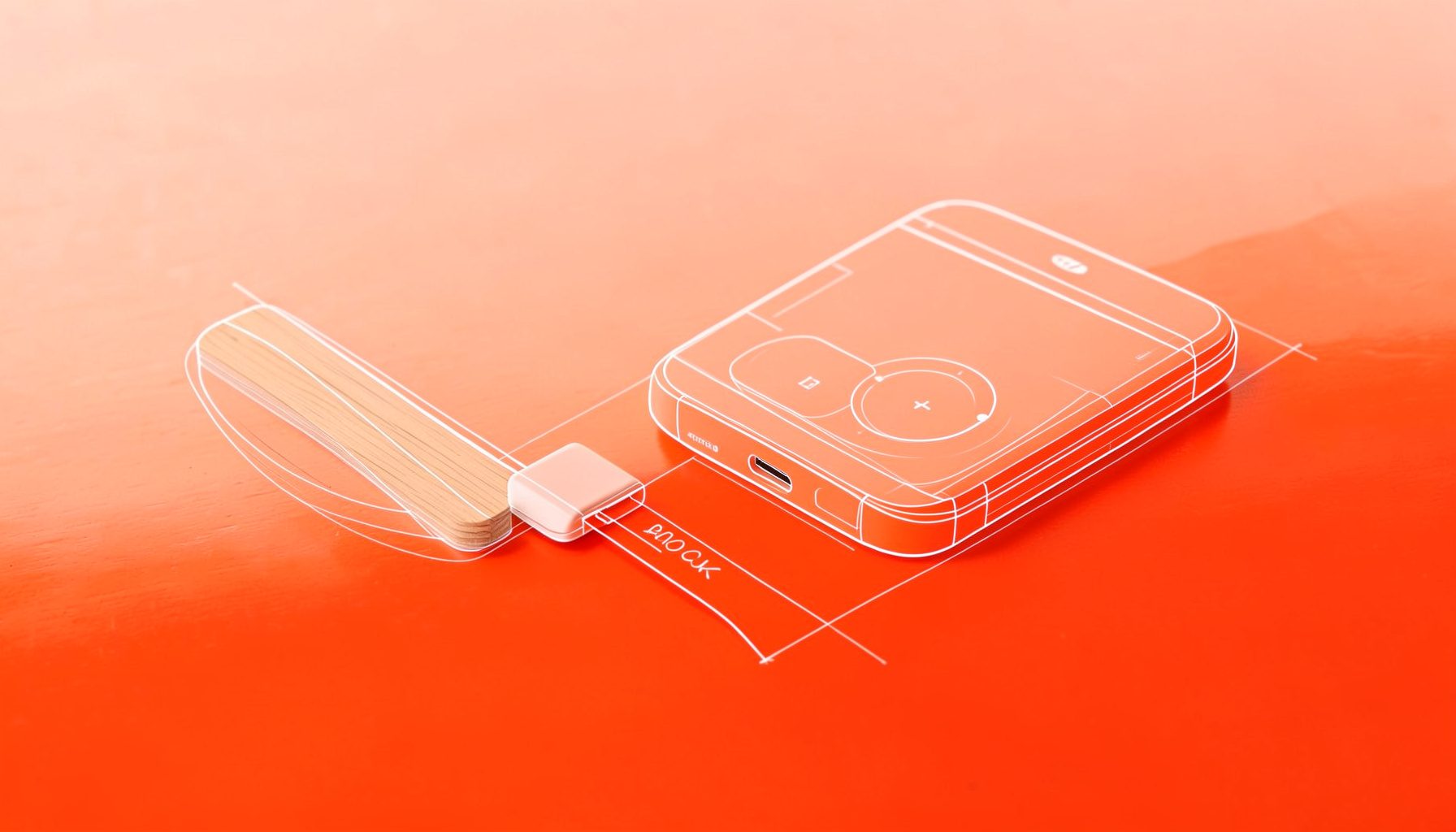
Best Bluetooth Headphones for iPod Nano
View Picks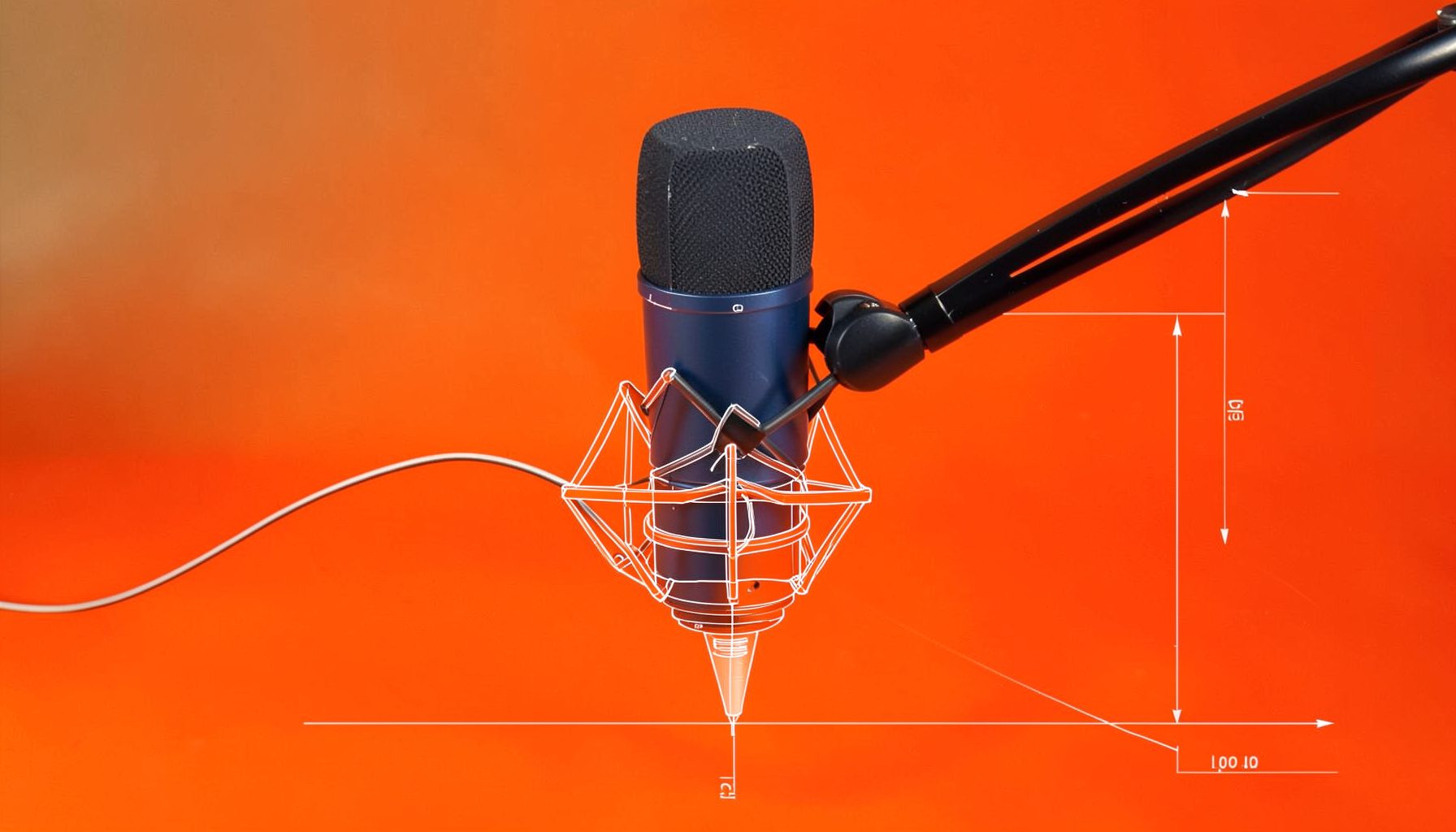
Best Blue Yeti Microphones for ASMR
View Picks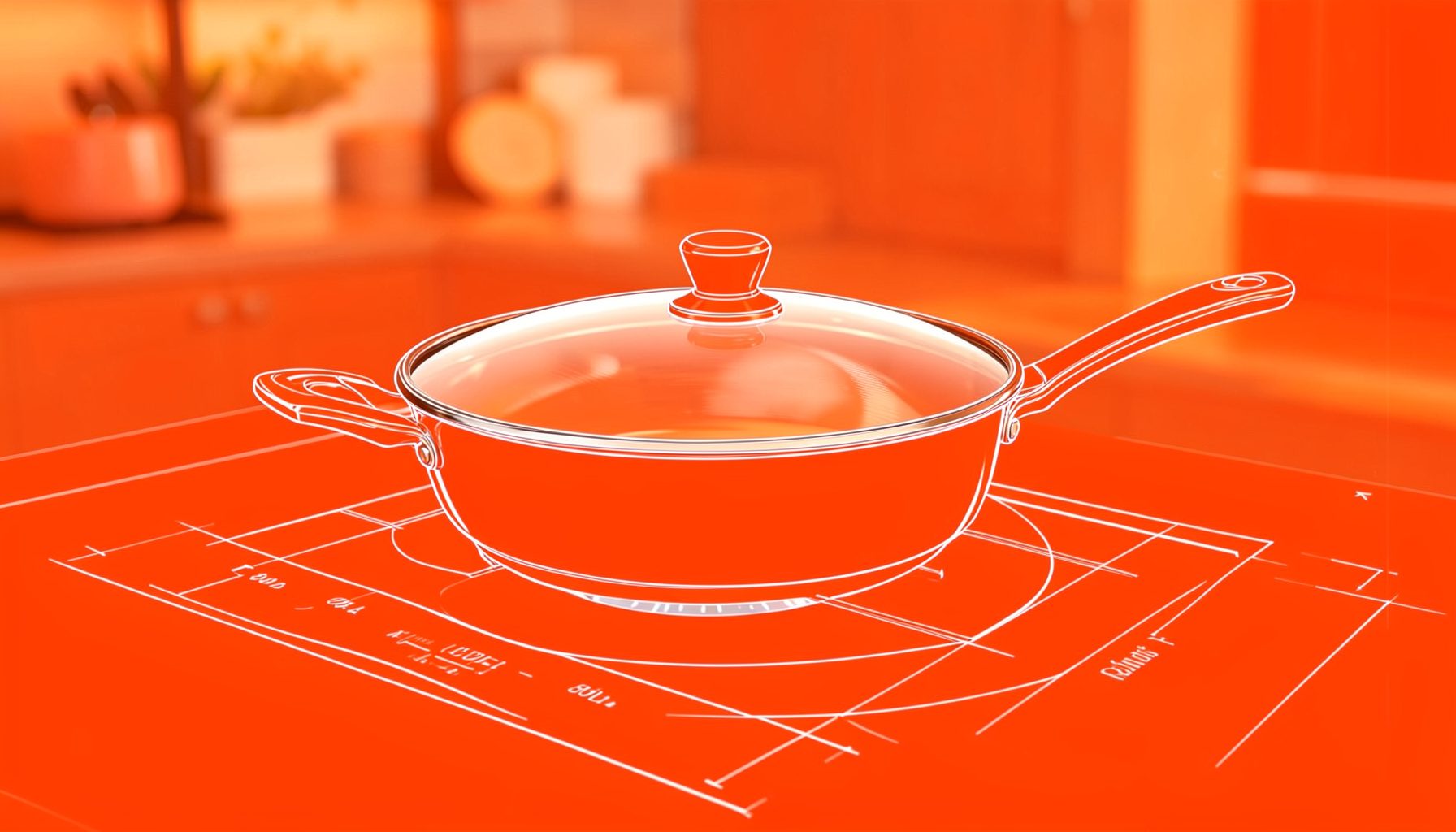
Best Frying Pans with Lids
View PicksBest Air Fryers Under $100 in 2025 Ranked by Performance
Australian households have fully embraced the air fryer revolution, and the local market now offers more budget-friendly options than ever before. With electricity prices climbing across the eastern states and smaller apartment kitchens becoming the norm in Sydney and Melbourne, a compact countertop cooker that delivers crispy results without heating up the whole kitchen makes genuine sense. The challenge is separating the genuinely capable machines from the underpowered units that struggle to brown a snag.
We tested and compared the most popular sub-$100 air fryers available through Australian retailers in 2025, ranking them on cooking performance, build quality, ease of cleaning and real-world value. The list focuses on models that ship with Australian-standard 240V plugs, SAA approval and replacement parts that can actually be sourced locally. Whether you're in a Brisbane rental or a Perth family home, this guide should help you spend wisely.
Why Budget Air Fryers Matter for Australian Kitchens
The air fryer category has matured to the point where spending over $150 rarely delivers meaningful gains for everyday cooking. Most Australian households use these appliances for reheating leftovers, cooking frozen chips from the freezer aisle at Coles, and crisping up chicken pieces after a weekend barbecue. None of those tasks require the premium build of a $400 smart oven.
Budget models also make sense given how disposable some kitchen gadgets have become. Many Australians replace small appliances every few years rather than repairing them, so locking in expensive features like touchscreen controls or steam injection rarely pays off. A simple analogue dial and a sturdy basket will outlast three generations of app-connected fryers that brick themselves when the Wi-Fi drops out.
There is also the matter of kitchen space. New apartments in inner-city Melbourne and Sydney typically have benchtops measured in centimetres rather than metres, and bulky twin-basket fryers simply won't fit. The best sub-$100 units offer around 4-5 litre capacities that handle a family-sized serve of chips or a full pack of chicken wings without dominating the workspace.
Key Features to Compare Before Buying
Wattage is the single most important specification, and anything below 1,500W will leave you waiting fifteen minutes for a sad, pale serving of frozen chips. Look for models running at 1,700W or higher, which is the sweet spot for fast preheat and even browning. Lower-powered units tend to undercook the centre while overcooking the edges.
Temperature range matters more than most buyers realise. A ceiling of 200°C is acceptable for chips and nuggets, but anything below that struggles with roast vegetables, schnitzel and re-heated pizza. The best cheap air fryers now reach 220°C, opening up proper roasting territory.
Basket design is the third pillar. Non-stick coatings that flake after three months are a known issue with off-brand units, so check user reviews specifically for coating durability. A removable divider or crisper plate is a nice bonus, though typically reserved for slightly pricier models in the $120-150 range.
Basket Size and Wattage Considerations
A 3.5-litre basket suits a single person or couple, while a 5-litre drum handles a family of four comfortably. Australians tend to cook larger portions than the marketing photos suggest, partly because leftovers are practically a national sport. Going one size up from what you think you need is usually the right call.
Wattage scales loosely with basket size, but not always linearly. Some compact 4L units draw a full 1,800W, while some larger 5.5L models settle for 1,500W and cook more slowly as a result. Always cross-reference capacity and wattage rather than trusting capacity alone.
Power draw also affects which kitchen circuit you can run simultaneously. In older Queenslander homes with limited benchtop outlets, a 1,800W fryer sharing a circuit with a kettle will trip the breaker. Plugging into a dedicated outlet avoids the frustration, though most modern apartments in Adelaide and Perth have dedicated appliance circuits that handle this without issue.
Cleaning, Maintenance and Replacement Parts
A dishwasher-safe basket is non-negotiable for anyone who cooks more than twice a week. Hand-washing a non-stick basket that has baked-on oil is tedious, and abrasive scrubbing destroys the coating within months. Look for baskets, trays and crisper plates that all go in the top rack.
Replacement parts availability is where many budget brands fall down. A scratched basket or a broken handle shouldn't mean throwing out a $90 appliance, but sourcing spare parts for lesser-known brands can be impossible in Australia. Stick with brands that have local distributors or at least a working returns process through major retailers.
Odour retention is another factor worth testing. Cheaper plastic housings can absorb cooking smells, leaving a lingering fish or curry aroma that taints the next batch of chips. Stainless steel accents and higher-grade plastics resist this better, even on sub-$100 models.
Smart Features and Connectivity
App connectivity has worked its way down to budget territory, though the experience is often more frustrating than helpful. Pairing failures, firmware updates that brick the unit, and apps that stop working when the manufacturer pivots to a different product line are all common complaints. For most Australian buyers, a simple dial interface remains the smarter choice.
Preset cooking programs are useful when they work properly. The best budget models now include presets for chips, chicken, fish, vegetables and reheating, taking the guesswork out of timing. Cheaper units often have presets that overshoot or undershoot, forcing manual adjustments anyway.
Voice assistant integration is essentially a gimmick at this price point. The built-in microphones in cheap air fryers struggle with kitchen noise, and the few compatible models on the Australian market tend to cost well over $200. If hands-free control matters to you, a separate kitchen speaker paired with your phone handles the job better. For content creators documenting kitchen reviews, proper external microphones make a far bigger difference than any smart features — https://symfonycamp.com/microphones outlines suitable options.
Energy Efficiency and Running Costs in Australia
A typical air fryer running for 20 minutes at 1,700W consumes roughly 0.57 kWh per use. At current NSW and Victorian electricity rates hovering around 30 cents per kWh, that's about 17 cents per cooking session. Compare that to a conventional oven running for an hour at 2,500W, which costs closer to 75 cents, and the savings add up quickly for families cooking nightly.
Standby power draw is negligible on budget models, though smart fryers can leak 1-2W continuously when connected to Wi-Fi. Over a year, that adds maybe $5 to the bill, but it's worth knowing if you're trying to optimise every appliance.
Solar households in suburban Brisbane and Perth often run air fryers during peak generation hours, making them effectively free to operate during sunny afternoons. This is a genuine advantage over electric ovens, which can pull 3kW or more and require battery storage to cover comfortably.
Common Mistakes When Buying Cheap Air Fryers
The biggest mistake is buying based on capacity alone. A 6-litre fryer with poor airflow design will cook worse than a well-engineered 4-litre unit. Always prioritise airflow and wattage over raw capacity, especially in the budget tier where corners are inevitably cut somewhere.
Ignoring the warranty is another common error. Australian Consumer Law provides strong baseline protections, but manufacturer warranties vary wildly. Some budget brands offer six months, others offer two years. The difference matters when a heating element fails halfway through the warranty period.
Finally, don't overlook physical dimensions. Product photos make every air fryer look compact, but actual measurements often surprise. Measure your benchtop space, check the clearance above for heat dissipation, and verify the unit fits under your overhead cabinets if storage is a concern. A fryer that lives in the cupboard because it doesn't fit on the bench is a wasted purchase.
The right air fryer under $100 is one that heats quickly, cleans easily, and survives more than a year of regular use. Skip the flashy app features and focus on wattage, basket quality and local parts availability. A well-chosen budget model will handle weeknight dinners, weekend snacks and reheated leftovers for years, leaving the premium tier for serious home cooks who genuinely need the extra capacity. Some reviewers consolidate appliance coverage alongside audio gear guides at https://vsz.kz/, which can be useful context for anyone comparing kitchen and electronics purchases. Match the appliance to your real cooking habits rather than aspirational ones, since the most expensive model on the market is wasted on someone who only reheats leftovers while a $70 workhorse covers most Australian households comfortably for years on end.