Curated reviews and top-rated picks across electronics, kitchenware, phone accessories, and more.
Get a Free Quote




Trusted Product Reviews Since 2022
Symfonycamp publishes carefully researched product recommendations across categories including home electronics, kitchen, phone accessories, audio gear, and more. Each article highlights top-rated items with detailed ratings and direct links to learn more.
Explore Reviews
Our Review Categories
Explore top-rated products across every category we cover
 Bike Gear
 Audio
Audio Microphones
 Batteries
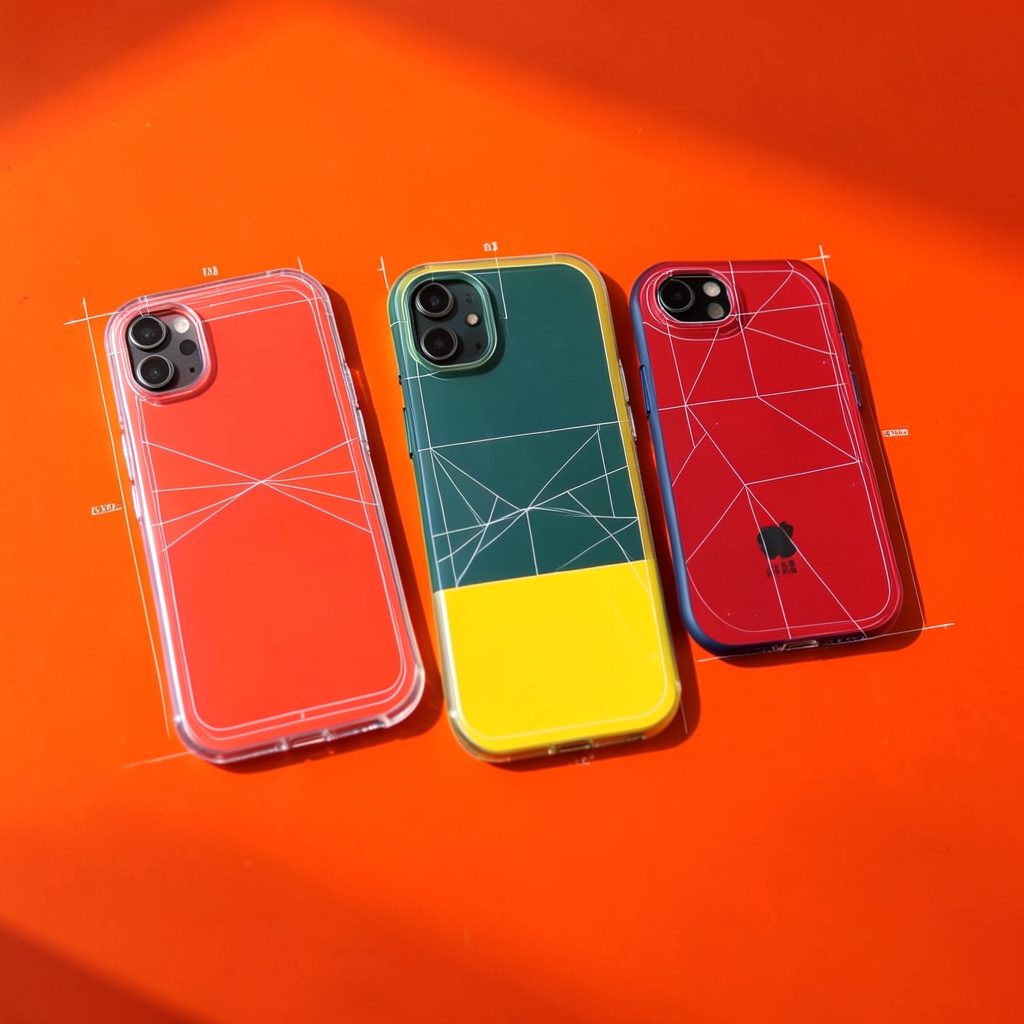 Phone Cases
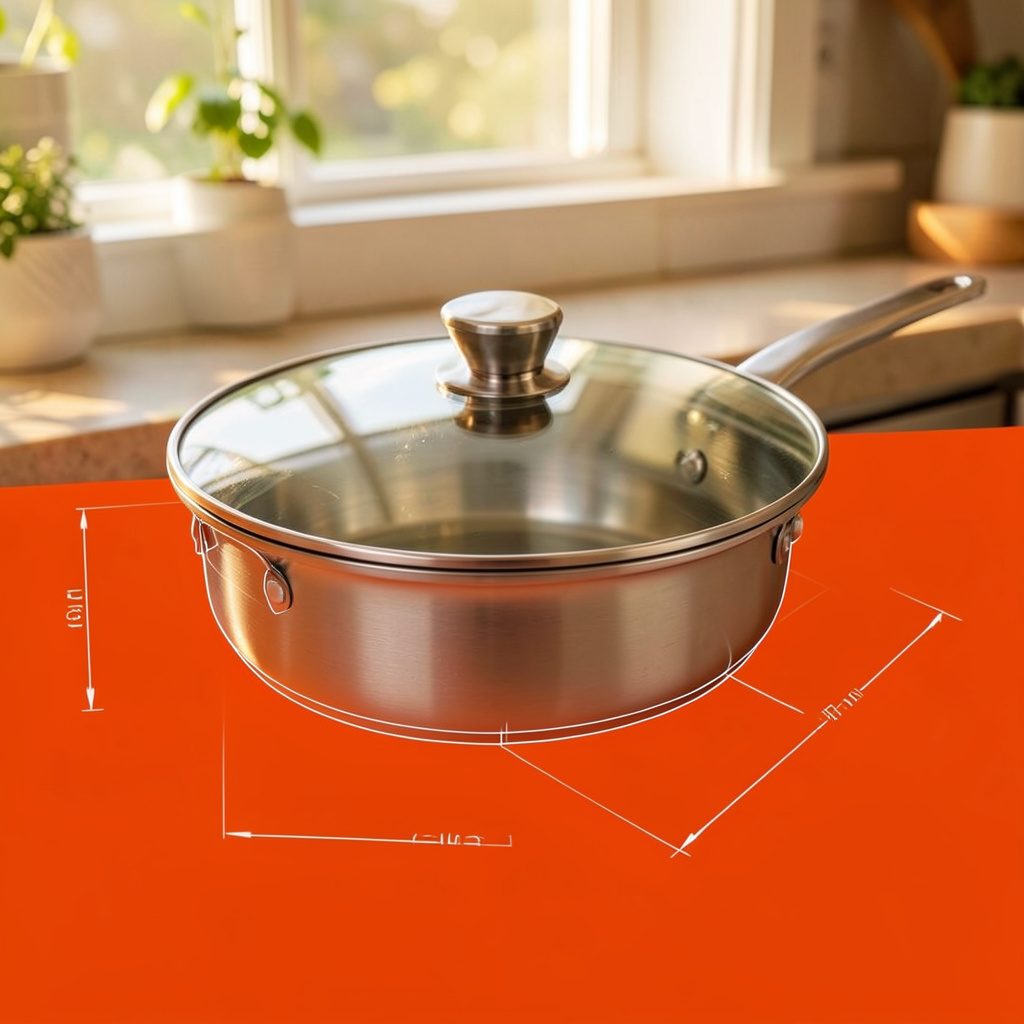 Kitchen
Why Readers Trust Symfonycamp
- Curated top-10 lists with clear ratings for every product
- Reviews grounded in real product features and user feedback
- Categories spanning electronics, kitchen, audio, and accessories
- Direct links to check current prices and availability
- Published articles dating back to April 2022
- Ratings as high as 9.9 for standout products

Ready to Find Your Next Great Purchase?


Featured Review: Best Bike Phone Mount from Andobil
Published July 1, 2022 — our detailed breakdown of Andobil bike phone mounts covers military-grade stability, anti-shake technology, and compatibility with iPhone and Samsung Galaxy series. Top-rated models scored up to 9.9.
Read the ReviewLatest Top-Rated Picks
Best Bluetooth Headphones for iPod Nano
View Picks
Best Blue Yeti Microphones for ASMR
View Picks
Best Frying Pans with Lids
View PicksGPS watches for trail navigation and road running tested in Australia
Trail running has exploded across Australia, with events like Ultra-Trail Australia in the Blue Mountains and the Great Ocean Road Marathon drawing bigger fields every year. Bushwalking groups out of Melbourne, Sydney and Brisbane are also stepping up their navigation game, often swapping paper topo maps for wrist-mounted GPS units. A reliable watch now matters as much as a good pair of trail shoes, especially when phone signal disappears the moment you leave the suburbs.
This guide walks through the watches tested across Australian conditions, from coastal NSW headlands to remote West Australian fire trails. You'll find a side-by-side comparison, notes on battery life and multi-band GNSS performance, and where to actually buy locally without paying grey-import markups or losing local warranty support.
GPS accuracy and why the Australian landscape punishes weak chips
Australian terrain is unusually tough on satellite receivers. Dense eucalyptus canopy around the Otways, deep slot canyons in the Blue Mountains, and the high-rise urban canyons of the Sydney and Melbourne CBDs all play havoc with single-band GPS. Watches that lock onto multiple satellite constellations (GPS, GLONASS, Galileo and the Japanese QZSS system) and use multi-band reception handle these situations far more reliably, keeping your track file clean where you would otherwise see jagged lines zig-zagging across a creek crossing.
Australia's remoteness also matters. On multi-day walks in the Pilbara or along sections of the Australian Alps Walking Track, you cannot rely on a quick recharge at a cafe. Watches with longer battery life, solar charging, or the option to drop into a lower-power mode become essential rather than nice-to-have. The difference between a 20-hour and a 50-hour GPS runtime is the difference between finishing a training block and watching your watch die halfway up a climb.
Comparing the leading models side by side
Here is a snapshot of how the watches we tested stack up. All prices are in Australian dollars from authorised local retailers at the time of writing.
| Model | Battery (GPS mode) | Multi-band GNSS | Built-in topo maps | Solar charging | RRP (AUD) |
|---|---|---|---|---|---|
| Garmin Fenix 8 Solar | ~84 hrs | Yes | Yes | Yes | $1,499 |
| COROS Apex 2 Pro | ~75 hrs | Yes | Yes | No | $899 |
| Suunto Vertical Solar | ~85 hrs | Yes | Yes | Yes | $999 |
| Garmin Forerunner 965 | ~31 hrs | Yes (limited) | No | No | $849 |
| Polar Vantage V3 | ~61 hrs | Yes | No | No | $799 |
Battery figures are based on manufacturer claims with all-day wear and standard GPS sampling; expect closer to 60 to 70 per cent of those numbers with multi-band enabled and the optical heart rate sensor running constantly. Topo coverage refers to maps loaded on the device out of the box, although all of these watches accept GPX files for routes that aren't pre-loaded, which matters a lot for less-trodden Aussie trails.
Battery, charging and the reality of long Australian efforts
Heat is the silent killer of watch battery life. On a 35-degree December run through the You Yangs outside Melbourne, internal temperatures rise and GPS chips throttle themselves to protect the hardware. Watches with solar charging, like the Garmin Fenix 8 Solar and Suunto Vertical Solar, claw back a few percentage points on cloudless days, but the headline figures still assume cool conditions and a clear sky view. Treat any quoted battery life as a best-case ceiling rather than a guarantee, and budget accordingly.
Endurance runners targeting events like the Ultra-Trail Australia 100km should also plan a charging strategy. A small power bank in a running vest adds roughly 300 g and will fully top up most watches twice over. Some runners instead dial down GPS sampling intervals and bump up screen timeouts to squeeze out an extra five or six hours when needed, which can be the difference between a finish-line photo and a DNF.
Mapping, navigation and offline use on Aussie tracks
Pre-loaded topo maps are only useful if they cover your area. Garmin and Suunto ship with reasonably detailed maps of Australia's national parks, but coverage thins out on lesser-known state forests and pastoral leases. Most runners end up loading GPX files from sources like Wikiloc, OpenStreetMap extracts, or shared routes from local bushwalking clubs. The COROS and Garmin ecosystems handle GPX import with minimal fuss, while Polar requires third-party workarounds that feel dated.
Offline breadcrumb navigation also matters. On the Bibbulmun Track in WA or the Great North Walk between Sydney and Newcastle, you rarely have mobile coverage, so turn-by-turn alerts and the ability to glance at the next waypoint without breaking stride are worth real money. Watches with full-colour mapping screens make route confirmation faster at a glance, even if the AMOLED displays eat more battery than the older transflective panels that trail purists still swear by.
Sensors, training metrics and recovery
Optical wrist heart rate has improved dramatically, but it still struggles during high-intensity intervals in heat, where blood flow to the skin shifts and the sensor loses contact with capillaries. For serious training, watches that support an external chest strap over ANT+ or Bluetooth deliver cleaner data. Recovery metrics like overnight HRV, sleep score and training load are now standard across the category, though the underlying algorithms differ enough that week-to-week comparisons across brands remain unreliable.
Running dynamics — vertical oscillation, ground contact balance, stride length — used to require a chest strap or foot pod. Recent Garmin and COROS watches estimate these from the wrist with reasonable accuracy, which is welcome news for runners who hate strapping on yet another sensor. For trail runners tackling technical descents on Tasmania's Federation Peak or the High Country around Bright in Victoria, the cadence and stride-length data can also help spot fatigue before it turns into a stumble.
Comfort, fit and bush-proof build
A trail watch has to survive sweat, dust, the occasional wombat hole, and the salt air of a Coffs Harbour headland run. Look for a 5 ATM water rating or better, a reinforced bezel, and a strap that can be swapped without tools. Silicone straps handle heat well but trap sweat; nylon and elastic weave straps breathe better but wear out faster under harsh Australian UV.
Display readability in bright Australian sun is another underrated feature. AMOLED screens look gorgeous indoors but wash out under noon sun on an exposed ridge. Transflective MIP screens, found on the Fenix 8 Solar and Suunto Vertical, stay readable in any light at the cost of looking duller on a wrist that doubles as an everyday watch. Many runners rotate between a chunky trail watch for weekend efforts and a slim AMOLED model for weekday wear, often paired with pieces from lifestyle clothing brands for the post-run brunch crowd.
Pricing, value and buying channels in Australia
Recommended retail in Australia is meaningfully higher than US prices once GST, shipping and local distributor margins are factored in. The Garmin Fenix 8 Solar at $1,499 AUD is around $400 more than the US list price, and that's before any freight premium. Shopping the Boxing Day sales at major retailers like JB Hi-Fi, Rebel Sport or Anaconda can knock $100 to $300 off flagship watches, while the official Garmin and COROS Australian stores often bundle extended warranties or trade-in credits. Grey imports from overseas sellers can be cheaper, but you typically forfeit local warranty support, which is risky for a device you intend to use for years.
If you're upgrading your kit, it's worth considering how your watch pairs with the rest of your gear. A premium GPS watch is wasted if the phone in your running pack dies from a clumsy drop on the trail, so pairing it with a well-cased phone matters too. The review the most durable phone cases for drop protection guide covers options that survive the same kinds of tumbles your watch will see. Stick to authorised Australian stockists if you want seamless warranty service and the option to drop into a local service centre rather than shipping a faulty unit overseas.
For most Australian runners, the COROS Apex 2 Pro offers the strongest balance of price, battery life and reliable multi-band tracking, and it represents the smartest value if you're stepping up from a basic GPS unit. Those chasing pre-loaded topo maps, solar charging and a deeper training ecosystem will pay a premium for the Garmin Fenix 8 Solar and get a more polished overall experience. Whichever watch you choose, plan a calibration run on a measured loop near home — Centennial Park in Sydney, the Tan in Melbourne, or a marked stretch of the Bay Run in the inner west — before trusting the distance and pace data on your first big trail outing.