Curated reviews and top-rated picks across electronics, kitchenware, phone accessories, and more.
Get a Free Quote



Trusted Product Reviews Since 2022
Symfonycamp publishes carefully researched product recommendations across categories including home electronics, kitchen, phone accessories, audio gear, and more. Each article highlights top-rated items with detailed ratings and direct links to learn more.
Explore Reviews
Our Review Categories
Explore top-rated products across every category we cover
 Bike Gear
 Audio
Audio Microphones
 Batteries
 Phone Cases
 Kitchen
Why Readers Trust Symfonycamp
- Curated top-10 lists with clear ratings for every product
- Reviews grounded in real product features and user feedback
- Categories spanning electronics, kitchen, audio, and accessories
- Direct links to check current prices and availability
- Published articles dating back to April 2022
- Ratings as high as 9.9 for standout products
Ready to Find Your Next Great Purchase?

Featured Review: Best Bike Phone Mount from Andobil
Published July 1, 2022 — our detailed breakdown of Andobil bike phone mounts covers military-grade stability, anti-shake technology, and compatibility with iPhone and Samsung Galaxy series. Top-rated models scored up to 9.9.
Read the ReviewLatest Top-Rated Picks
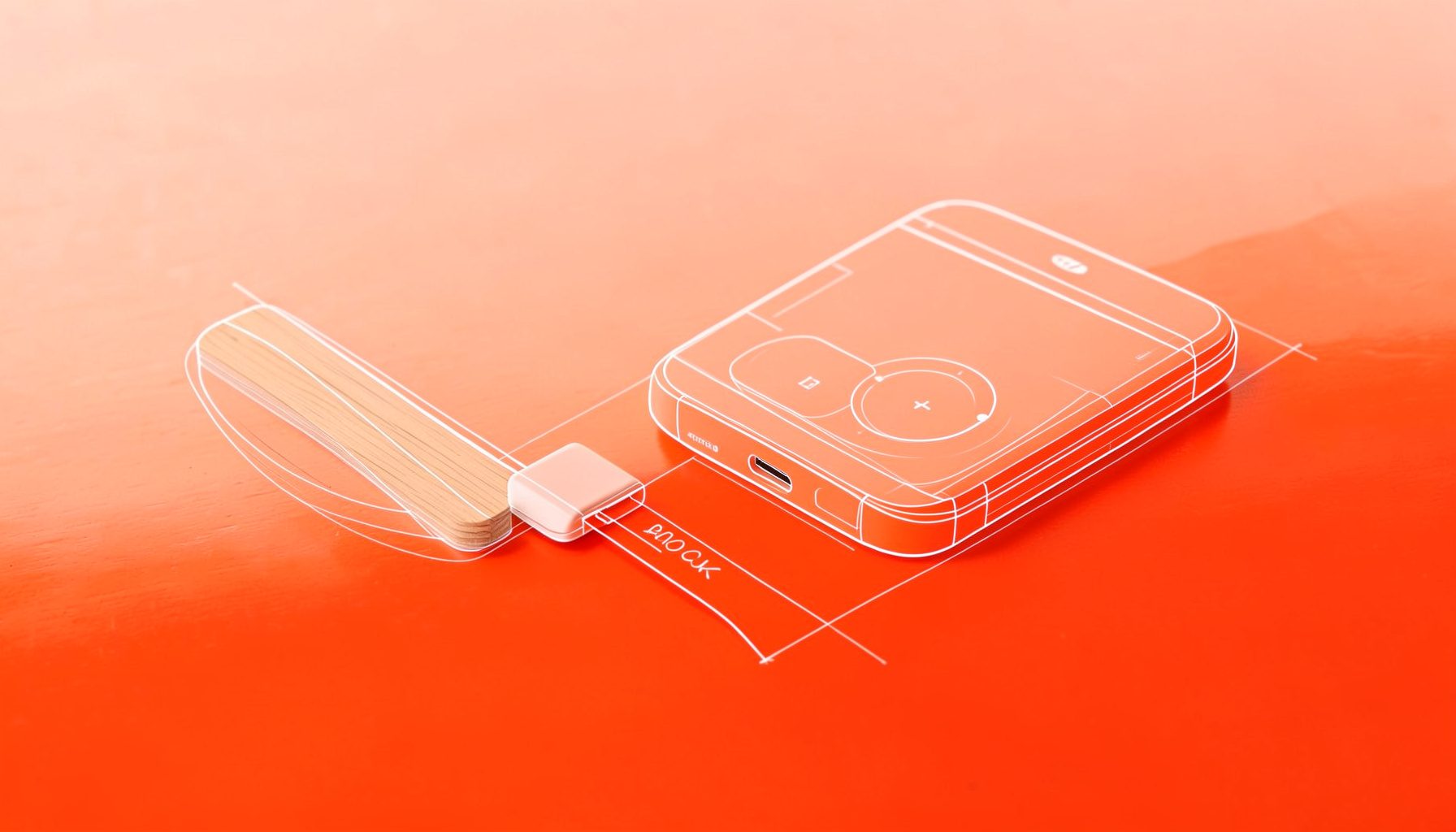
Best Bluetooth Headphones for iPod Nano
View Picks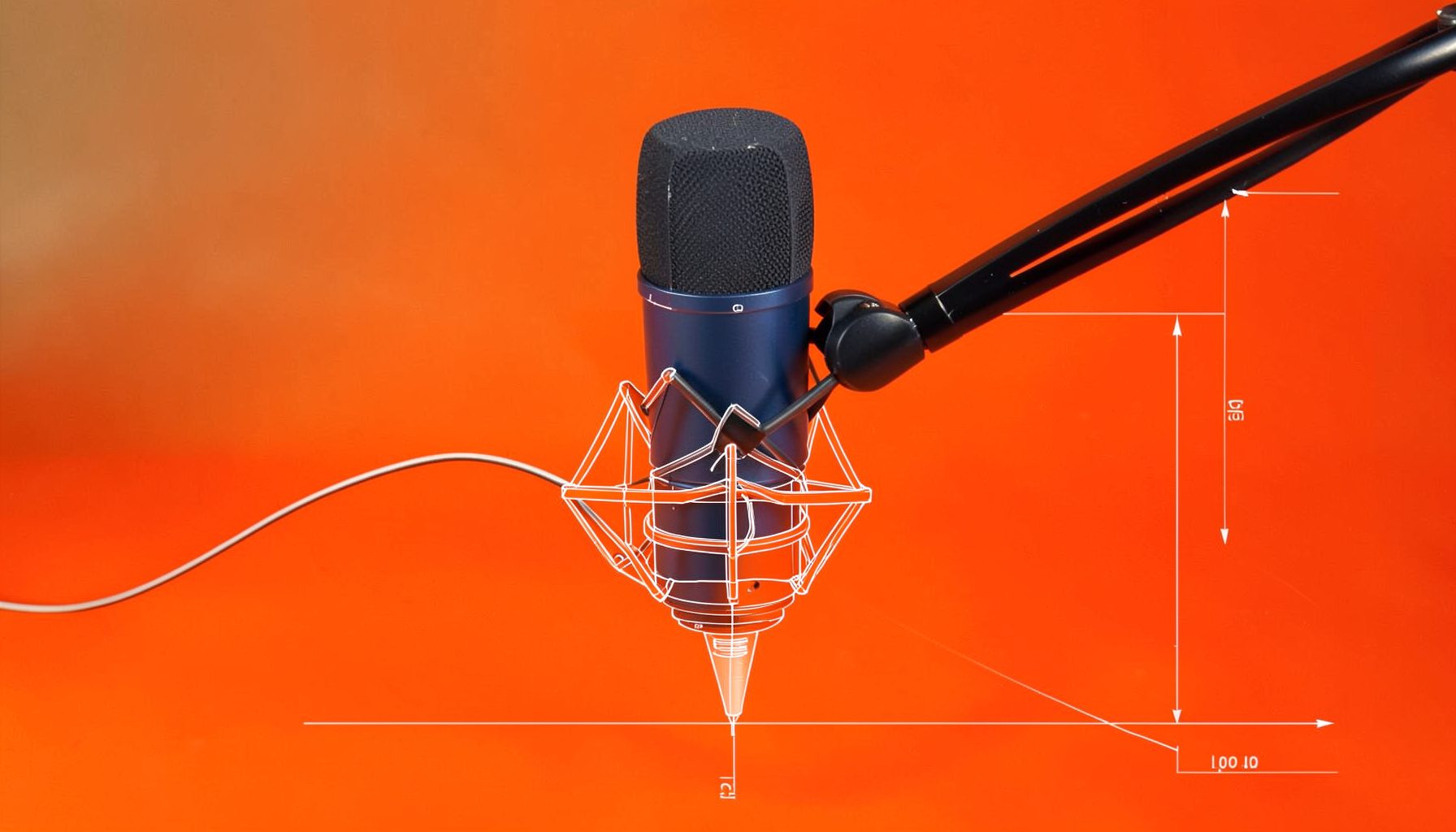
Best Blue Yeti Microphones for ASMR
View Picks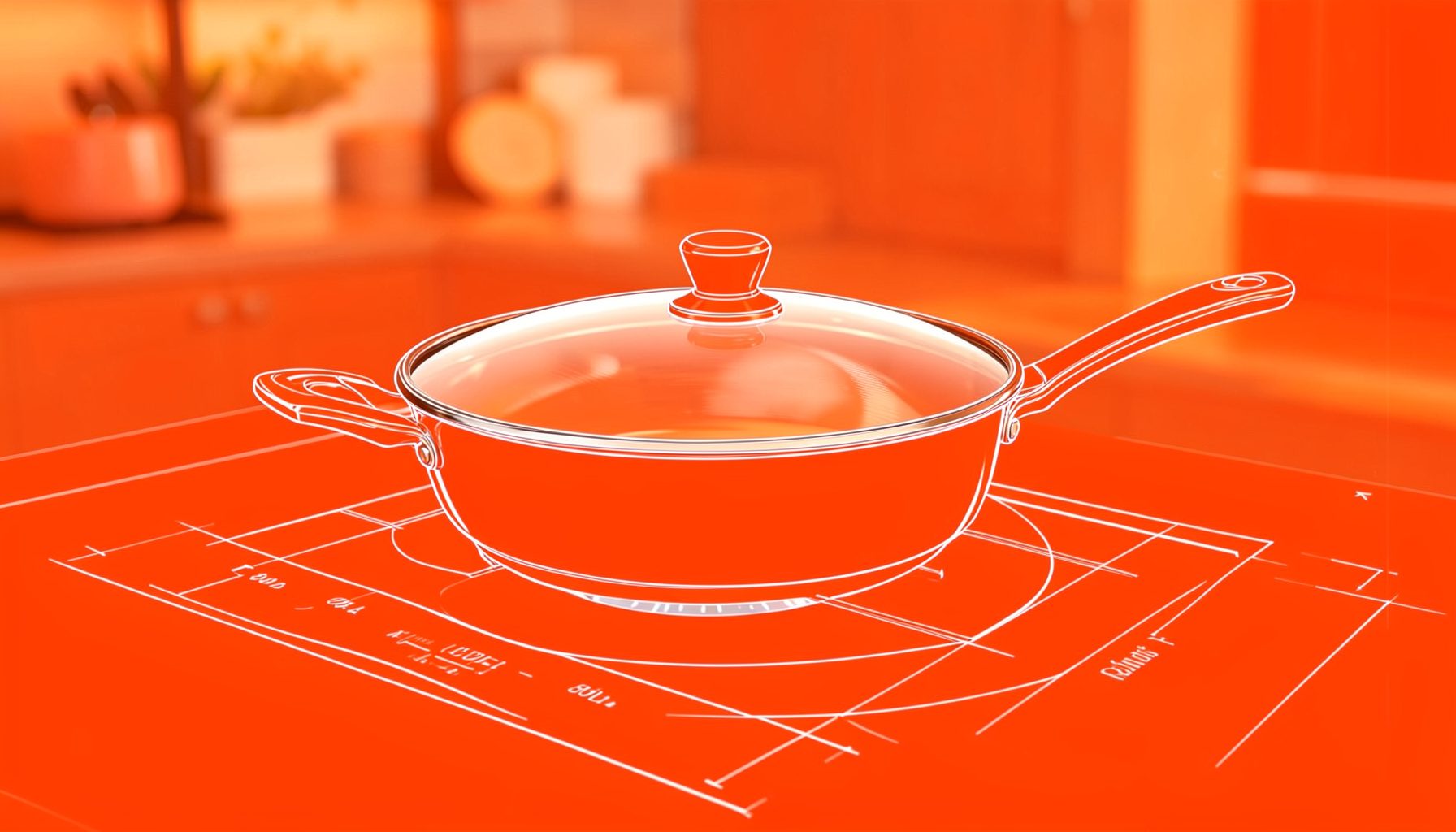
Best Frying Pans with Lids
View PicksBest portable air conditioners to cool small Australian flats this summer
When January hits Brisbane and the mercury climbs past 35 degrees, a ceiling fan alone rarely cuts it in a one-bedroom unit. Many Australian renters in places like Sydney, Melbourne and Adelaide rely on compact cooling units that can be wheeled into a spare corner, plugged into a standard power point and vented through a sliding window. Portable air conditioners offer a practical answer for anyone locked into a strata building that bans fixed split systems, or for share houses where the budget cannot stretch to a ducted installation.
Choosing the right unit is less about brand loyalty and more about matching cooling capacity to the floor plan, the local humidity and how much the unit will add to the quarterly Origin or AGL bill. Noise matters too, because open-plan living in a small flat means the bedroom and the lounge often share the same four walls. The following guide walks through what to look for, the features that genuinely help during a heatwave, and a side-by-side look at models suited to compact Australian homes.
Why portable air conditioners make sense for small Australian flats
Apartment living in Australian capital cities comes with constraints that permanent cooling solutions cannot always meet. Body corporate rules in many Sydney and Melbourne apartment blocks prohibit wall-mounted splits on the exterior facade, and landlords are often reluctant to approve modifications that require drilling through brick or render. A self-contained unit sidesteps these issues, since the only permanent change is a window kit that can be removed at the end of the lease.
Portability also makes sense for households that move every twelve months. Tenants in inner-city suburbs like Surry Hills, Newtown, Brunswick or West End frequently relocate for work, and a rolling unit can simply be packed into the removalist truck. Compared with evaporative coolers, which struggle once humidity climbs above sixty percent, a refrigerant-based portable unit keeps performing through the muggy evenings common along the New South Wales and Queensland coasts.
Understanding BTU ratings for Aussie room sizes
Cooling capacity is measured in British Thermal Units, and getting this number wrong is the most common reason people end up with a unit that never quite cools the bedroom. For a standard 20-square-metre living area in a brick-veneer apartment, a 7,000 to 9,000 BTU model usually performs well. Smaller studios of around 12 to 15 square metres can manage with 5,000 to 6,000 BTU, which also keeps the running cost down.
It helps to remember that the published rating assumes a closed room with average insulation. Australian apartments built in the 1990s and 2000s often have single-glazed windows and limited roof insulation, so erring on the higher side of the range is wise. Kitchens that face west will need extra capacity too, since the afternoon sun through unrendered brickwork can push the effective load well above what the floor area alone suggests.
Noise levels and sleep comfort during heatwaves
The decibel rating of a portable unit is worth scrutinising carefully, because anything above 55 dB on high will compete with a quiet conversation and disturb light sleepers. Models that drop into the low 40s on sleep mode are far easier to live with in a small flat where the only bedroom shares a wall with the lounge.
Summer in Adelaide and Perth often brings a run of nights above 25 degrees, which makes bedroom cooling non-negotiable. Placing the unit on a rubber mat reduces vibration transferred through timber floors, and angling the exhaust hose slightly upward toward the window helps the compressor run more quietly. Parents in particular tend to prioritise units with a dedicated night mode, since the gentle fan ramp-down is less likely to wake a toddler during a 2 a.m. heat spike.
Energy efficiency and running costs on the Aussie grid
Electricity prices in Australia remain some of the highest in the developed world, and a portable unit can easily add $80 to $150 to a summer bill if used for eight hours a day. The star rating label tells part of the story, but the real-world figure depends on the EER (Energy Efficiency Ratio) and how often the compressor cycles.
Choosing a unit with an inverter-driven compressor makes a noticeable difference over a full December-to-February season, since it ramps up and down rather than switching on and off at full power. Pairing the appliance with a smart plug that tracks consumption through the AGL or Origin app helps households spot when usage is creeping up. For a small flat, aiming for an EER above 3.0 is a sensible target that balances upfront cost against long-term running expenses.
Single-hose vs dual-hose designs in sticky conditions
The single-hose design is lighter, cheaper and more common in the entry-level models stocked by local retailers. It works by drawing air from the room, cooling it, and venting the warm exhaust outside through a window kit. The trade-off is that the unit creates a slight vacuum in the room, which pulls warm air in through gaps around doors and windows.
Dual-hose models solve that problem by drawing intake air from outside, cooling it, and venting exhaust through a separate hose. The result is faster cooling and better performance during the humid stretches that hit Brisbane and the Gold Coast in late summer. The downside is bulk, since two 150-millimetre hoses need a wider window opening, and the units are heavier to move between rooms.
Smart features and app control for modern apartments
Wi-Fi connectivity has filtered down from premium splits into the portable category, letting users start the cooling cycle before they get home from work. Integration with Google Home or Alexa is useful for renters who cannot modify the wall switches, and scheduled timers help reduce waste when the unit is left running by accident. A few models also include a heat mode, which is less useful in Darwin but handy for chilly Melbourne and Hobart mornings in early spring.
App-based control is particularly handy during a heatwave, when the Bureau of Meteorology issues an extreme heat warning and the unit needs to be dialled up remotely. A practical side benefit of spending more time fiddling with phone settings in a hot apartment is that protective cases earn their keep; options like Alcatel phone cases help shield handsets from the kind of sweaty, sun-soaked handling that Australian summers deliver.
Maintenance, drainage and bushfire-season considerations
Most portable units collect condensation in an internal tank or pump it out through a continuous drain hose. Self-evaporative designs are popular in Australia because they reduce the need to empty the bucket every few hours, but they still need a wipe-down and a filter clean at least once a fortnight during heavy use. A blocked filter forces the compressor to work harder and pushes the electricity bill higher, so a quick vacuum of the mesh is time well spent.
Bushfire smoke is a reality of the Australian summer, and fine particles can clog a filter faster than usual. Households in regional areas like the Blue Mountains, the Adelaide Hills or parts of the Yarra Valley should consider swapping to a fresh filter at the start of December and keeping spares on hand. Storing the unit in a dry spot over winter, ideally in its original box or a breathable cover, prevents mould from developing inside the coils before the next heatwave arrives.
| Model | Cooling capacity | Best for | Noise level (sleep) | Approx. running cost (8 hrs/day) |
|---|---|---|---|---|
| Honeywell 9,000 BTU | 9,000 BTU | 25 m² living area | 49 dB | $0.95 |
| De'Longhi Pinguino | 7,000 BTU | 18 m² bedroom | 42 dB | $0.75 |
| Kogan 5,000 BTU | 5,000 BTU | 12 m² studio | 45 dB | $0.55 |
| Dimplex 10,000 BTU Dual Hose | 10,000 BTU | Humid climates | 51 dB | $1.10 |
| Goldair 6,000 BTU Eco | 6,000 BTU | Energy-conscious renters | 44 dB | $0.60 |
Once a shortlist is in mind, the next move is to compare current pricing at major Australian retailers such as The Good Guys, JB Hi-Fi or Bunnings, since end-of-financial-year sales often cut a few hundred dollars off the larger units. Reading a handful of recent customer reviews on ProductReview.com.au is the final filter worth applying, because feedback on long-term reliability often differs from the glossy marketing copy on the box.