Curated reviews and top-rated picks across electronics, kitchenware, phone accessories, and more.
Get a Free Quote



Trusted Product Reviews Since 2022
Symfonycamp publishes carefully researched product recommendations across categories including home electronics, kitchen, phone accessories, audio gear, and more. Each article highlights top-rated items with detailed ratings and direct links to learn more.
Explore Reviews
Our Review Categories
Explore top-rated products across every category we cover
 Bike Gear
 Audio
Audio Microphones
 Batteries
 Phone Cases
 Kitchen
Why Readers Trust Symfonycamp
- Curated top-10 lists with clear ratings for every product
- Reviews grounded in real product features and user feedback
- Categories spanning electronics, kitchen, audio, and accessories
- Direct links to check current prices and availability
- Published articles dating back to April 2022
- Ratings as high as 9.9 for standout products

Ready to Find Your Next Great Purchase?


Featured Review: Best Bike Phone Mount from Andobil
Published July 1, 2022 — our detailed breakdown of Andobil bike phone mounts covers military-grade stability, anti-shake technology, and compatibility with iPhone and Samsung Galaxy series. Top-rated models scored up to 9.9.
Read the ReviewLatest Top-Rated Picks
Best Bluetooth Headphones for iPod Nano
View Picks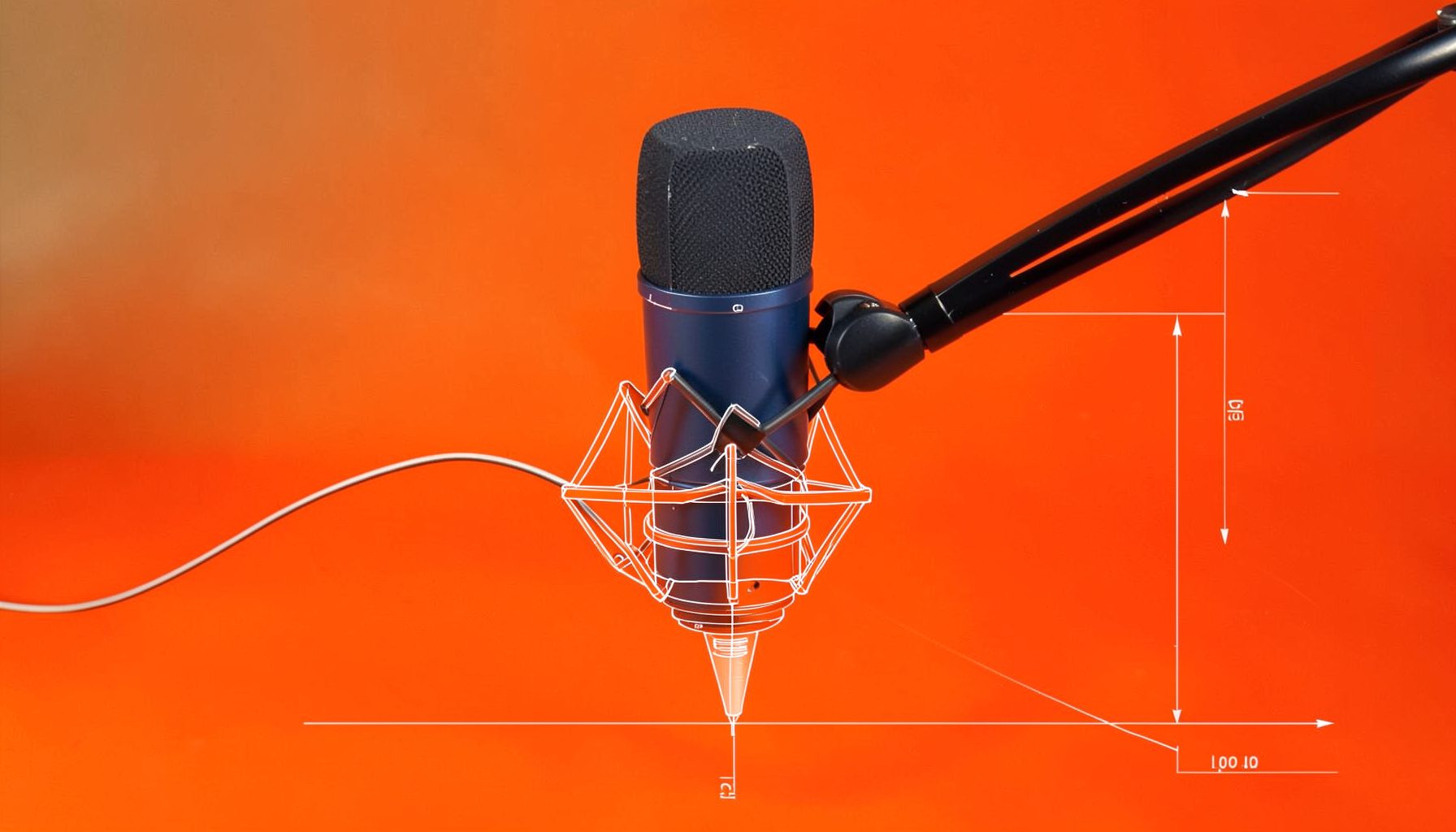
Best Blue Yeti Microphones for ASMR
View Picks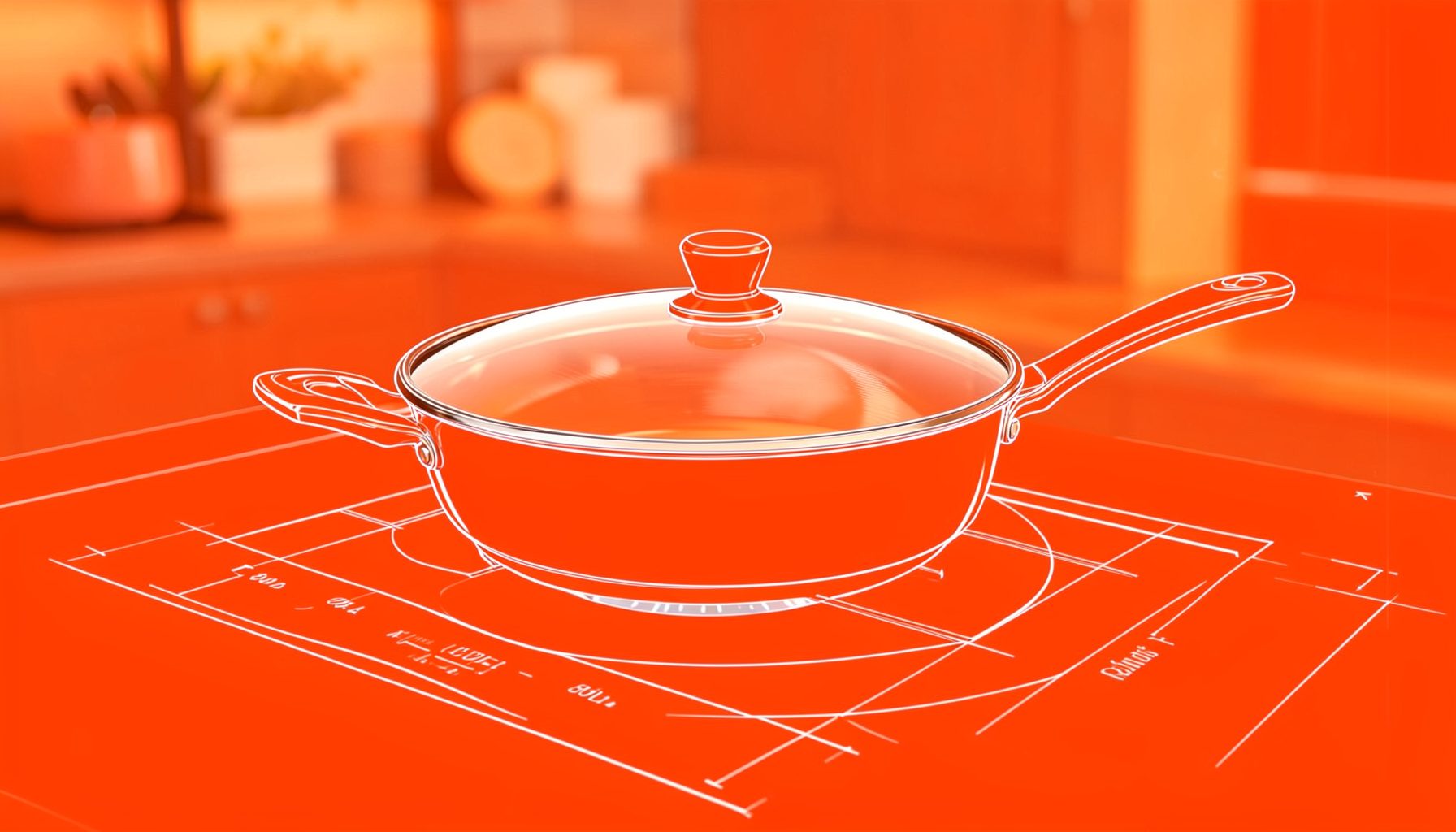
Best Frying Pans with Lids
View PicksBest Smart Plugs That Work With Alexa and Google Home
Smart plugs are among the simplest ways to add voice control to ordinary appliances. Plug in a lamp, fan, coffee machine or charger, connect the socket to Wi-Fi, and you can switch it on from an app or through a spoken command. For Australian households, the right model must also suit local power standards, safety requirements and the realities of patchy Wi-Fi in larger homes.
The best options work smoothly with Amazon Alexa and Google Home, respond quickly, and remain reliable after the novelty wears off. Useful extras include energy monitoring, schedules, away mode, physical buttons and support for Matter, the newer smart-home standard designed to make devices easier to use across platforms.
Australian shoppers should look for a Type I plug rated for the local 230–240V supply, generally with a 10A maximum load. A compact design is valuable in crowded powerboards, while thermal protection and proper Australian certification matter more than a long list of app features. Imported US plugs and uncertified marketplace listings are poor choices for everyday use.
This guide focuses on smart sockets that make sense for homes in Sydney, Melbourne, Brisbane, Perth and beyond. Whether the goal is automating a bedside lamp, controlling a pedestal fan during a hot Queensland night or reducing standby power in a rental, the shortlist below covers the features that have the greatest practical value.
What Makes A Smart Plug Worth Buying
A reliable connection is the foundation. Most affordable smart plugs use 2.4GHz Wi-Fi, which travels further through walls than 5GHz and is still common in connected-home products. Setup should be straightforward in the manufacturer’s app, with clear instructions for linking the plug to Alexa or Google Home. Dual-band routers are fine, but the plug itself may still need the 2.4GHz network during setup.
Voice commands should work naturally, such as “Alexa, turn on the desk lamp” or “Hey Google, switch off the heater.” The best models also support routines, allowing several devices to respond together. A Google Home household may prefer a plug that appears reliably in the Home app, while Alexa users often value quick discovery and dependable control from Echo speakers.
Physical control is important when the internet is down or someone wants to switch an appliance without reaching for a phone. Look for a tactile button and a clear status light that can be disabled at night. A manual override also makes the plug more useful in a child’s bedroom, home office or living area where guests may not have access to the app.
Strong Choices For Everyday Australian Homes
TP-Link’s Tapo P110 and related Australian models are compelling choices for shoppers who want energy monitoring as well as remote switching. The Tapo app shows approximate consumption and can help identify appliances that quietly draw power overnight. Its scheduling tools suit lamps, aquarium equipment and chargers, while Alexa and Google Assistant integration covers the main voice platforms.
Energy readings are most useful when treated as guidance rather than laboratory-grade measurement. They can still reveal that an old television, gaming setup or second fridge is using more electricity than expected. In a Melbourne home with electric heating or a Brisbane house running fans for much of summer, that visibility can make a smart plug pay for itself through better habits rather than dramatic savings.
Meross smart plugs appeal to households that want broad compatibility and a small footprint. Selected Australian versions support Alexa and Google Home, and some newer models add Matter for easier cross-platform control. Because product variations differ by country, check the exact Australian listing before ordering rather than assuming that every Meross plug has the same power rating or features.
Arlec Grid Connect and Brilliant Smart products are also familiar options in the Australian market. They may suit buyers who already use the relevant local ecosystem or want products stocked through Australian retailers. These brands can be convenient for matching smart switches, globes and plugs in one app, though the experience may vary more between models than it does within a tightly controlled range.
Safety, Load Ratings And Appliance Compatibility
A smart plug is suitable for lamps, televisions, fans, routers, chargers and other moderate household loads. It is less suitable for high-draw appliances unless the manufacturer explicitly approves that use. Portable heaters, kettles, irons, toasters and air conditioners can approach or exceed a 10A rating, and heating appliances deserve particular caution because they generate substantial heat when unattended.
Never use a smart plug to automate an appliance that could create a hazard if left running. A fan with a damaged cable, an iron, a heat lamp or a device with a mechanical fault should be repaired or replaced rather than made “smart.” If a plug becomes hot, smells unusual or trips the circuit, disconnect it immediately and stop using it.
Australian compliance is worth checking before price becomes the deciding factor. Look for an RCM mark and an Australian or New Zealand power plug, plus a clear maximum load specification. Be cautious with cheap imported devices offered through overseas sellers, especially when the listing uses a travel adaptor or provides vague information about certification.
Physical size affects safety and convenience too. A bulky plug can block the second outlet on a wall plate or cover neighbouring spaces on a powerboard. Compact models are better for bedside tables and entertainment units, but there must still be enough room for ventilation and easy access to the reset button.
Matter, Routines And Better Home Automation
Matter can reduce dependence on a single brand’s cloud service and make it easier to share devices between Alexa, Google Home and other compatible platforms. A Matter-enabled plug may require a compatible hub or controller, so buyers should check whether their Echo, Google Nest device or phone supports the required setup process. Matter is useful, but a well-supported conventional Wi-Fi plug can still be the better value choice.
Schedules are often more useful than voice control. A plug can turn a lamp on at sunset, switch off a charger after bedtime or run a coffee machine at a set time. Away mode can make lights appear occupied while you are travelling, although it should not be treated as a complete home-security system.
Smart plugs can also support a wider cleaning routine. For example, an automated schedule for a robot vacuum becomes easier to manage when the dock or a related appliance is controlled in the same smart-home environment. Households comparing cleaning equipment may find this guide to robot vacuums for pet hair useful when planning a routine for shedding dogs or cats.
Avoid creating complicated chains of automations that depend on several cloud services. If the internet drops during a storm in regional New South Wales or a router restarts after a power interruption, simple schedules and local manual control are more dependable than elaborate sequences. Give important devices a clear physical label so everyone in the home knows what each plug controls.
Choosing The Right Plug For Your Budget
Entry-level smart plugs are usually enough for a lamp, fan or charger. Spend more when energy monitoring, Matter support, better construction or a smaller body solves a specific problem. Paying extra for a feature that will never be used is less valuable than choosing a certified model from a retailer with clear Australian warranty support.
Prices can shift significantly during end-of-financial-year sales, Black Friday and major marketplace events. It is worth comparing the final delivered cost rather than the headline price, since shipping can change the value of a low-cost listing. Shoppers who regularly order online can also check free shipping offers before purchasing several plugs at once.
Buying a two-pack or four-pack often makes sense when automating a living room, bedroom or home office. Keep the devices in the same app where possible, because managing one plug through Tapo, another through Meross and a third through a retailer-specific platform can become unnecessarily confusing. Compatibility with Alexa and Google Home should be confirmed for the exact model number, not just the brand.
For renters, a plug is a useful way to gain automation without changing wiring or asking a landlord to approve permanent electrical work. Homeowners may eventually prefer smart wall switches for a cleaner appearance, but plugs remain easier to remove, replace and reposition. That flexibility is particularly useful in older Australian houses with limited power points.
A sensible final choice balances platform compatibility, certification, physical size and the appliance being controlled. Energy monitoring is valuable for discovering waste, Matter is helpful for multi-platform homes, and a dependable manual button is essential in daily use. Before placing an order, check the exact model’s RCM status, 10A rating, Australian plug type and compatibility with the Alexa or Google Home account already used in the household.