Curated reviews and top-rated picks across electronics, kitchenware, phone accessories, and more.
Get a Free Quote


Trusted Product Reviews Since 2022
Symfonycamp publishes carefully researched product recommendations across categories including home electronics, kitchen, phone accessories, audio gear, and more. Each article highlights top-rated items with detailed ratings and direct links to learn more.
Explore Reviews
Our Review Categories
Explore top-rated products across every category we cover
 Bike Gear
 Audio
Audio Microphones
 Batteries
 Phone Cases
 Kitchen
Why Readers Trust Symfonycamp
- Curated top-10 lists with clear ratings for every product
- Reviews grounded in real product features and user feedback
- Categories spanning electronics, kitchen, audio, and accessories
- Direct links to check current prices and availability
- Published articles dating back to April 2022
- Ratings as high as 9.9 for standout products
Ready to Find Your Next Great Purchase?

Featured Review: Best Bike Phone Mount from Andobil
Published July 1, 2022 — our detailed breakdown of Andobil bike phone mounts covers military-grade stability, anti-shake technology, and compatibility with iPhone and Samsung Galaxy series. Top-rated models scored up to 9.9.
Read the ReviewLatest Top-Rated Picks
Best Bluetooth Headphones for iPod Nano
View Picks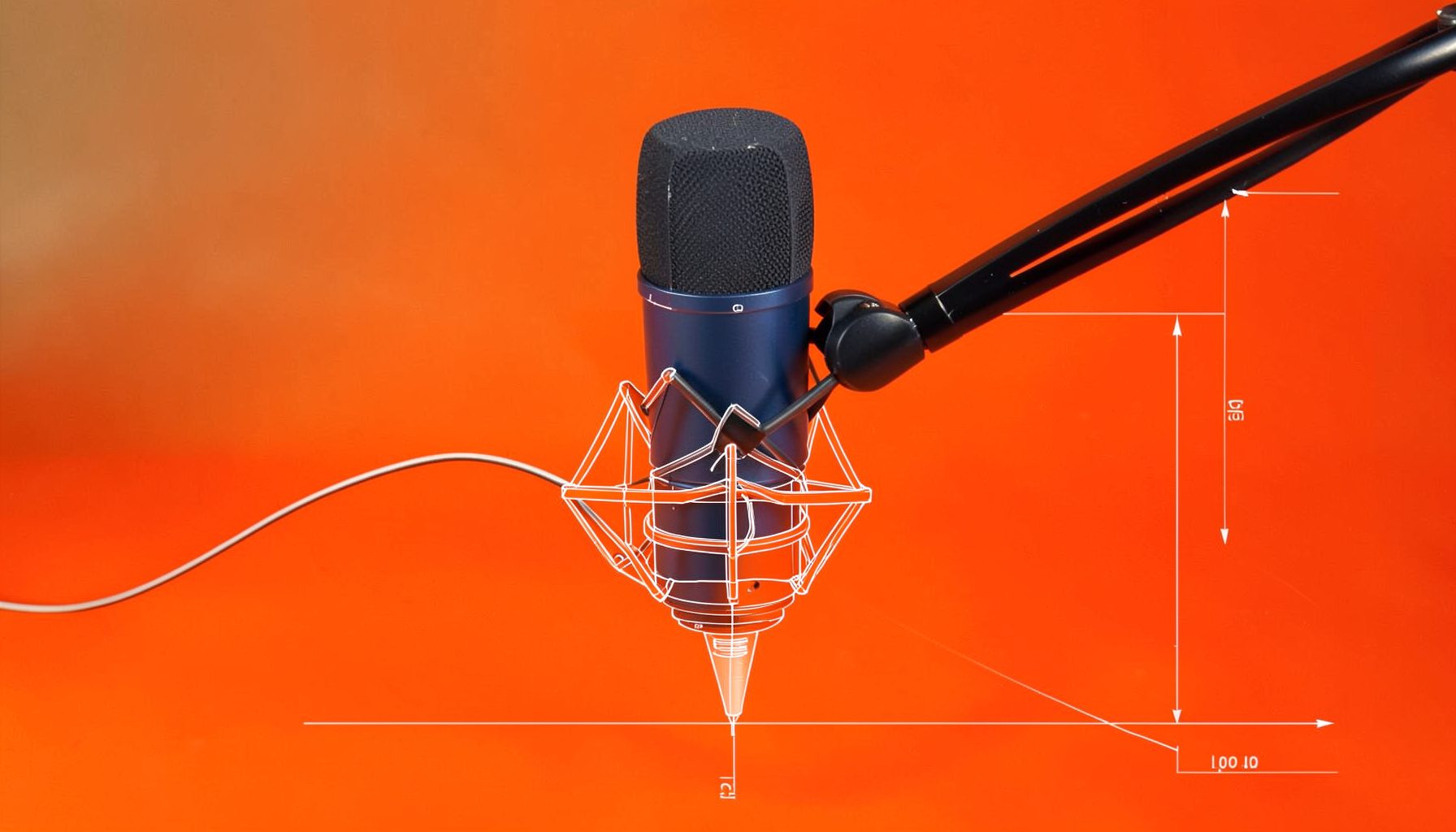
Best Blue Yeti Microphones for ASMR
View Picks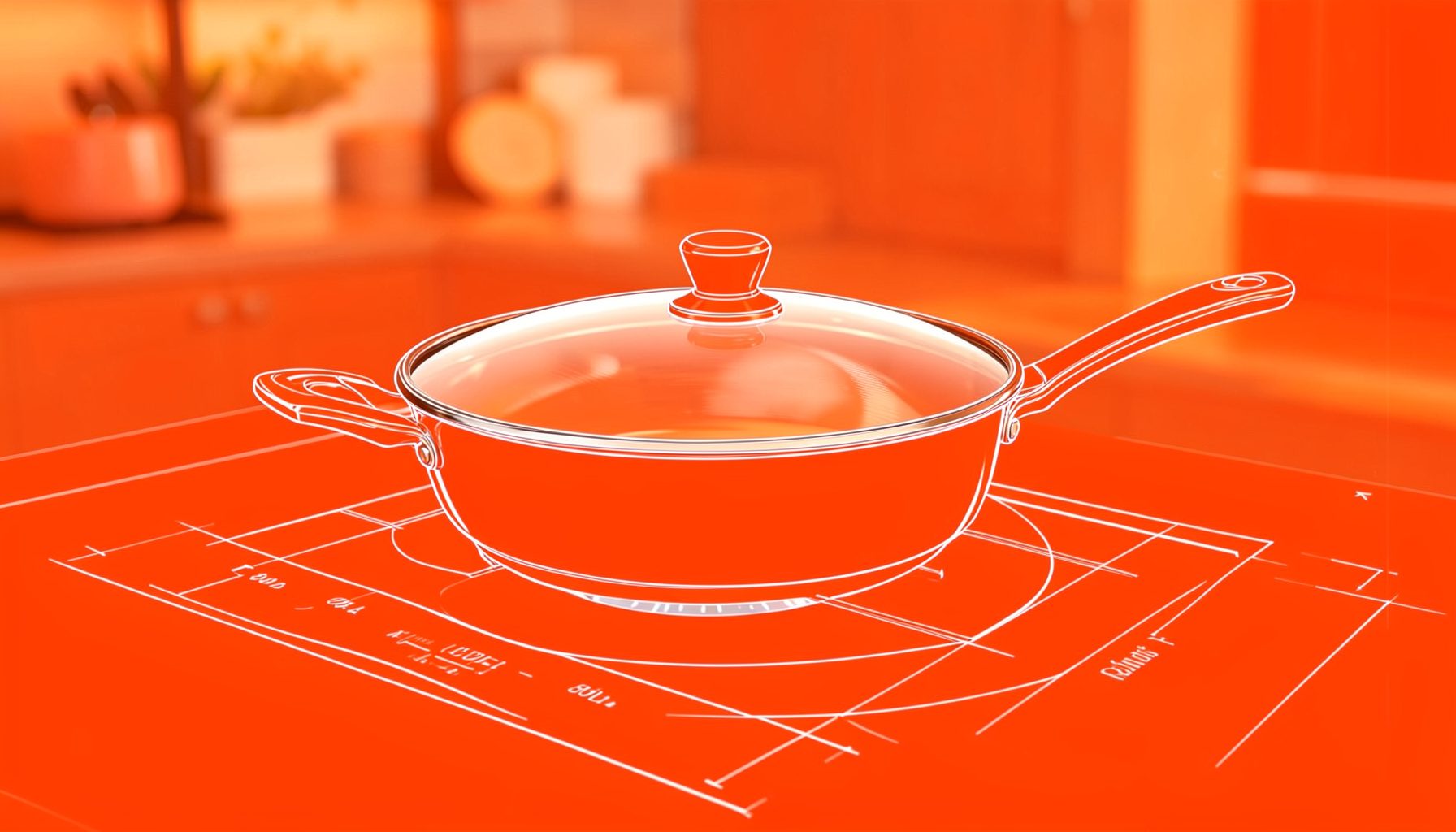
Best Frying Pans with Lids
View PicksBest Under-Cabinet Lighting Kits For Kitchen Task Areas
Good kitchen lighting has to do more than brighten a room. It should illuminate chopping boards, sinks and cooktops without placing your head or hands between the light source and the work surface. The best under-cabinet lighting kits create an even layer of task light while keeping glare, heat and visible wiring under control.
Australian kitchens vary widely, from compact apartment galley kitchens in Sydney and Melbourne to large open-plan spaces in Brisbane, Perth and Adelaide. Cabinet finishes, rental restrictions, ceiling lights and natural daylight all affect which setup works best. A rechargeable bar may suit a renter, while a hardwired or plug-in system can provide stronger and more consistent illumination in a busy family kitchen.
This guide focuses on practical factors including brightness, colour temperature, installation, controls, power use and local compatibility. It also considers common Australian purchasing realities, such as 240-volt mains power, Australian plug types, humid coastal conditions and the need for licensed electrical work when a kit connects directly to household wiring.
What Makes A Good Under-Cabinet Light
The most important performance measure is useful light on the benchtop rather than the advertised LED count. A continuous light bar or diffuser usually produces fewer dark patches than several widely spaced puck lights. Look for a broad beam, a frosted cover and enough length to illuminate the main preparation zone instead of only a small spot near the wall.
Brightness is commonly given in lumens. Around 300 to 600 lumens per metre can be suitable for general kitchen task lighting, although dark stone, timber splashbacks and deep cabinets may benefit from more output. Dimming is valuable because full brightness is helpful when slicing vegetables, while a lower setting is more comfortable during evening meals or late-night trips to the kitchen.
Colour temperature also affects how the room feels. Neutral white between roughly 3500K and 4000K tends to show food and benchtop colours clearly without the bluish appearance of cool daylight LEDs. Warm white around 2700K to 3000K can blend with pendant lights and create a softer atmosphere, but it may be less effective for detailed preparation.
Choosing Between Light Bars, Puck Lights And Strips
LED light bars are generally the easiest all-round choice. Their rigid shape is simple to align beneath a cabinet, and many include a diffuser, touch sensor or linking cable. They are particularly useful above long runs of cabinetry because several bars can be connected while keeping the illumination visually consistent.
Puck lights create distinct pools of light and can work well beneath individual cupboards, display shelves or a breakfast bar. They are less forgiving when installed too far apart, and polished stone can reveal bright circles and shadows. A strip light offers the most continuous coverage, especially along an L-shaped bench, but the adhesive backing may weaken in warm or greasy areas unless the strip is mounted in an aluminium channel.
Rechargeable models avoid cables and power adapters, making them attractive for renters and short-term upgrades. Their limitations are charging frequency, lower sustained brightness and battery degradation over time. Motion sensors can be convenient, although a sensor may activate when someone walks past the kitchen or fail to respond reliably when hands are wet.
Installation And Electrical Considerations In Australia
For a rental in Melbourne or a small Sydney apartment, a plug-in, rechargeable or battery-operated kit is usually the least disruptive option. Look for an Australian two- or three-pin plug, a properly specified low-voltage adapter and cable clips that can be removed without damaging cabinetry. A kit designed for another market may require an unsuitable adapter, and its warranty or electrical compliance may be unclear.
In Australia, household electricity is nominally 230 volts with a 50Hz supply, and products sold through reputable local channels should carry appropriate regulatory compliance markings, including the Regulatory Compliance Mark where applicable. A low-voltage kit with a certified driver is preferable to improvising connections. Any alteration to fixed wiring or installation of a new mains outlet should be handled by a licensed electrician.
Kitchen placement deserves attention in humid areas such as Brisbane, Darwin and coastal Queensland. Avoid positioning a standard indoor LED driver where it can be splashed by a sink or exposed to steam from a kettle. An IP-rated product may offer better protection, but the rating applies only to the parts specified by the manufacturer, not automatically to the plug, controller or power supply.
A clean installation also depends on the cabinet design. Measure the underside width, check for a front lip that can hide the fitting, and identify where the cable can descend without interfering with doors. If the kitchen has limited outlets, a compact setup may share a circuit with appliances, so supporting equipment should be protected appropriately; a guide to USB surge protection is useful when accessories and chargers gather near the bench.
A Sensible Buying Checklist
A good shortlist balances light quality, convenience and the realities of daily kitchen use. A product that looks impressive in a listing can be disappointing if the power lead is too short, the sensor is badly placed or replacement parts are unavailable in Australia.
Consider these points before comparing prices across Bunnings, IKEA, specialist lighting stores and online marketplaces. Wider product research guides can provide another source of general buying information, but electrical specifications should always be checked against the manufacturer’s Australian documentation.
- Measure each cabinet run and choose a bar or strip that covers the preparation area rather than stopping short of it.
- Select neutral white LEDs for chopping and cooking, or choose adjustable colour temperature if the kitchen also serves as a dining space.
- Prefer a diffuser and dimmer when the light will be visible from seated positions or reflected by glossy splashbacks.
- Check that the power supply, plug, controller and replacement accessories are available for the Australian market.
- Choose motion activation only when the sensor can be positioned away from busy walkways and bright windows.
- Use aluminium channels or mechanical clips for LED strips installed near heat, steam or grease.
- Confirm the installation method before buying, especially if the kitchen is rented or the cabinetry cannot be drilled.
Comparing Practical Kitchen Lighting Options
The right product type depends on the task area and the level of permanence required. A single rechargeable bar can solve a dark corner, while a linked plug-in system is more suitable for a full wall of cabinets. Smart lighting adds app and voice control, but it may be unnecessary if a physical switch or touch sensor is easier to reach.
Smart ecosystems can be useful where lighting scenes are already controlled through Google Home, Apple Home or Alexa. They also add setup steps and dependence on Wi-Fi or a hub. If the kitchen’s main requirement is reliable task illumination, a simple dimmable bar may offer better value than a feature-heavy kit. Buyers comparing small electronics may also find a specialist iPod accessories guide helpful when selecting compact charging and control accessories for a connected home.
| Kit type | Best suited to | Main strengths | Points to check |
|---|---|---|---|
| Plug-in LED light bars | Long benchtops and permanent homes | Even coverage, strong brightness, easy linking | Cable routing, outlet location and adapter size |
| Rechargeable light bars | Rentals and small dark zones | No electrician, minimal drilling, portable | Battery life, charging access and reduced maximum output |
| LED strip with aluminium channel | L-shaped or continuous cabinet runs | Seamless appearance and flexible sizing | Careful installation, heat management and suitable driver |
| Puck light sets | Individual cupboards and display areas | Modular placement and focused illumination | Spacing, shadows and visible hotspots |
| Smart under-cabinet systems | Connected homes and lighting scenes | App control, scheduling and colour adjustment | Wi-Fi reliability, hub requirements and higher cost |
For most Australian kitchens, a dimmable neutral-white LED bar with an Australian plug and concealed low-voltage driver is the safest starting point. Measure the longest work area, compare the kit’s total lumens and cable length, then shortlist products that can be returned locally if the beam pattern or mounting hardware does not suit the cabinets.