Curated reviews and top-rated picks across electronics, kitchenware, phone accessories, and more.
Get a Free Quote




Trusted Product Reviews Since 2022
Symfonycamp publishes carefully researched product recommendations across categories including home electronics, kitchen, phone accessories, audio gear, and more. Each article highlights top-rated items with detailed ratings and direct links to learn more.
Explore Reviews

Our Review Categories
Explore top-rated products across every category we cover
 Bike Gear
 Audio
 Microphones
 Batteries
 Phone Cases
 Kitchen
Why Readers Trust Symfonycamp
- Curated top-10 lists with clear ratings for every product
- Reviews grounded in real product features and user feedback
- Categories spanning electronics, kitchen, audio, and accessories
- Direct links to check current prices and availability
- Published articles dating back to April 2022
- Ratings as high as 9.9 for standout products

Ready to Find Your Next Great Purchase?


Featured Review: Best Bike Phone Mount from Andobil
Published July 1, 2022 — our detailed breakdown of Andobil bike phone mounts covers military-grade stability, anti-shake technology, and compatibility with iPhone and Samsung Galaxy series. Top-rated models scored up to 9.9.
Read the ReviewLatest Top-Rated Picks
Best Bluetooth Headphones for iPod Nano
View Picks
Best Blue Yeti Microphones for ASMR
View Picks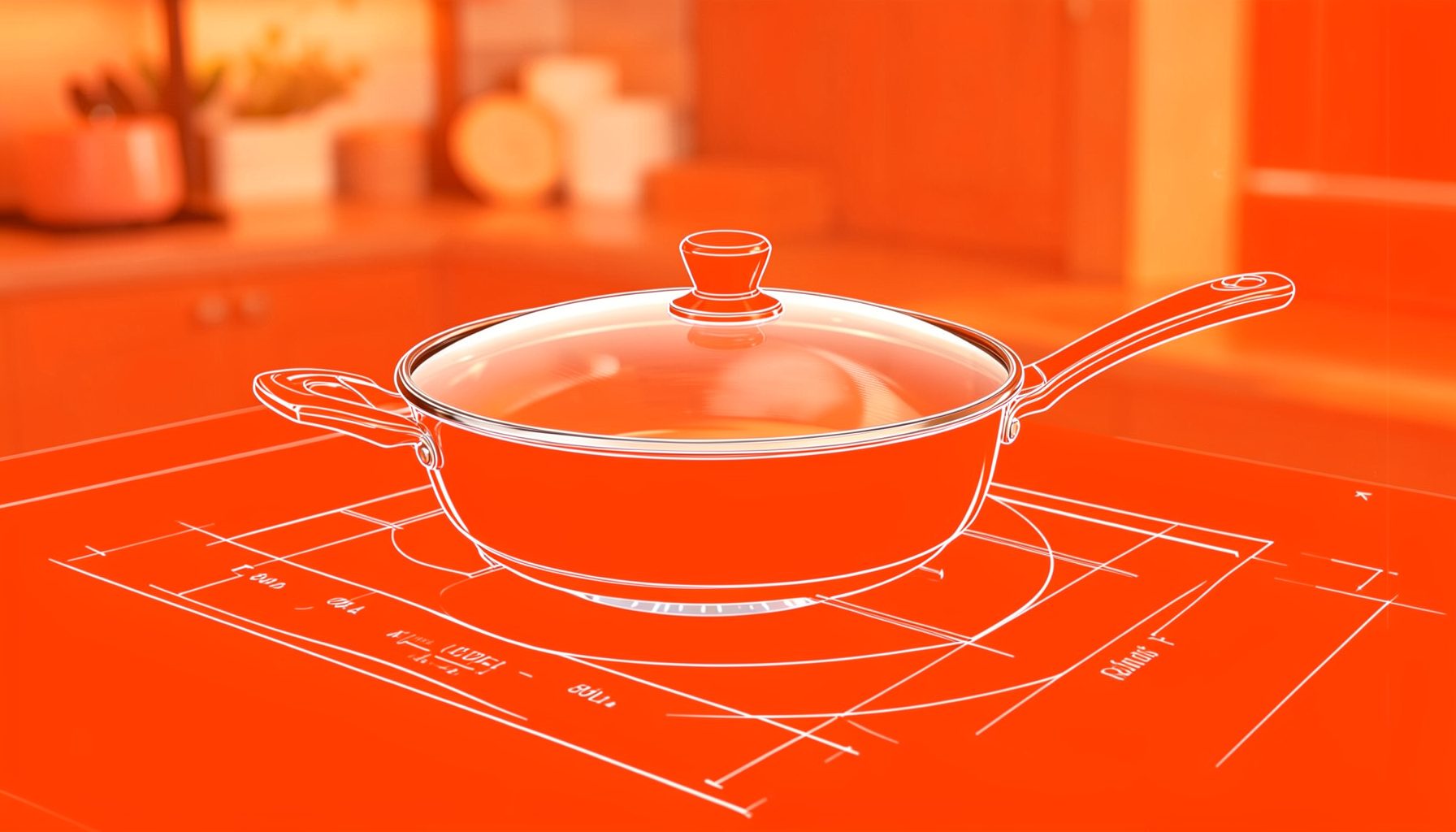
Best Frying Pans with Lids
View PicksHow to choose a carbon monoxide detector for your home
Carbon monoxide is a colourless, odourless gas produced when fuel burns incompletely. It can accumulate indoors after faults in gas water heaters, gas cooktops, wood heaters or fireplaces, and it is particularly dangerous while people sleep. A carbon monoxide detector sounds a warning alarm, giving the household time to leave and call 000; it does not repair the fault or make the air safe.
Australian homes have several familiar exposure points. Gas hot-water systems are common in Sydney, Melbourne, Brisbane, Adelaide and Perth, while solid-fuel heaters and fireplaces are familiar in Hobart, much of Victoria and Canberra. Attached garages also matter because a vehicle can raise carbon monoxide levels even with the garage door open. Generators used during outages must never run indoors or in a partly enclosed porch.
Requirements differ between states and territories. Smoke alarms are mandatory in Australian bedrooms under the National Construction Code, but carbon monoxide alarms apply in different building types, room layouts and locations; houses, apartments, rental properties and boarding houses can have separate obligations. Confirm the local rule with the relevant housing department, council or licensed gas electrician rather than assuming one nationwide requirement.
A sound choice balances detection, placement, testing and replacement cost. Compare alarm volume, visible alerts, test access, Australian certification, expiry dates and battery accessibility. Online product listings are useful for checking current prices and stock in the Australian market, but a low-priced unit with hard-to-reach batteries or a short service life can be expensive over its working life.
Compare detector types and power options
| Detector format | Best suited to | Main strengths | Main limitations |
|---|---|---|---|
| Sealed battery | Households wanting low maintenance | No routine battery changes; simple installation | The complete unit must be replaced at its expiry date |
| Replaceable battery | Renters, flats and properties with easy battery access | Batteries are inexpensive and widely available | Batteries can fail or run down and require regular testing |
| Mains powered with battery backup | Homes with suitable fixed wiring | Continuous power with protection during short outages | Professional installation is required and the backup still needs testing |
Most household detectors use an electrochemical sensor, although semiconductor and metal-oxide models are also available. These technologies differ in sensitivity, stability, power use and susceptibility to interference, so two alarms with similar-looking cases may not perform alike. Check the specification for the sensor type and stated alarm threshold rather than choosing on price or appearance alone.
For most Australian households, a sealed battery unit is the simplest option. It avoids routine battery replacements and works without hard wiring, while a mains-powered model with battery backup suits a home where an electrician can install it neatly. Replaceable batteries can be practical in flats or rentals, provided the household will test them and keep spares available.
Whichever power format you choose, insist on a test button, a clear end-of-life signal and an alarm loud enough to wake sleeping adults. Smartphone alerts can be useful for extra supervision, but they must never replace the local siren. A fixed, correctly placed alarm remains more dependable than an app alone.
Check standards, placement and local rules
Purchase a model with evidence that it complies with the applicable Australian and New Zealand safety standard for domestic carbon monoxide alarms. Ask the supplier for the declaration or test documentation instead of relying on vague claims such as “Australian approved”, and confirm that the product is approved for its intended fixed, portable or combined use.
Follow the manual and local code. A common layout includes one alarm in every bedroom, with additional coverage in open-plan living areas and in rooms containing fuel-burning appliances, subject to the manufacturer’s placement guidance. Install on a ceiling or high wall, usually at least 300 mm from corners and away from vents, fireplaces and kitchen steam. Test each unit from another room after installation.
A carbon monoxide alarm is not a natural-gas detector: the former responds to a toxic combustion product, while the latter responds to leaking fuel gas. A combined unit can be appropriate only when its certification and placement suit both risks. For a wider household checklist, general safety guidance can provide an extra reference, but official Australian fire-service and gas-provider instructions should guide an emergency response.
Assess alerts, accuracy and service life
Accuracy and usability matter more than decorative displays. Look for a sensitive sensor, a piercing sounder, visible status lights, a one-press or self-test function and fault or end-of-life warnings. Units with voice alerts can help some users, while numeric readings may provide reassurance, but no consumer display should be used to decide whether a room is safe after a real alarm.
False alarms often trace back to poor placement, dust, humidity or aerosol sprays rather than a defective detector. Keep the vents clean, avoid spray cleaners near the unit and test it monthly. Record the purchase date, model and expiry date, and replace sealed units when the manufacturer specifies, even if the test button still sounds. Recalls or manufacturer notices also override a working alarm.
Fit the detector to your household
The right format depends on the property as much as the building. Renters should confirm who must supply and maintain alarms; apartment owners may need body-corp approval, while a landlord may specify a model that cannot be wired or altered. In a studio, open-plan home or granny flat, map every sleeping area and fuel-burning appliance before deciding how many units are needed.
During outages, a fixed alarm still provides protection if its battery or backup supply is sound. A portable carbon monoxide alarm can be a temporary supplement when a fuel-burning appliance is used, but it is not a substitute for correct fixed coverage and must be used exactly as its manual directs. Never use a domestic mains alarm in a caravan, boat or temporary structure unless it is specifically approved for that use.
Consumer monitors should not be confused with medical or gas instruments. Symfonycamp’s guide to wrist blood pressure monitors covers a separate home-health category; those devices measure blood pressure and cannot detect carbon monoxide. Headache, nausea, dizziness and confusion after a suspected exposure require fresh air and medical advice, not interpretation of an unrelated home display.
Build a testing and emergency routine
Make testing part of the home routine. On installation day, check the sounder from another room, write down each model and serial number, and note the battery, expiry and recall details. Test monthly, replace batteries on the manufacturer’s schedule and arrange professional servicing for gas appliances, heaters and chimneys. Test again after a major power outage, renovation or change to the room layout.
If an alarm sounds, leave immediately with everyone in the household, including pets. Call 000 for an emergency or a fire, or contact the gas provider’s emergency line from a safe location, and do not re-enter or silence the unit until the source has been checked by a qualified professional. Carbon monoxide has no smell or colour, so the alarm should be trusted even if nobody feels ill.
The strongest choice is a certified electrochemical detector with a loud alarm, clear status warnings and a service life that suits the installation. Place one recurring entry in a shared household calendar titled “Monthly carbon monoxide alarm test” and name the person responsible for completing it.