Curated reviews and top-rated picks across electronics, kitchenware, phone accessories, and more.
Get a Free Quote




Trusted Product Reviews Since 2022
Symfonycamp publishes carefully researched product recommendations across categories including home electronics, kitchen, phone accessories, audio gear, and more. Each article highlights top-rated items with detailed ratings and direct links to learn more.
Explore Reviews

Our Review Categories
Explore top-rated products across every category we cover
 Bike Gear
 Audio
Audio Microphones
 Batteries
 Phone Cases
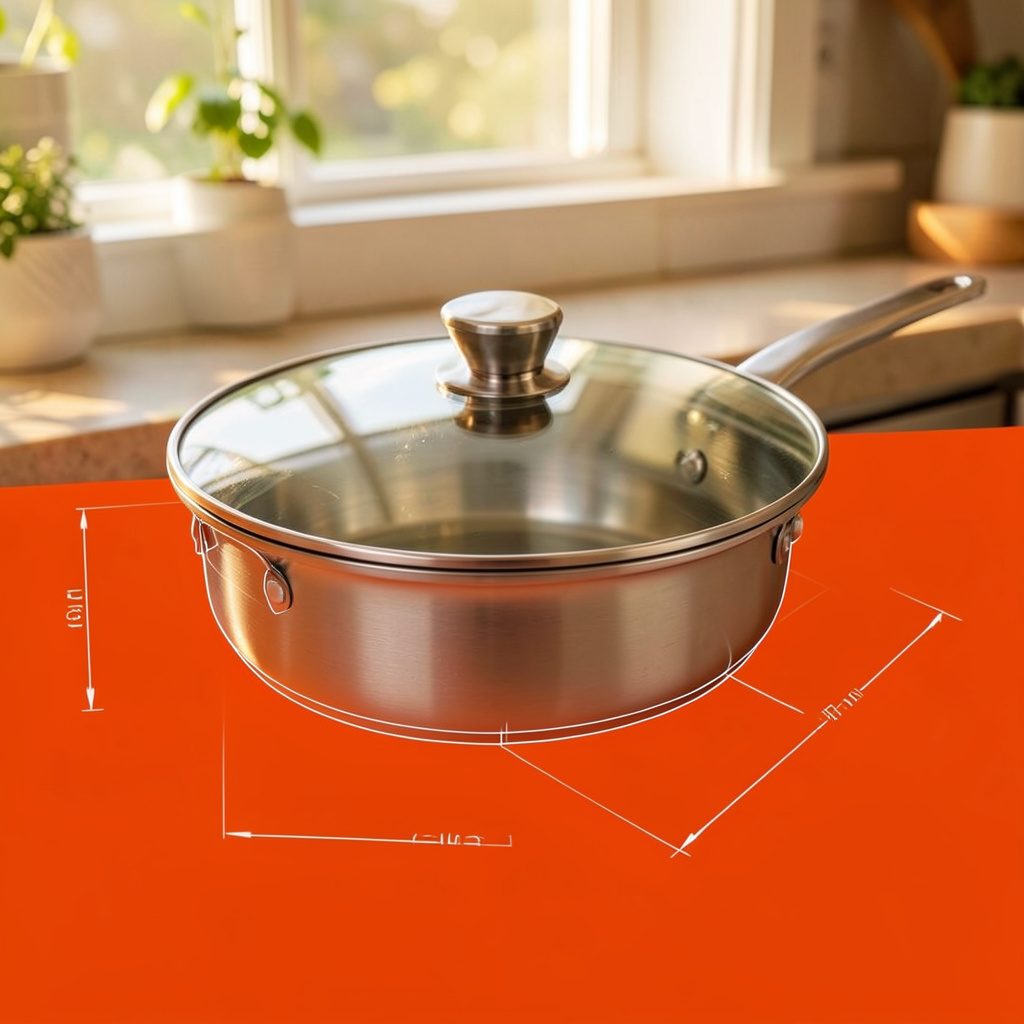 Kitchen
Why Readers Trust Symfonycamp
- Curated top-10 lists with clear ratings for every product
- Reviews grounded in real product features and user feedback
- Categories spanning electronics, kitchen, audio, and accessories
- Direct links to check current prices and availability
- Published articles dating back to April 2022
- Ratings as high as 9.9 for standout products

Ready to Find Your Next Great Purchase?


Featured Review: Best Bike Phone Mount from Andobil
Published July 1, 2022 — our detailed breakdown of Andobil bike phone mounts covers military-grade stability, anti-shake technology, and compatibility with iPhone and Samsung Galaxy series. Top-rated models scored up to 9.9.
Read the ReviewLatest Top-Rated Picks
Best Bluetooth Headphones for iPod Nano
View Picks
Best Blue Yeti Microphones for ASMR
View Picks
Best Frying Pans with Lids
View PicksHow to Choose a Portable Jump Starter for Your Car in 2025
You are hours from the nearest service station between Bourke and Cunnamulla on the Mitchell Highway, and your engine refuses to turn over. A flat battery in the outback can leave you stranded in heat past 45°C. A portable jump starter is one of the most practical pieces of emergency kit for Australian motorists.
The technology has shifted dramatically. Older lead-acid jump starters were bulky and heavy. Modern lithium iron phosphate and lithium-ion packs deliver the same cranking power from a device that fits in a glovebox, often doubling as a power bank, tyre inflator, or emergency flashlight.
That abundance of choice makes buying one difficult. Not every unit suits the conditions drivers face in Melbourne or Cairns. This guide covers the specifications that actually matter and the trade-offs of compact units.
Think about how you drive before deciding. Someone commuting from Parramatta to the Sydney CBD has different needs from a grey nomad crossing the Nullarbor or a tradie running a diesel ute between worksites in regional Queensland. The right match considers your engine, your climate, and how far you go beyond mobile coverage.
Battery chemistry and capacity ratings
The first specification most buyers check is capacity, measured in mAh or watt hours. Higher numbers mean more stored energy, but capacity alone does not determine whether a pack will start a V8 on a cold Hobart morning. What matters is peak current, listed as peak or cranking amps.
Lithium-ion packs remain the most common and offer a good weight-to-power balance. Lithium iron phosphate versions cost more but last significantly longer, often rated for 2,000 or more charge cycles compared to around 500 for standard lithium-ion. LiFePO4 also handles heat better and is less prone to thermal runaway if left on a ute seat in the Australian sun. Reviewers often cross-reference related specs, and consolidated phone battery guides can show how the underlying technology translates across product categories.
Peak amps, cranking amps, and the numbers that matter
Peak amps is the maximum current delivered for a split second, while cranking amps is what the unit sustains over the few seconds the starter motor actually draws. Sustained cranking amps matter far more, since a brief spike does not get the engine turning.
A four-cylinder petrol engine like a Corolla or Mazda 3 might need 150 to 250 amps. A larger six-cylinder family SUV usually demands 250 to 400 amps, and diesel engines require even more, especially in colder parts of Australia where oil thickens in winter. A 3.0-litre diesel in a LandCruiser can ask for 400 to 600 amps, so units aimed at these vehicles generally advertise at least 1,000 peak amps for headroom. Aim for a unit rated 30 to 50 percent above what your engine draws to keep the pack reliable.
Size, portability and Australian heat tolerance
Portability depends on more than weight. Consider where the pack will live, whether behind a seat, in a centre console, or in the boot beside the spare. Heat is the real enemy in Australia, where cabin temperatures inside a parked car can climb past 70°C on a summer afternoon in Adelaide or Perth. Not every unit is rated for that exposure.
Look for an operating range covering at least -20°C to 60°C. Sturdy casings with rubberised corners survive corrugations on the way to Fraser Island or the dirt roads through the Flinders Ranges. Cable length and clamp quality also matter more than people expect, particularly when terminals are buried under modern engine covers. Industrial-grade clamps with thick copper jaws bite better and conduct more current than flimsy alternatives.
Useful extras: USB charging, air compressors and lighting
Most modern jump starters double as power banks, which is genuinely useful on long drives. Recharging a phone after using it for navigation, or to call NRMA roadside assistance across western Queensland or the Nullarbor Plain, is a real safety benefit when coverage disappears for hundreds of kilometres.
USB-A and USB-C ports are standard now, with Power Delivery outputs of 18W or higher recharging a modern smartphone in under an hour. Built-in air compressors are common in mid-range models and work well for keeping family car tyres topped up between services. LED flashlights with SOS and strobe modes are also worth having for changing a tyre on an unlit road.
Safety features worth paying attention to
Lithium jump starters pack serious energy into a small case, and safety circuitry separates a reliable unit from a fire risk. Reverse polarity protection prevents damage if you clip the leads the wrong way around. Short-circuit protection, over-current protection, and spark-proof clamp technology should appear on the spec sheet.
Australian electrical safety regulations cover portable power packs, and reputable brands display RCM marks showing local compliance. Avoid units from anonymous sellers on unfamiliar marketplaces, since warranty support and recalls are easier to navigate with established brands. Battery management systems regulate charging, and better units include temperature sensors that prevent charging when the pack is too hot, which matters in the Australian climate where a pack left in the boot after a long drive can be uncomfortably warm.
Matching the jump starter to the way you drive
Daily urban commuters in Brisbane, Sydney, or Melbourne generally need only a compact 800 to 1,500 peak amp unit. Cars here are usually petrol four-cylinders or small hybrids, batteries are replaced every few years, and roadside assistance is rarely more than 30 minutes away.
The needs change once you head off the bitumen. A driver towing a caravan through regional Victoria or an outback tourer crossing the Tanami benefits from a heavier-duty unit with at least 2,000 peak amps, robust clamps, and ideally a built-in compressor. For genuinely remote terrain, a small solar blanket helps keep the jump starter topped up.
Boaties should look for marine-rated corrosion resistance if the unit lives near saltwater, and fleet operators running several vehicles benefit from standardising on one model. If you want to dig deeper into how modern battery packs compare across categories, you will find a useful breakdown of related battery guides.
What to avoid when buying a jump starter
Steer clear of units with vague spec sheets. Terms like "heavy duty" or "professional grade" mean nothing without numbers, and exaggerated peak amp ratings are common in cheap imports. A 4,000-amp peak claim on a $50 device is a red flag, since internal cells cannot deliver that current.
Be cautious about universal clamps or no-name accessories. Quality clamps are a significant part of the cost of a good jump starter, and flimsy ones lose contact under load. Avoid leaving a jump starter fully discharged, since lithium chemistries do not appreciate being stored flat and a pack left at zero for weeks may refuse to charge at all. Top it up every two or three months and it will be ready when you need it.
Picking the right capacity for common vehicles
- Small four-cylinder petrol runabouts like a Corolla or Mazda 3 typically need around 800 to 1,500 peak amps.
- Mid-size six-cylinder SUVs such as a Toyota Kluger sit comfortably in the 1,500 to 2,500 peak amp range.
- Diesel utes and four-wheel-drives, including Hilux, Ranger, and LandCruiser models, benefit from 2,000 to 3,000+ peak amps.
- Larger petrol V8 engines, common in locally delivered Commodore-based vehicles, push into the 2,500 to 4,000 peak amp territory.
- Fleet and tradie vehicles running dual batteries or auxiliary systems need professional-grade units with 3,000+ peak amps.
- Remote travellers carrying a camper or caravan should pair a mid-size unit with a solar trickle charger.
A portable jump starter is one of the few pieces of car gear that can pay for itself the first time you use it. For most Australian drivers, a quality mid-size lithium unit with at least 1,500 peak amps, reverse polarity protection, and an RCM mark will cover virtually any situation short of a fully dead diesel in the Simpson Desert. Pick a model suited to the largest engine in your driveway, keep it charged, and treat it like the seatbelt of electrical accessories, rarely needed but the day you need it nothing else will do. For broader background on portable power, a comparison resource like wikis take helps put the various options in context.