Curated reviews and top-rated picks across electronics, kitchenware, phone accessories, and more.
Get a Free Quote

Trusted Product Reviews Since 2022
Symfonycamp publishes carefully researched product recommendations across categories including home electronics, kitchen, phone accessories, audio gear, and more. Each article highlights top-rated items with detailed ratings and direct links to learn more.
Explore Reviews
Our Review Categories
Explore top-rated products across every category we cover
 Bike Gear
 Audio
Audio Microphones
 Batteries
 Phone Cases
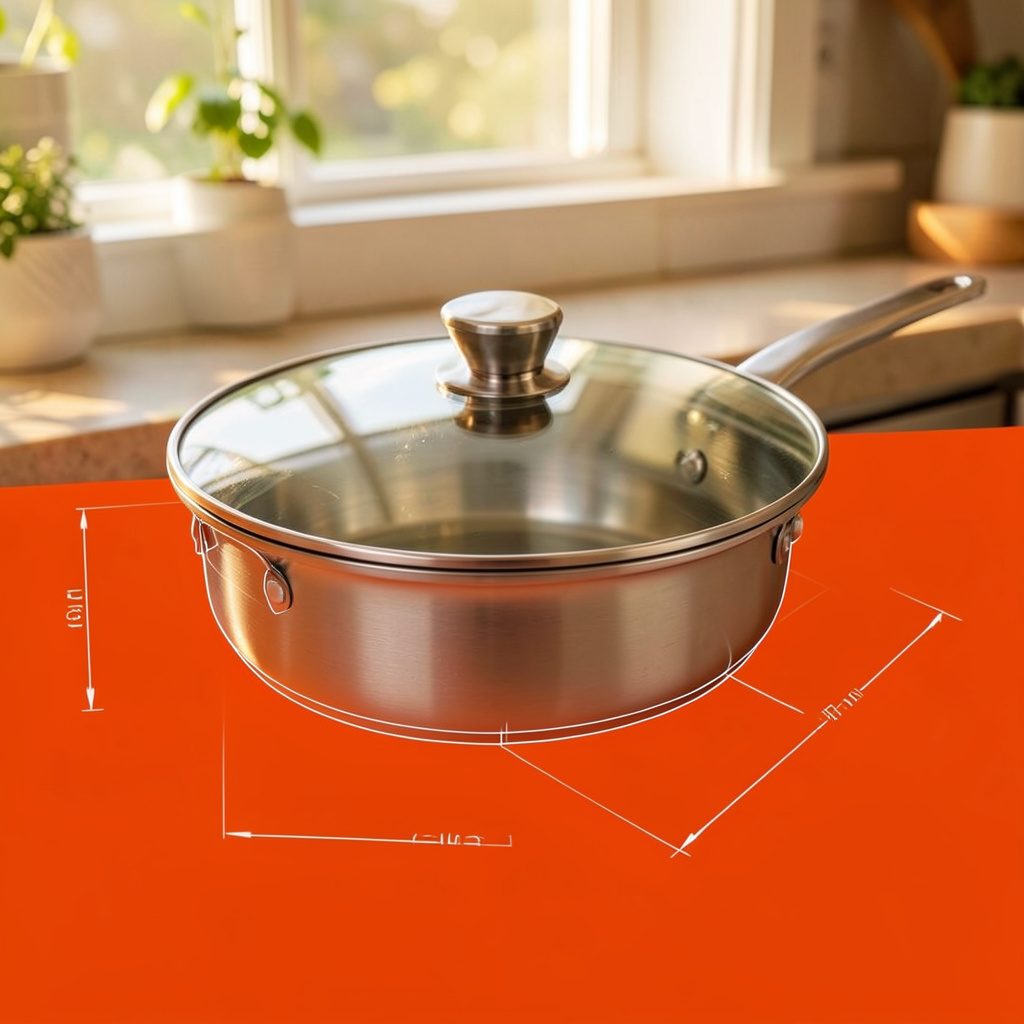 Kitchen
Why Readers Trust Symfonycamp
- Curated top-10 lists with clear ratings for every product
- Reviews grounded in real product features and user feedback
- Categories spanning electronics, kitchen, audio, and accessories
- Direct links to check current prices and availability
- Published articles dating back to April 2022
- Ratings as high as 9.9 for standout products
Ready to Find Your Next Great Purchase?
Featured Review: Best Bike Phone Mount from Andobil
Published July 1, 2022 — our detailed breakdown of Andobil bike phone mounts covers military-grade stability, anti-shake technology, and compatibility with iPhone and Samsung Galaxy series. Top-rated models scored up to 9.9.
Read the ReviewLatest Top-Rated Picks
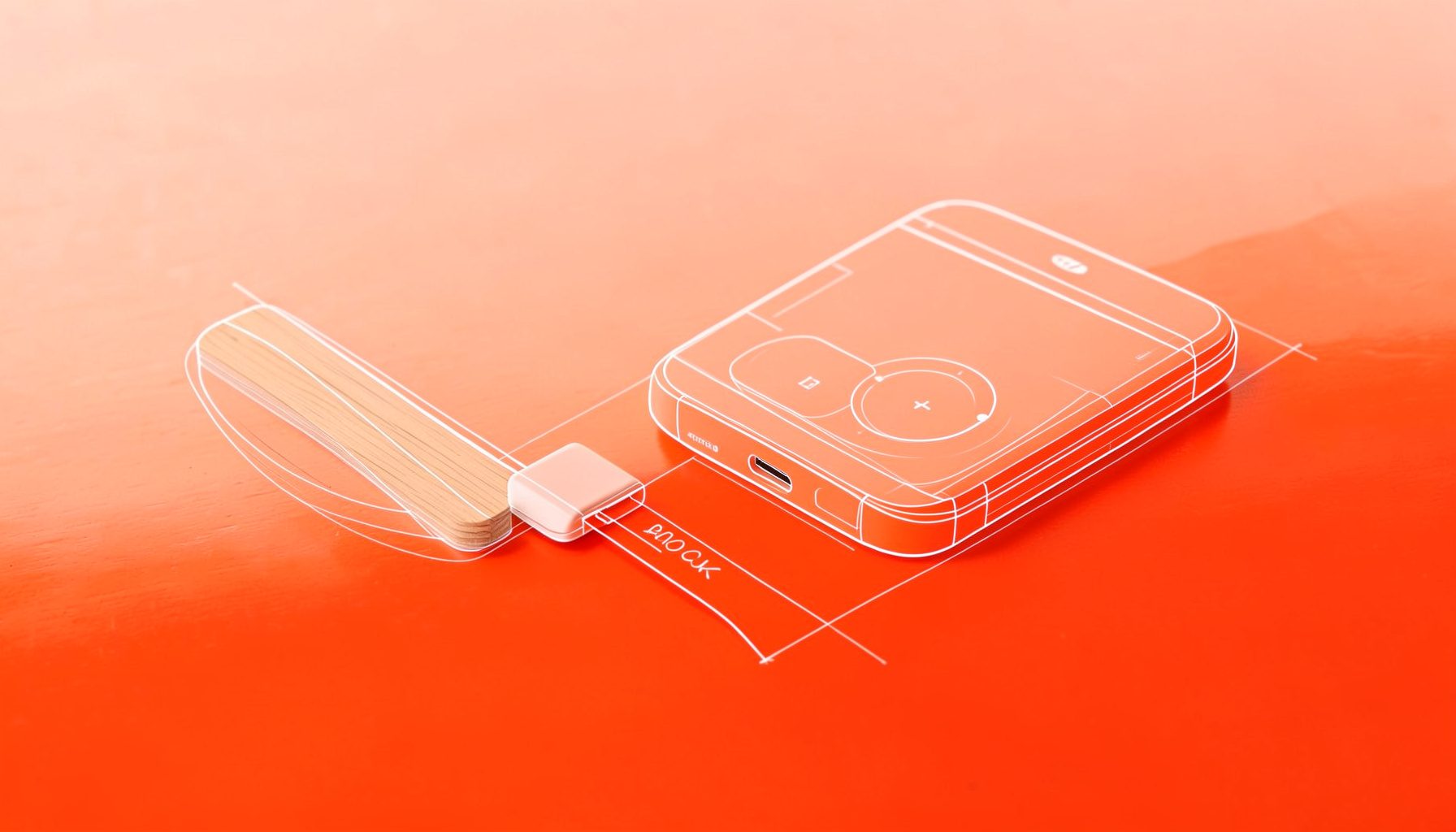
Best Bluetooth Headphones for iPod Nano
View Picks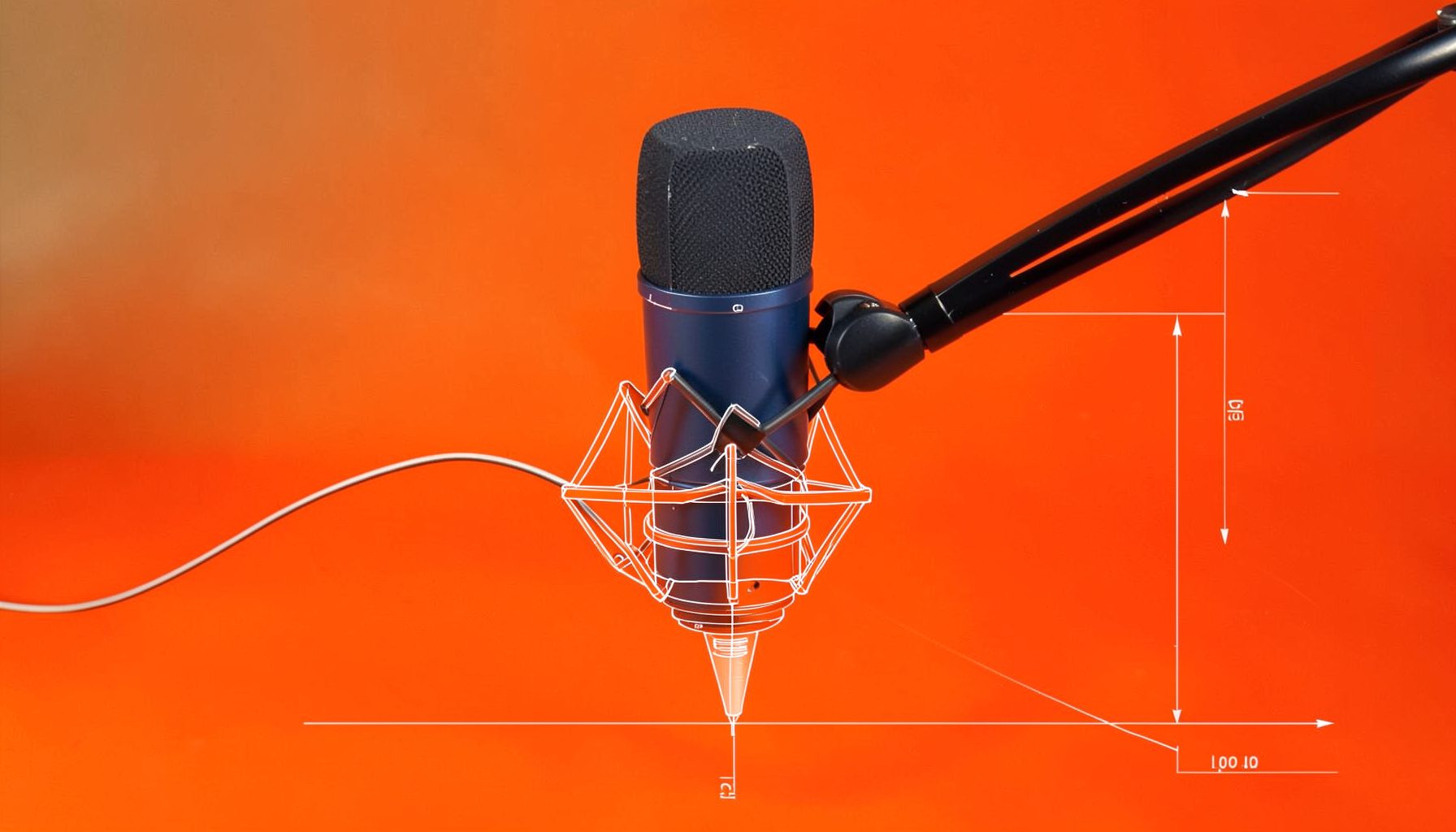
Best Blue Yeti Microphones for ASMR
View Picks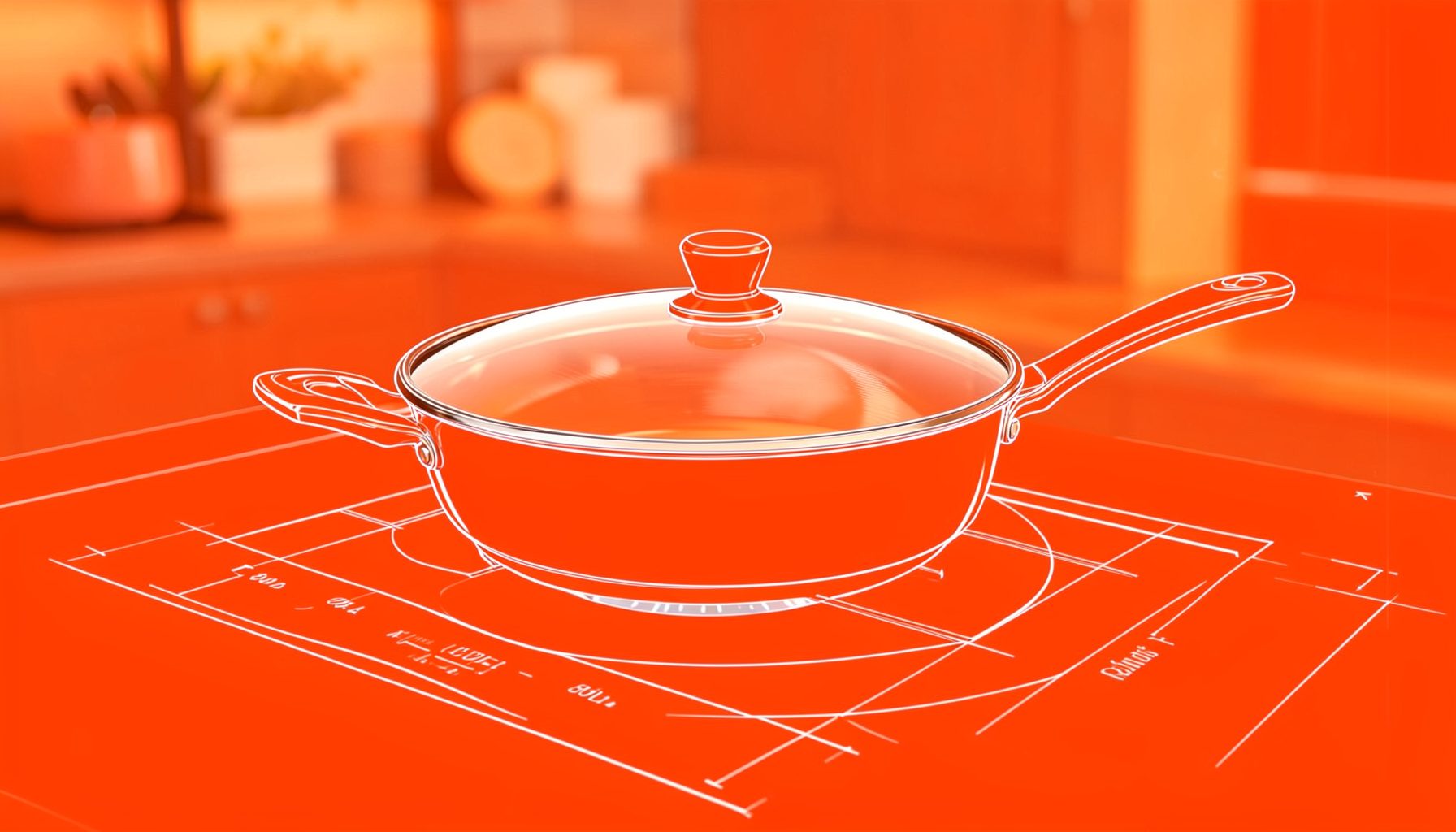
Best Frying Pans with Lids
View PicksHow to Choose a Telescope for Beginner Stargazers in Australia
Buying a first telescope can open up the Moon’s craters, Saturn’s rings, Jupiter’s moons and bright star clusters. The right beginner telescope should make those sights easy to find, quick to set up and enjoyable enough to use regularly. A large, complicated instrument that stays in its box is poor value, even if its specifications look impressive.
Australian stargazers have an advantage: much of the country offers wide horizons and access to genuinely dark skies. Someone living under the glow of Sydney, Melbourne, Brisbane or Perth will have different priorities from an observer near the Flinders Ranges, the Victorian High Country or Western Australia’s remote coast. Your location matters as much as the telescope model.
The recommendations below focus on practical performance, optical quality, portability, mounting, local availability and beginner-friendly features. Prices and stock can change between Australian retailers, so treat the models as useful starting points rather than fixed rankings.
Start With Your Observing Goals
A refractor telescope is usually the simplest choice for a first-time observer. Its sealed optical tube needs little maintenance, gives sharp lunar and planetary views, and works well for casual backyard sessions. A 70mm to 90mm refractor on a stable alt-azimuth mount is a sensible entry point for families and younger observers.
Reflector telescopes gather more light for the money. A 114mm to 150mm Newtonian reflector can reveal fainter star clusters, nebulae and galaxies, making it an excellent choice for rural or regional Australia. The trade-off is a bulkier tube and the occasional need to check collimation, which means aligning the mirrors.
A tabletop Dobsonian is particularly appealing when value and simplicity matter. It uses a manual base rather than a tripod, so it has fewer parts to assemble and often offers more aperture per dollar. You will need a solid outdoor table, crate or purpose-built stand, but the uncomplicated design is ideal for learning the sky.
Match Aperture, Mount And Portability
Aperture is the diameter of the main lens or mirror, measured in millimetres. Larger aperture gathers more light and improves detail, but it also increases weight, storage requirements and cooldown time. For most beginners, 70mm to 90mm is adequate for the Moon and planets, while 130mm to 150mm opens up a much richer deep-sky experience.
The mount deserves equal attention. A shaky tripod can ruin an otherwise good optical tube, particularly when using higher magnification. Test the focus and gently tap the tube before buying if possible; the image should settle quickly. A smooth manual mount is often preferable to a cheap motorised system that struggles with alignment.
Computerised GoTo telescopes can locate thousands of objects, but they require accurate setup and a power source. Models with phone-assisted alignment are often friendlier because the app guides you through the process. Still, learning a few bright stars and the Southern Cross can make manual observing more rewarding and keeps the session working when batteries run flat.
Beginner Telescope Picks Worth Considering
The Sky-Watcher Heritage 130P is a strong all-rounder for new observers who want serious visual capability without a full-size Dobsonian. Its 130mm parabolic mirror provides rewarding views of the Moon, planets and brighter deep-sky targets. The collapsible tube also makes it easier to store in an apartment or transport in a small car.
For a more traditional setup, the Sky-Watcher Classic 150P Dobsonian offers excellent light-gathering power and a stable base. It is a compelling choice for a backyard in regional New South Wales, Queensland or South Australia, where darker skies make its larger aperture worthwhile. Its manual operation teaches you how to move between objects and understand the sky.
The Celestron StarSense Explorer LT 114AZ suits beginners who want smartphone assistance without paying for a full GoTo computer system. The phone uses the StarSense app to help identify targets, while the telescope remains relatively straightforward to operate. Check that your phone model is compatible and remember that the app does not replace a stable mount.
A quality 70mm or 80mm refractor remains a good pick for portability. The Celestron Travel Scope series and similar Sky-Watcher models are convenient for camping trips, school projects and occasional Moon viewing. Avoid judging these kits by the number of eyepieces included; optical quality and tripod stability matter far more than a large accessory bundle.
Consider Australian Skies And Conditions
Light pollution around Melbourne’s suburbs, Sydney’s western corridor and Brisbane’s built-up areas can wash out faint galaxies and nebulae. The Moon and planets remain excellent targets, however, so an affordable planetary setup can still provide years of enjoyable use. Travelling even an hour away from city lights can make a noticeable difference.
Remote locations such as the Warrumbungle Dark Sky Park in New South Wales, the Australian Desert or parts of Tasmania offer far better conditions for deep-sky viewing. Australia’s southern latitude also gives observers access to objects that are difficult or impossible to see from Europe and North America, including the Small and Large Magellanic Clouds and the Southern Cross region.
Keep outdoor lighting away from the observing area. Bright security lamps and decorative pathway lights can destroy night vision, so choose warm, shielded fittings and switch unnecessary lights off. Guidance on solar pathway lights is useful when you want safer garden illumination without placing a glaring lamp beside the telescope.
Australian weather creates other practical considerations. Coastal air can encourage corrosion, while inland dust can settle on exposed accessories. Allow a telescope to reach outdoor temperature before chasing fine planetary detail, and store it in a dry, ventilated cupboard rather than a damp shed.
Build A Useful Beginner Kit
The eyepieces supplied with a telescope are often enough to begin. A low-power eyepiece helps locate objects and view large star fields, while a medium-power eyepiece is useful for the Moon and brighter planets. Extremely high magnification is rarely helpful on a first telescope because atmospheric turbulence and mount vibration become more obvious.
A red-light torch protects night vision better than a white LED torch. A planisphere or astronomy app helps you recognise seasonal targets, although phone screens should be dimmed and covered with a red filter. A comfortable chair, warm layers and a notebook can make a longer session much more enjoyable.
Practical extras to prioritise include:
- A stable mount with smooth movement
- Two useful eyepieces rather than a large cheap set
- A red-light torch and simple star chart
- A dust cap and padded storage bag
Small personal touches can encourage regular use, especially for children or teenagers. Astronomy-themed clothing, such as This On A Shirt designs, can make a thoughtful gift alongside a telescope without affecting the instrument budget.
Accessories to delay until you know your interests include:
- Expensive colour filters
- Oversized magnification kits
- Entry-level astrophotography cameras
- Unnecessary electronic focuser upgrades
Buy Carefully And Plan The First Session
Before ordering, confirm the telescope’s packed dimensions, total weight, warranty terms and return policy. Australian buyers should check whether the seller provides local support and whether the advertised price includes GST. Imported models may look cheaper until shipping, exchange rates and warranty handling are added.
A telescope should arrive with suitable instructions, a secure mount and a sensible set of accessories. Be cautious with listings that promise extreme magnification, such as 600x or 900x, without explaining the optical limits. In real backyard conditions, a clear image at moderate power is much more valuable.
If the instrument will be stored inside the house, keep the optical tube capped and place small accessories in labelled containers. Homes with pets may collect hair and dust around the storage area, so a guide to robot vacuums for pet hair can be relevant when keeping the room tidy, though no vacuum should operate while the telescope is uncovered.
On the first night, begin with the Moon or a bright planet rather than a faint galaxy. Set up on firm ground, allow your eyes 15 to 20 minutes to adjust, and use low magnification before moving higher. The practical takeaway is simple: choose the largest stable telescope you can store, transport and use regularly, then learn the southern sky one clear night at a time.