Curated reviews and top-rated picks across electronics, kitchenware, phone accessories, and more.
Get a Free Quote




Trusted Product Reviews Since 2022
Symfonycamp publishes carefully researched product recommendations across categories including home electronics, kitchen, phone accessories, audio gear, and more. Each article highlights top-rated items with detailed ratings and direct links to learn more.
Explore Reviews

Our Review Categories
Explore top-rated products across every category we cover
 Bike Gear
 Audio
 Microphones
 Batteries
 Phone Cases
 Kitchen
Why Readers Trust Symfonycamp
- Curated top-10 lists with clear ratings for every product
- Reviews grounded in real product features and user feedback
- Categories spanning electronics, kitchen, audio, and accessories
- Direct links to check current prices and availability
- Published articles dating back to April 2022
- Ratings as high as 9.9 for standout products

Ready to Find Your Next Great Purchase?


Featured Review: Best Bike Phone Mount from Andobil
Published July 1, 2022 — our detailed breakdown of Andobil bike phone mounts covers military-grade stability, anti-shake technology, and compatibility with iPhone and Samsung Galaxy series. Top-rated models scored up to 9.9.
Read the ReviewLatest Top-Rated Picks

Best Bluetooth Headphones for iPod Nano
View Picks
Best Blue Yeti Microphones for ASMR
View Picks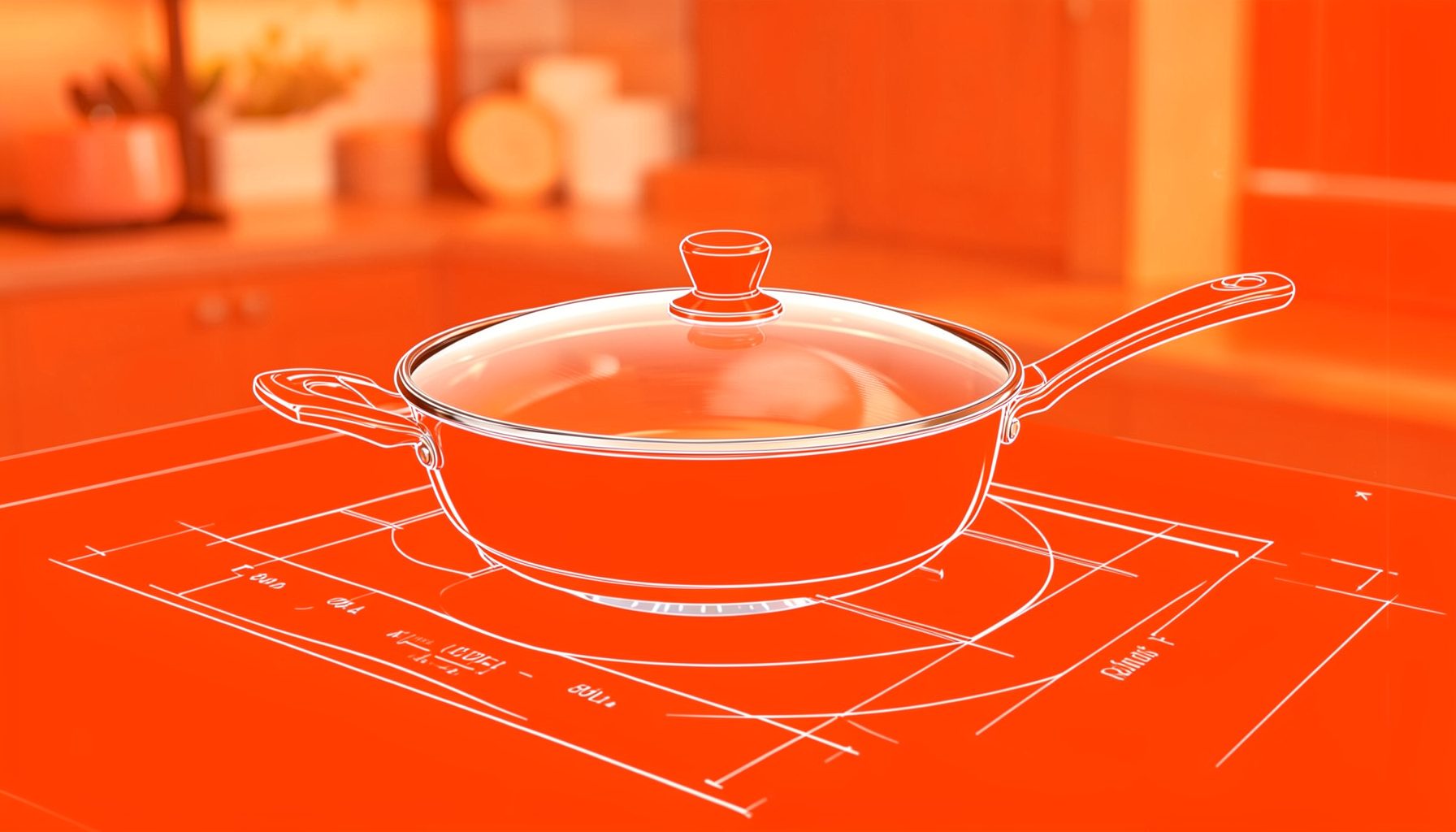
Best Frying Pans with Lids
View PicksHow to pick an ergonomic office chair for back pain relief
An office chair cannot guarantee relief from back pain, but a poor setup can prolong the positions and strains that irritate it. Long meetings, laptop work and hours at a fixed desk often affect the lower back, hips and shoulders. The useful question is whether the adjustments support your body, not how many features the specification sheet lists.
Choosing an ergonomic office chair for back pain relief starts with your symptoms and routine. Lower-back discomfort may call for firmer seat support and adjustable lumbar support; neck or shoulder tension may point more towards armrest height, monitor placement and frequent movement. Height, reach and desk type all influence how a chair feels.
Australian work patterns add practical complications. Hybrid teams in Sydney, Melbourne, Brisbane and Perth often alternate between commuting, kitchen-table work and compact apartment offices. Summer heat, air-conditioning and humid nights can affect comfort and materials, while a chair that works in a showroom may crowd a small home workspace.
Treat shopping as a fit test rather than a specification contest. Check adjustment ranges, sit for longer than a showroom visit allows, and confirm the retailer has a workable returns policy. Persistent, severe or recurring pain deserves assessment by a GP or qualified physiotherapist because a chair cannot diagnose its cause.
Match the chair to your pain pattern
Begin with the pattern, not the price. Note whether discomfort builds after a long meeting, when reaching for a keyboard, or after standing from the desk. Those clues suggest whether to prioritise seat depth, lumbar support, armrests or movement. A chair designed for one posture cannot compensate for every task.
Create a realistic trial at home with your usual desk, shoes and clothing. Change position deliberately every half-hour or whenever focus drops. If the chair forces a fixed posture or makes you lean forward, features that look good on paper are working against you. Comfort should improve as the body settles, rather than fade after the novelty disappears.
No chair should be sold as a treatment for spinal disease or injury. It can reduce avoidable loading and make working more comfortable, but exercises, activity and clinical advice may matter more for some conditions. Stop using it if it causes sharp pain, numbness or weakness, and seek suitable medical care.
Check fit before extra features
Set seat height so the feet rest flat and the knees are roughly level with the hips. Add a footrest if the desk is too tall for that position. Seat depth should leave two to four fingers between the front edge and the back of the knees; deeper seats can force the feet to dangle and pull the lower back out of position.
Adjust lumbar support to the small inward curve above the pelvis rather than pushing it into an exaggerated arch. Armrests should support relaxed shoulders without trapping the elbows, and they must clear the desk as the chair moves closer. Check that the keyboard and mouse remain reachable without hunching, since chair adjustment cannot solve a badly placed screen.
Measure the desk height, chair width and route from the door before buying. A wide reclining chair can suit a large office in Brisbane but be impractical in a Sydney apartment with a narrow hallway. Trial it for several days, including video calls, and keep the desk height fixed while you learn the controls.
Compare support, movement and build
Useful adjustment mechanisms include height, depth, lumbar position, armrests, tilt tension and a reliable recline. Synchronous or dynamic systems let the seat and back move together, which can feel more natural than an isolated backrest. The best range matters less than whether the controls are easy to reach and hold their setting after repeated daily use.
Choose materials by comfort rather than labels. A breathable mesh back may suit a warm office, while some people prefer the cushioning of a foam or upholstered seat. Check that the front edge does not create pressure behind the knees and that the seat does not feel slippery in work clothes. Removable, cleanable covers are useful for shared spaces.
Look for a stable base, smooth castors and accessible adjustment levers, then read the assembly and parts information. A chair that drifts or twists can create uneven loading even when the back support feels good. Replacement castors, gas lifts and covers can extend useful life, so a local repairer or readily available parts may be worth more than a decorative headrest.
Plan for Australian work conditions
Australian climate deserves attention. Brisbane’s humid summers, Perth’s dry heat and Sydney’s warmer months can make a thick seat uncomfortable, while strong air-conditioning can favour a breathable back and adjustable clothing. Melbourne’s variable days raise a different issue: a chair used in a draughty room and a warm lounge must still be easy to adjust.
Compact flats add noise, doorway and storage constraints. Look for a compact base, manageable weight and a seat that does not scrape every chair movement across a shared floor. If your phone doubles as a posture timer during long meetings, phone battery care helps avoid a flat battery interrupting those checks.
Employers also have a role. Under the Work Health and Safety Act 1991 and the related state and territory laws, duties include providing safe plant and systems of work, consulting workers and managing musculoskeletal hazards. Safe Work Australia treats workstation design, including seating, as part of preventing disorders. Home workers should raise unsuitable furniture or workload with their employer, who can help assess risk and suitable adjustments.
The local market is broad: compare Australian-dollar prices from Officeworks, Bunnings, Harvey Norman, specialist chair retailers and marketplaces such as Amazon.com.au, and check GST-inclusive pricing, delivery, assembly and return freight. Australian Consumer Law requires goods to be of acceptable quality, fit a disclosed purpose and match their description. Keep the invoice and read warranty exclusions, especially for movement parts, foam compression and damage in transit.
Read reviews and warranties critically
Useful reviews compare more than star ratings. Check whether the reviewer describes seat depth, height range, lumbar placement and adjustment durability, and whether they tested the chair through a full working day. Feedback from different body sizes is especially valuable. A model praised mainly for appearance may not deliver the support your routine needs.
Retailer copy can make technical terms sound interchangeable. Checking unfamiliar wording through independent reference research is a sensible way to separate real adjustments from marketing language, then compare those functions with verified user feedback and professional reviews.
Value depends on the return policy, warranty and expected use as much as the price. A simpler chair with the correct fit can outperform an expensive model with unsuitable controls. Look for clear replacement-part support and realistic user comments about squeaks, pressure points and adjustment drift. Photograph the chair on arrival so any transit or assembly issue can be documented promptly.
Use a practical comparison checklist
Use two short lists to separate what may improve comfort from what affects ownership. Judge them against your own body, desk and working day, not against the most expensive model in the showroom.
Comfort priorities
- Seat height and depth that support flat feet and relaxed knees
- Lumbar support that meets the lower back without pushing forward
- A recline and tension range that allow comfortable position changes
- Armrests that support the shoulders and fit beneath the desk
Ownership becomes clearer after accounting for the room, retailer terms and long-term maintenance.
Ownership checks
- Dimensions, weight and turning space checked against the room
- Trial and return terms that allow a genuine workday test
- Warranty and spare-parts information for castors, gas lift and covers
- Total cost including delivery, assembly and potential return freight
The practical benchmark is straightforward: the chair should fit your body, hold its adjustments after a week of normal use and remain comfortable when you change posture. Those qualities usually matter more than a long feature list, a fashionable headrest or an impressive mechanism name.