Curated reviews and top-rated picks across electronics, kitchenware, phone accessories, and more.
Get a Free Quote




Trusted Product Reviews Since 2022
Symfonycamp publishes carefully researched product recommendations across categories including home electronics, kitchen, phone accessories, audio gear, and more. Each article highlights top-rated items with detailed ratings and direct links to learn more.
Explore Reviews

Our Review Categories
Explore top-rated products across every category we cover
 Bike Gear
 Audio
Audio Microphones
 Batteries
 Phone Cases
 Kitchen
Why Readers Trust Symfonycamp
- Curated top-10 lists with clear ratings for every product
- Reviews grounded in real product features and user feedback
- Categories spanning electronics, kitchen, audio, and accessories
- Direct links to check current prices and availability
- Published articles dating back to April 2022
- Ratings as high as 9.9 for standout products

Ready to Find Your Next Great Purchase?


Featured Review: Best Bike Phone Mount from Andobil
Published July 1, 2022 — our detailed breakdown of Andobil bike phone mounts covers military-grade stability, anti-shake technology, and compatibility with iPhone and Samsung Galaxy series. Top-rated models scored up to 9.9.
Read the ReviewLatest Top-Rated Picks
Best Bluetooth Headphones for iPod Nano
View Picks
Best Blue Yeti Microphones for ASMR
View Picks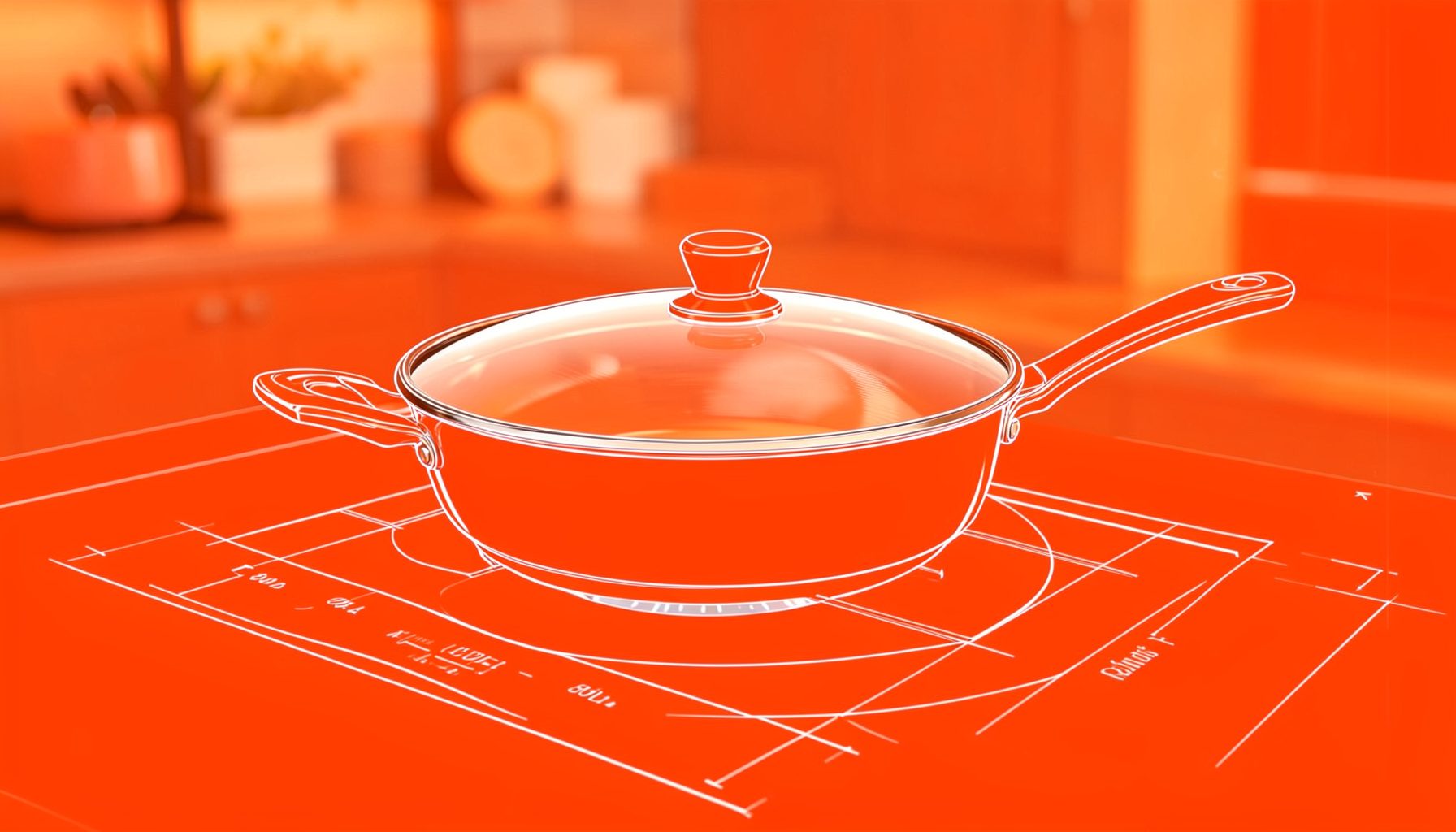
Best Frying Pans with Lids
View PicksHow to pick a reliable dash cam with parking mode
Dash cams have shifted from novelty gadgets to everyday essentials for drivers across Australia, particularly those who navigate tight supermarket car parks in Brisbane, multi-storey garages in Melbourne's CBD, or street parking in Sydney's inner west. A unit with a dependable parking surveillance function offers peace of mind against hit-and-runs, vandalism and insurance disputes — all frustratingly frequent in Australian car parks.
Parking mode is the function that turns a simple recording camera into a 24-hour witness. Yet not every model handles it well, and the gap between a premium hardwired system and a budget battery-powered camera is significant. Understanding the technical details, power demands and Australian-specific conditions helps narrow the field to a unit that genuinely protects the vehicle.
Why parking mode matters in Australian conditions
Car park incidents are among the most reported insurance claims in suburban Australia, whether at Westfield shopping centres, Bunnings car parks in Perth, or train station commuter parks in Adelaide. The "someone reversed into me and drove off" scenario plays out thousands of times each year, often without witnesses and with no clear evidence of fault.
Parking mode addresses this exact problem. When the ignition switches off, the camera stays armed, ready to record when motion is detected or when the built-in G-sensor registers an impact. Some models send a push notification to a phone the moment something happens, allowing the driver to return, review the footage and contact authorities while information is still fresh.
Australians also face unique climate challenges. A car left in the sun at Sydney Airport during summer can reach interior temperatures above 70°C, while drivers in Darwin and Cairns experience year-round humidity that tests electronics relentlessly. A dash cam with poor thermal protection may survive a crash but die on a hot afternoon, which is why heat tolerance deserves serious attention from the start.
Video quality and field of view
Resolution matters, though only up to a point. A 4K dash cam captures licence plates more clearly at distance, which can be useful on highways such as the M1 between Brisbane and the Gold Coast. Still, 1440p or even well-tuned 1080p units often deliver perfectly readable footage for suburban incidents, cost less, write to smaller files and run cooler during long parked periods.
Field of view is the second specification worth weighing. A lens covering 140 to 170 degrees captures most of what happens in front of the vehicle, including vehicles approaching from adjacent lanes or reversing out of neighbouring bays. Anything below 130 degrees tends to crop out the details that matter most in tight parking manoeuvres.
Night performance matters more in Australia than many buyers expect. Suburban streets in outer Melbourne, regional roads through the Yarra Valley, or unlit driveways in Hobart all demand strong infrared or back-illuminated sensors. Reviewing sample night footage from Australian sources tends to be more revealing than trusting manufacturer claims in isolation.
Power options and hardwiring
Three options exist for feeding a parking mode dash cam: the cigarette lighter socket, an internal battery, or a hardwired installation tied into the vehicle's fuse box. The first usually switches off with the car, defeating the purpose entirely unless the socket stays live with the key removed. The second works only for short stints because batteries degrade quickly under continuous draw.
Hardwiring is the gold standard for Australian drivers who park for long stretches, whether at work in Parramatta, at a beachside car park in Bondi, or in a remote station vehicle in the Pilbara. A hardwired installation uses a low-voltage cut-off so the camera never drains the battery below the level needed to start the engine. Most installers in capital cities charge between $80 and $200 for a tidy, fuse-tapped setup.
Solar-assisted dash cams are emerging as an option for grey nomads and tradies with utes parked outdoors, though they remain better suited to supplementary use than full-time surveillance. For most owners, a quality hardwire kit remains the most reliable answer.
Buffered versus time-lapse recording
Parking mode usually comes in two flavours: buffered and time-lapse. Buffered recording saves several seconds before and after a detected event, capturing the lead-up to a bump rather than only the moment of impact. Time-lapse records continuously at a lower frame rate, condensing hours of footage into a short, easily reviewed clip.
Buffered mode is the stronger choice when evidence quality matters most, particularly in insurance disputes. Time-lapse is more efficient on storage and runs cooler, which can extend camera life. Many premium models allow the driver to switch between the two, or run both modes simultaneously on dual-channel units covering the front and rear of the vehicle.
For Australian drivers, buffered recording is often the smarter default, given that a clear lead-in can be the difference between an accepted insurance claim and a rejected one. Side-by-side parking mode comparisons often illustrate the differences with sample footage from real-world conditions.
Storage, loop recording and heat resistance
Dash cams overwrite the oldest footage once storage fills up, which is why high-endurance microSD cards are non-negotiable. Standard cards fail quickly under the constant read/write cycle. A 128GB or 256GB high-endurance card from a reputable brand usually handles several days of buffered parking surveillance before looping.
Heat-rated components are particularly relevant in Australia, where cabin temperatures can exceed 60°C during a typical Adelaide summer afternoon. Supercapacitor-based dash cams handle these extremes far better than lithium-battery units, which can swell, fail or pose a fire risk in poorly ventilated vehicles. Looking for explicit operating temperature ratings up to at least 70°C where possible is a wise move.
Some models offer cloud storage or automatic upload over a mobile hotspot, yet these features add subscription costs and require consistent connectivity, which remains patchy in regional areas such as the Kimberley or rural Tasmania. Local storage stays the practical backbone for most Australian owners.
Buying checklist for Australian drivers
Beyond resolution and storage, several extras separate reliable units from disappointing ones. Built-in GPS logs speed and route data for insurance purposes, Wi-Fi connectivity transfers footage to a phone without removing the card, and voice control avoids fiddling with buttons while driving. Drivers who swap between a daily commuter and a work ute appreciate simple mounts that move between cars in seconds.
Mobile apps have become the main way drivers interact with their cameras. A polished app saves time when retrieving evidence, while a clunky one wastes it. Owners who already protect their tech with Alcatel cases and similar accessories tend to appreciate when the camera pairs smoothly with their existing device.
A few essentials deserve attention before checkout:
- Confirm the camera is rated for Australian summer temperatures, not just European mild summers.
- Check that the included hardwire kit matches the fuse layout, or plan for a quality aftermarket kit.
- Read feedback from local owners, since overseas reviews rarely mention local heat stress.
- Look for an Australian warranty and a local service centre, which simplifies returns if a unit arrives faulty.
- Decide between single-channel and dual-channel early, because running both roughly doubles the cost.
This checklist keeps the focus on local realities rather than overseas assumptions, and sidesteps the most common buyer regrets.
A reliable parking mode dash cam is the difference between guessing and knowing when something happens to a vehicle while it sits unattended. The right unit runs cool, records cleanly in low light, stays armed without draining the battery, and saves footage that holds up under scrutiny. The technology earns its place quietly, every time the ignition switches off.