Curated reviews and top-rated picks across electronics, kitchenware, phone accessories, and more.
Get a Free Quote




Trusted Product Reviews Since 2022
Symfonycamp publishes carefully researched product recommendations across categories including home electronics, kitchen, phone accessories, audio gear, and more. Each article highlights top-rated items with detailed ratings and direct links to learn more.
Explore Reviews
Our Review Categories
Explore top-rated products across every category we cover
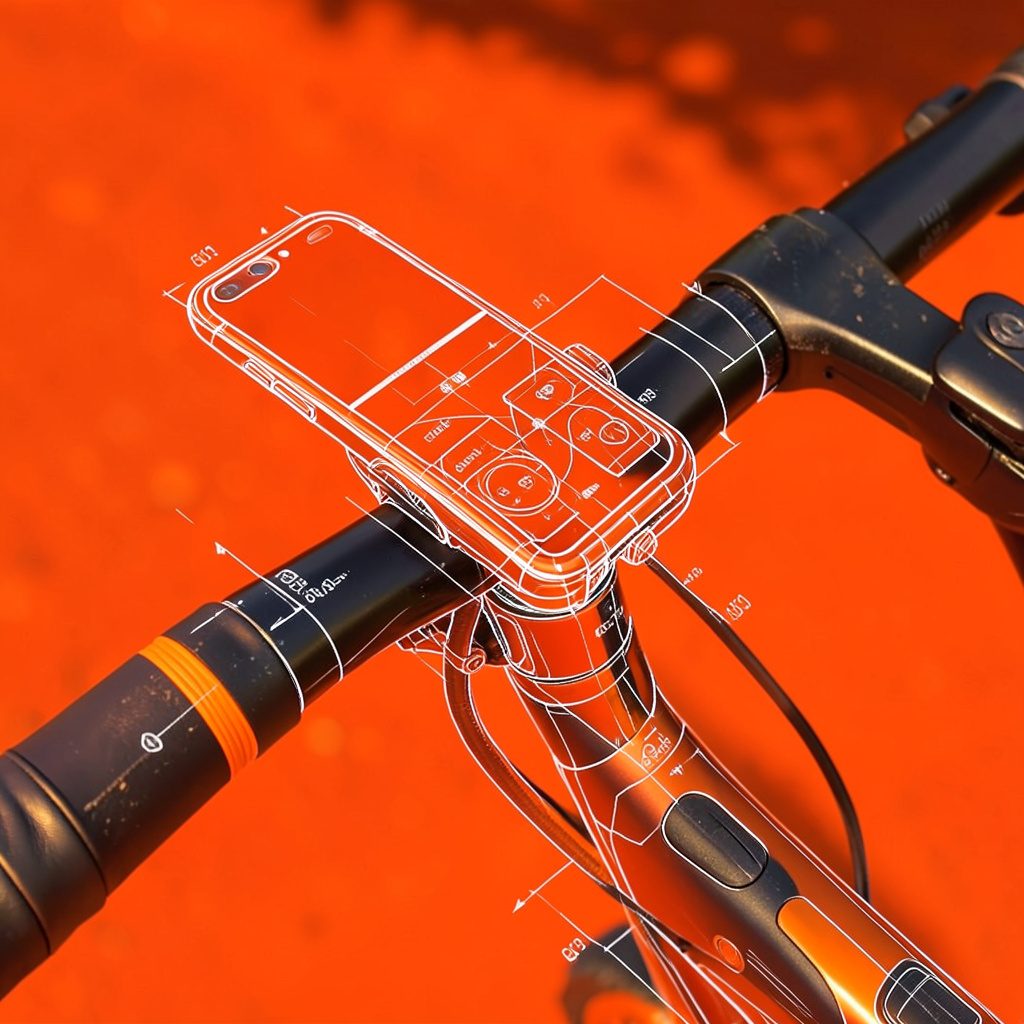 Bike Gear
 Audio
 Microphones
 Batteries
 Phone Cases
 Kitchen
Why Readers Trust Symfonycamp
- Curated top-10 lists with clear ratings for every product
- Reviews grounded in real product features and user feedback
- Categories spanning electronics, kitchen, audio, and accessories
- Direct links to check current prices and availability
- Published articles dating back to April 2022
- Ratings as high as 9.9 for standout products

Ready to Find Your Next Great Purchase?


Featured Review: Best Bike Phone Mount from Andobil
Published July 1, 2022 — our detailed breakdown of Andobil bike phone mounts covers military-grade stability, anti-shake technology, and compatibility with iPhone and Samsung Galaxy series. Top-rated models scored up to 9.9.
Read the ReviewLatest Top-Rated Picks
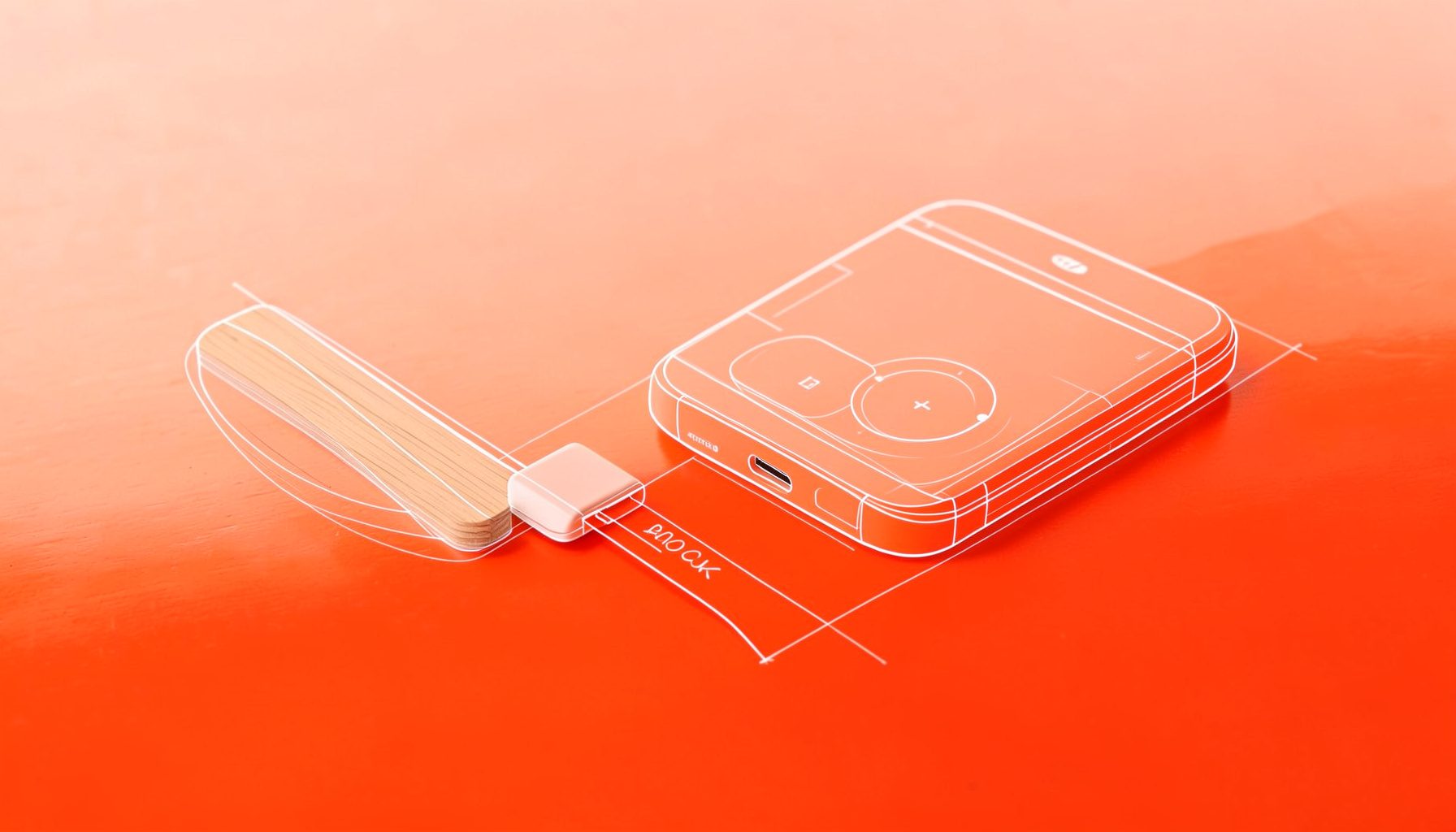
Best Bluetooth Headphones for iPod Nano
View Picks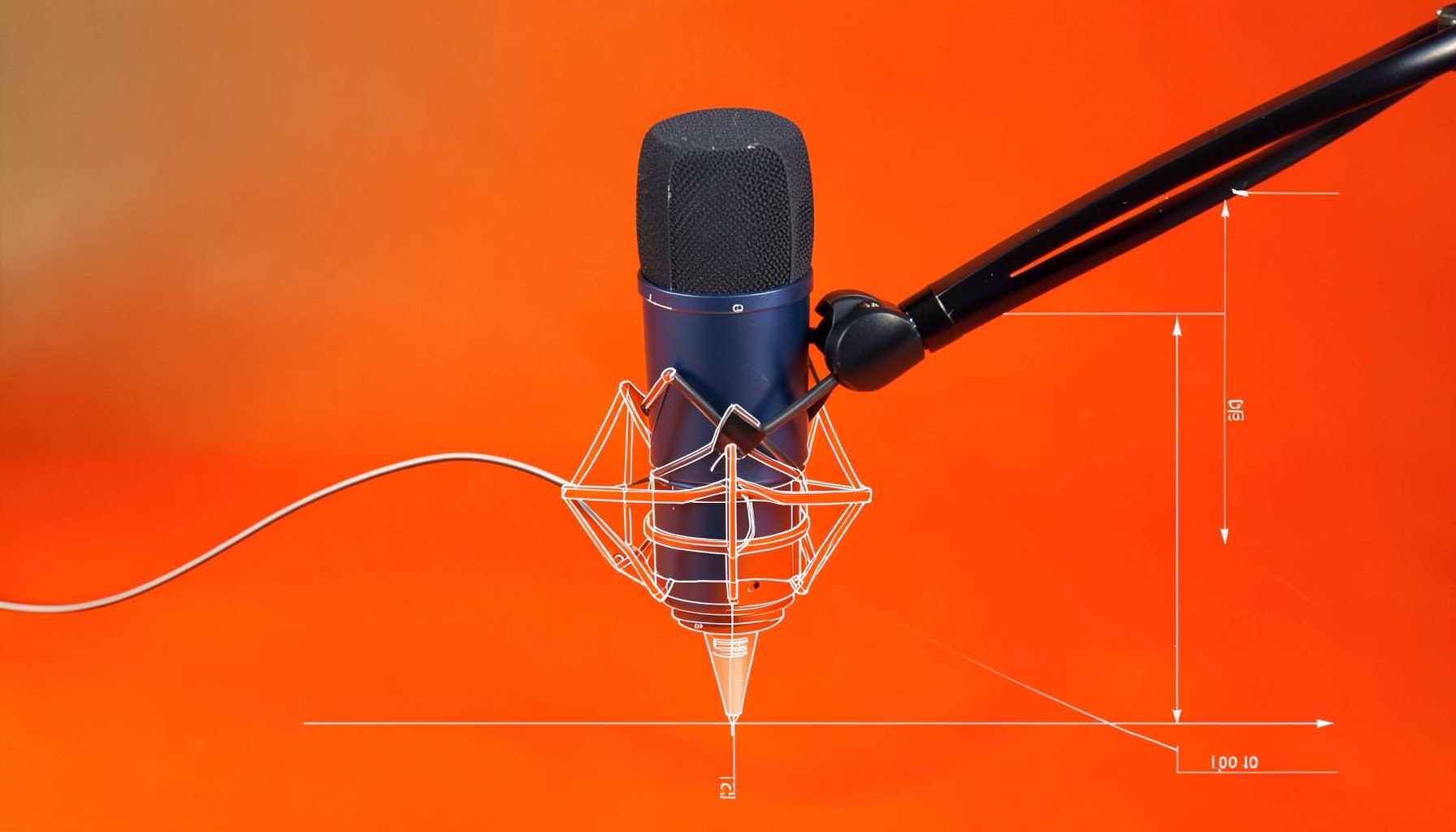
Best Blue Yeti Microphones for ASMR
View Picks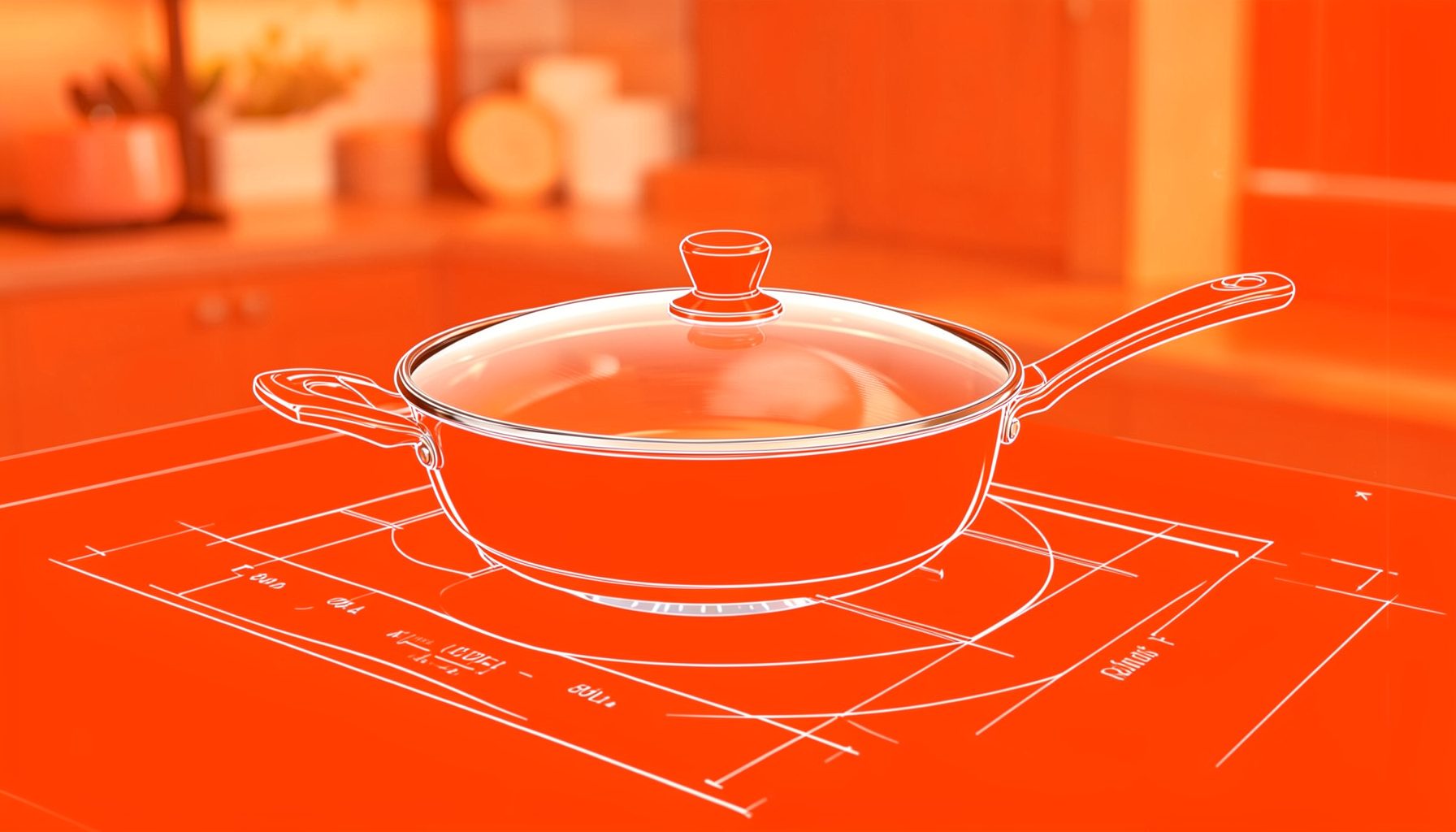
Best Frying Pans with Lids
View PicksChoosing a Water Quality Tester for Tap and Well Water
Tap water and well water can look clear while telling very different stories. A home water quality tester is useful for tracking total dissolved solids (TDS), pH, electrical conductivity (EC), hardness and chlorine residual, but the right meter depends on whether you are testing chlorinated mains water, rainwater in a tank or a private bore. It cannot replace laboratory analysis for bacteria, lead, arsenic or another specific contaminant.
Start by writing down what you want to know. Are you checking whether rainwater is suitable for drinking, investigating a salty or metallic taste from a bore, or monitoring a treatment system? That prevents buying an impressive device whose functions do not answer the real question. It also clarifies how much accuracy, range and repeatability you need, and whether occasional test strips would be more practical than a stored meter.
Match the tester to your water source
Source is the first filter in Australia. Sydney, Melbourne, Brisbane, Adelaide and Perth have treated urban supplies, yet chemistry differs between catchments, treatment plants and seasons. Adelaide's mains water is often relatively hard, while Perth's is generally less mineralised, and a Sydney result can vary by area and household fittings. Private sources are a separate category: rainwater tanks are familiar around Melbourne, Adelaide and regional New South Wales, while bores are common in parts of regional Queensland, South Australia and Western Australia.
Tank and bore water need their own baseline. Rainwater can pick up dust, leaves, roof metals and sediment during the first flush, especially after a dry spell followed by heavy rain. A bore may be clear and low in TDS yet have an unpleasant smell, or change in salinity, iron or pH as the water table moves. Test the exact source used for drinking or cooking, and repeat tests after storms, maintenance or seasonal change. A meter that handles both a cold kitchen tap and a variable well sample is more versatile than one designed for just one source.
Choose measurements that answer the question
The most useful specification is not the longest feature list, but measurements that match your concern. TDS is a convenient screening number, while EC gives a related indication of dissolved salts; neither identifies the particular substance responsible. pH indicates acidity or alkalinity and affects corrosion and treatment, and temperature compensation keeps readings comparable when a sample is colder than the calibration standard. Check each parameter's range, resolution and stated accuracy.
Oxidation-reduction potential (ORP) describes the oxidising condition of water, and a chlorine-residual test can show whether disinfectant has travelled through a mains supply. Digital meters suit repeated readings, while colour strips can be economical for occasional screening. Hardness and turbidity are separate from TDS, so make sure the instrument measures them or states its limitations. No household instrument reliably screens for every pathogen or chemical. If the concern follows flooding, a new bore or exposed pipe, arrange laboratory testing. For a Bluetooth meter, keep the phone protected from splashes with protective phone cases while working beside a sink.
Weigh accuracy, durability and support
Treat accuracy claims as a starting point. Check whether the meter arrives calibrated, whether calibration solutions and replacement probes are available locally, and whether the maker documents its method and expected drift. Automatic temperature compensation is useful in Australia, where a tank or bore sample can be much colder than a mains tap. Resolution matters too: large display steps can hide differences between samples, while false precision can make an inexpensive instrument look more scientific than it is.
Build quality affects electrode life and outdoor reliability. Look for a sealed or splash-resistant case, a readable display, simple controls and a battery arrangement that suits your routine. Check the stated ingress rating rather than assuming “waterproof” means safe for immersion. Probe, storage solution, membranes and seals should be easy to buy because consumables are part of the true cost. In the Australian market, compare local brands, imported meters and marketplace sellers on warranty, local support, calibration intervals and replacement-part supply. The Australian Consumer Law's guarantees for faulty goods remain relevant, so keep the instructions, calibration record and receipt.
Interpret readings in an Australian context
Read a number in the context of the place and the plumbing. High hardness is common in Adelaide and some South Australian and regional supplies; it can make soap use inefficient and scale appliances, but it is different from contamination. Perth's supply is generally less mineralised, while a Sydney result can depend on the network and household fixtures. A pH reading outside the usual range may reflect treatment or a new appliance rather than a dangerous source change. Track the number, its trend and any taste, odour or colour change together.
Urban mains water in Australia is commonly chlorinated, so a measurable residual is often expected. Private tank or bore water will not normally carry that residual, and chlorinating a private source creates separate dosing and handling questions. After heavy rain, test first-flush quality and look for sediment; for a bore, sample after the pump has flushed stagnant lines. The Australian Drinking Water Guidelines provide health-based values used by suppliers and regulators, while state and territory legislation and local authorities govern public drinking-water management. Private tanks and bores do not receive the same monitoring as a reticulated network. Repeat unusual results with a fresh sample and use an accredited laboratory when health or plumbing decisions depend on the answer.
Build a repeatable home testing routine
A simple protocol produces more useful results than a complicated one. For a tap, run cold water until temperature and flow feel steady, then fill a clean container without splashing from the tap rim. For a well, flush the sample line consistently and use the same pump procedure each time. Label each container with the source, date and time, and test tap and well samples separately. Repeat a surprising result before interpreting it, and keep the meter clean and its probe hydrated between uses.
Create a baseline, then test when conditions change. Quarterly checks may suit stable mains water, while a tank or bore may need closer monitoring during dry weather, after storms or around maintenance. Test chlorine promptly because it dissipates, and compare a sharp change with a fresh strip before drawing conclusions. Keep readings alongside rainfall, pump cycles, filter changes and treatment doses. The best home instrument is one whose measurements match the source and whose calibration and consumables are realistic to maintain; choose a calibrated meter for the relevant parameters, record trends rather than isolated numbers, and confirm unusual results professionally.