Curated reviews and top-rated picks across electronics, kitchenware, phone accessories, and more.
Get a Free Quote




Trusted Product Reviews Since 2022
Symfonycamp publishes carefully researched product recommendations across categories including home electronics, kitchen, phone accessories, audio gear, and more. Each article highlights top-rated items with detailed ratings and direct links to learn more.
Explore Reviews

Our Review Categories
Explore top-rated products across every category we cover
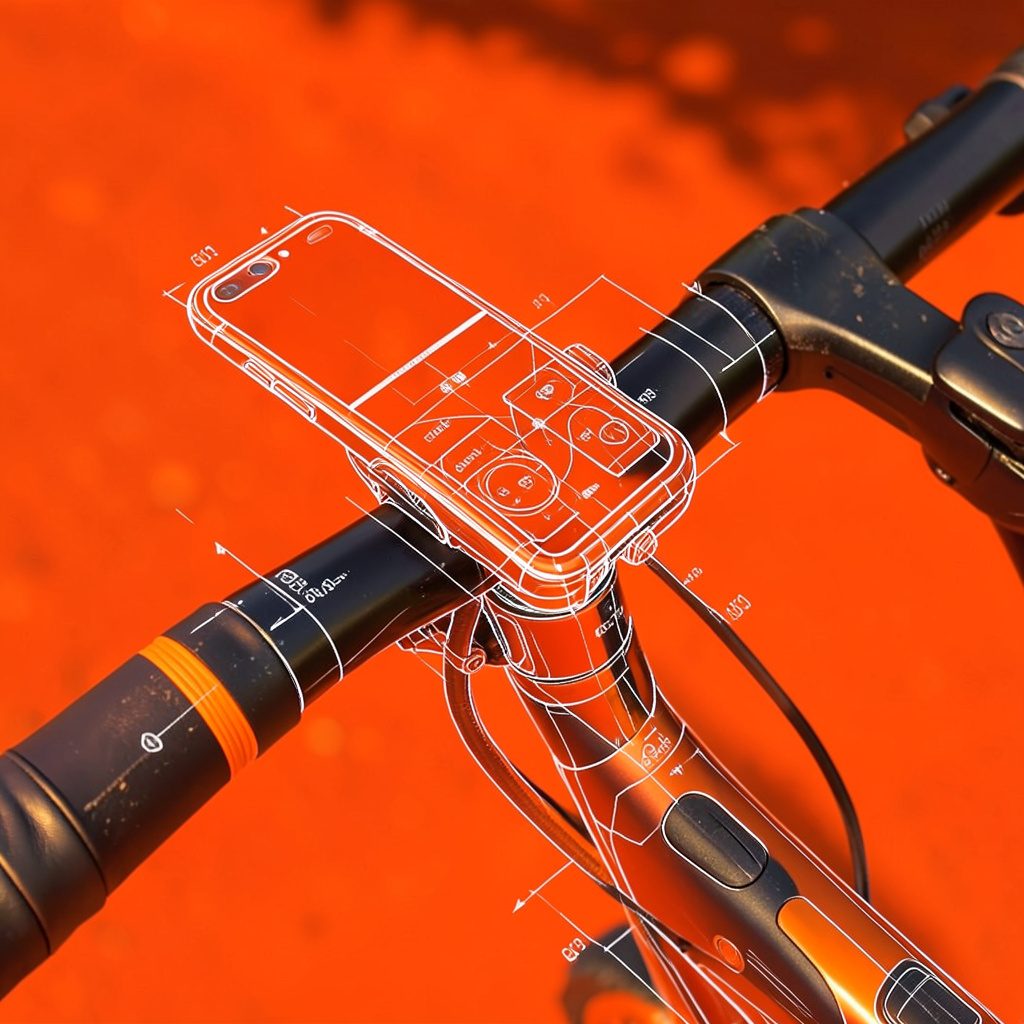 Bike Gear
 Audio
Audio Microphones
 Batteries
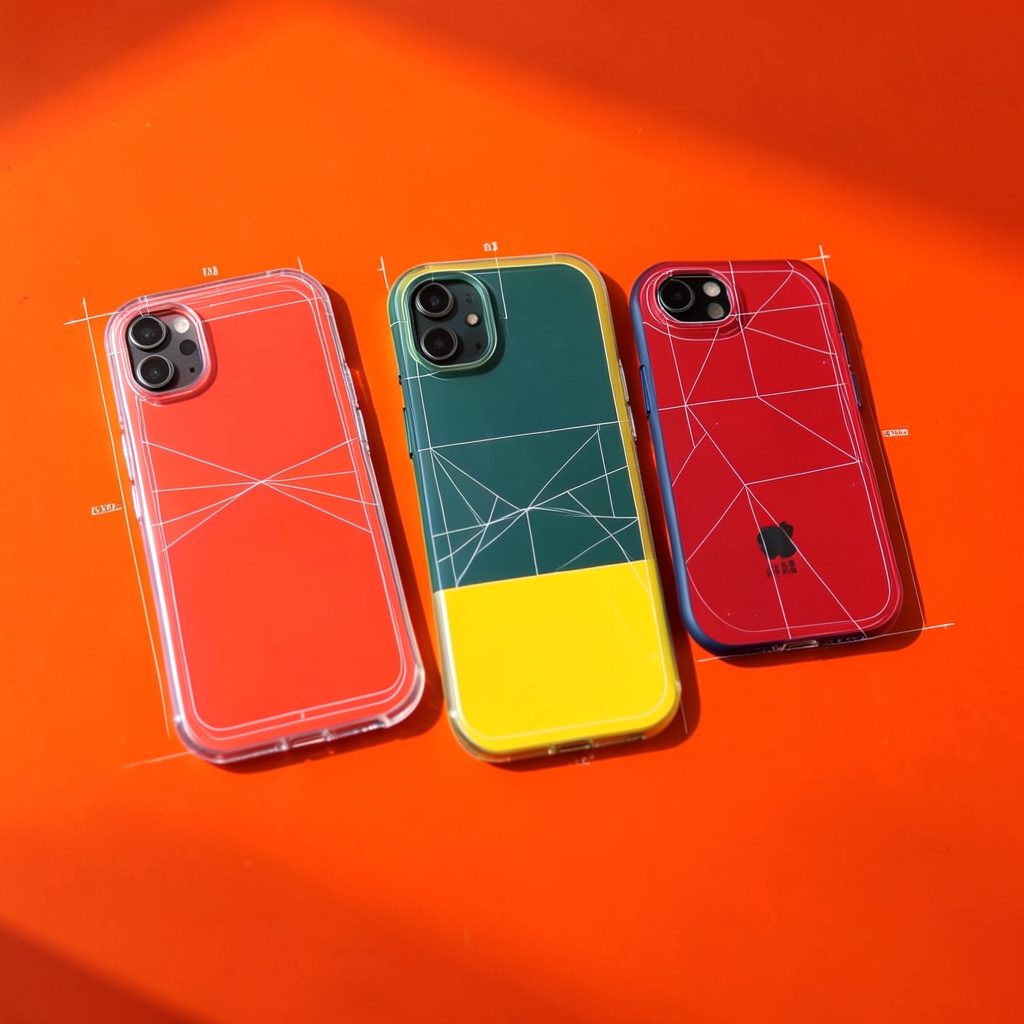 Phone Cases
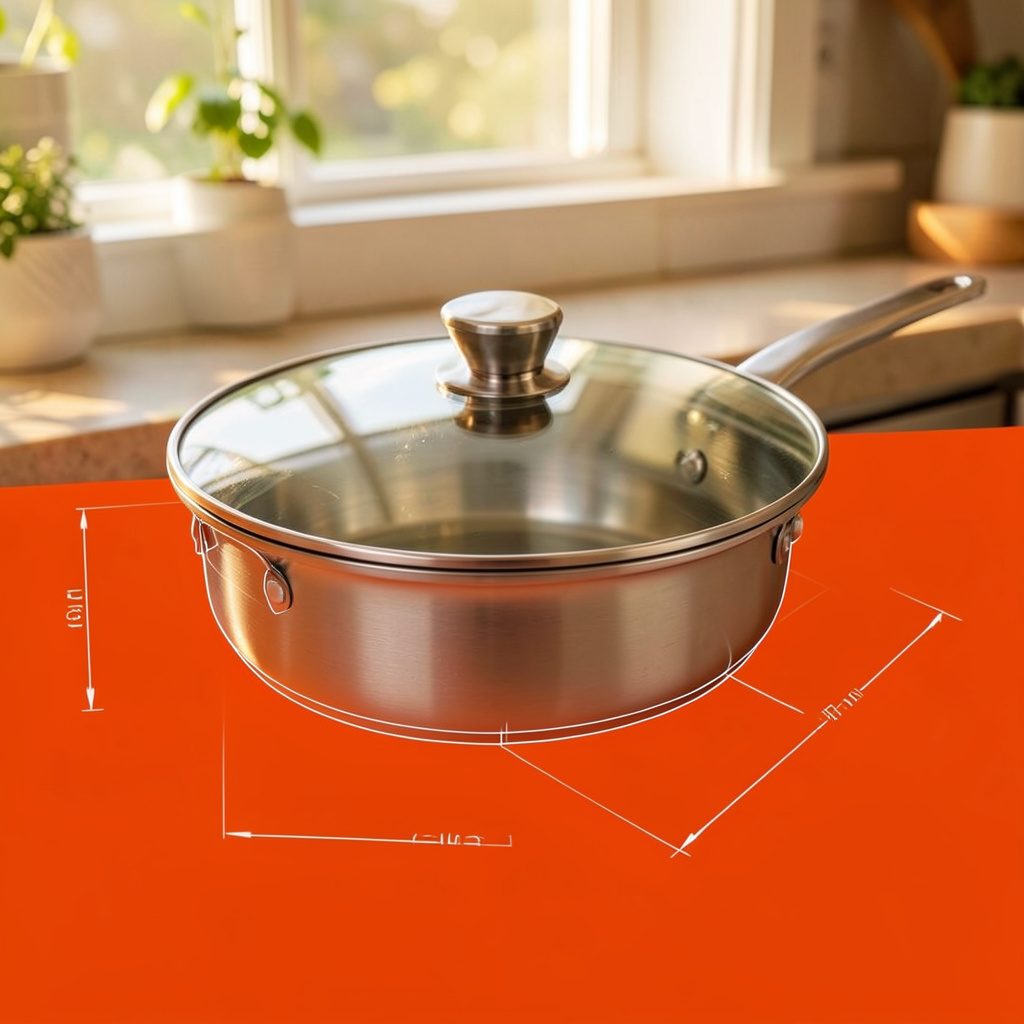 Kitchen
Why Readers Trust Symfonycamp
- Curated top-10 lists with clear ratings for every product
- Reviews grounded in real product features and user feedback
- Categories spanning electronics, kitchen, audio, and accessories
- Direct links to check current prices and availability
- Published articles dating back to April 2022
- Ratings as high as 9.9 for standout products

Ready to Find Your Next Great Purchase?


Featured Review: Best Bike Phone Mount from Andobil
Published July 1, 2022 — our detailed breakdown of Andobil bike phone mounts covers military-grade stability, anti-shake technology, and compatibility with iPhone and Samsung Galaxy series. Top-rated models scored up to 9.9.
Read the ReviewLatest Top-Rated Picks

Best Bluetooth Headphones for iPod Nano
View Picks
Best Blue Yeti Microphones for ASMR
View Picks
Best Frying Pans with Lids
View PicksCompact Binoculars Built for Bush Walks and Birding
Nothing beats a pocket-sized pair of bins halfway up a steep ridge when a squadron of yellow-tailed black cockatoos wheels overhead. The right compact pair disappears into a chest pouch, pulls out in a heartbeat, and turns a fleeting glimpse into a lasting memory. Whether you are scanning a flowering grevillea for wattlebirds in the Daintree or watching crimson rosellas flit through the Blue Mountains, the right optics make every bushwalk more rewarding.
Cheap compacts let plenty of people down, though. Image fringing, sluggish focus, and fogged-up barrels after a damp morning can ruin a day in the field. This guide walks through what to look for, what to skip, and which models have earned solid reputations among Aussie hikers and twitchers. The aim is to help you spend your hard-earned dollars on a pair you will actually reach for at the start of every arvo hike.
Why Compact Bins Outperform Bigger Models on Australian Tracks
The case for compact binoculars is simple: you will actually carry them. A full-size 10x50 pair delivers glorious light gathering but weighs half a kilo, eats pack space, and ends up left at camp when you spot a soaring wedge-tailed eagle on the climb. A 25mm or 32mm objective compact slips into a jacket pocket or belt pouch and weighs about as much as a muesli bar. On the narrow, root-strewn tracks of the Otways or the steep climbs of the Larapinta Trail, every gram matters, and the smaller chassis makes a real difference over a long day.
There is a trade-off, of course. Smaller objective lenses gather less light, which matters in the dusky pre-dawn hours when so many of Australia's elusive species move around. Modern compacts have largely closed that gap with high-transmission coatings and BAK-4 prisms, so the difference between a 32mm compact and a full-size 42mm is smaller than most buyers expect. For daytime birding in open eucalyptus woodland, the gap is barely worth mentioning.
Practicality aside, compacts also let you keep one hand on a walking pole or on the kids while still glassing the canopy. On family walks through Lamington National Park, that flexibility often matters more than a few extra millimetres of light.
Optical Specs That Matter for Australian Wildlife
Magnification and objective diameter get all the marketing attention, but several quieter numbers deserve attention too. The exit pupil, calculated by dividing the objective diameter by magnification, gives a quick read on low-light performance. Around four millimetres is the sweet spot for dawn and dusk sessions without leaving the bins bulky. Anything below three starts to feel dim when a brush-tailed possum or a tawny frogmouth appears in the failing light.
Field of view is equally important for spotting fast-moving birds in dense cover. Look for at least 110 metres at 1000 metres for an 8x pair, which gives enough sweep to follow rainbow lorikeets tearing through a flowering gum. Close focus, sometimes overlooked, decides whether you can study a fairy-wren feeding nestlings just two metres from your feet. Anything under two metres opens up a world of detail usually hidden from birders with bulkier rigs.
ED glass reduces colour fringing around high-contrast edges, which matters when a sulphur-crested cockatoo perches against a bright sky. Fully multi-coated lenses are not optional at this price tier - they boost contrast and tame flare on those bright midday walks where the sun reflects off rock surfaces. The practical outdoor gear guides cover the physics behind each spec in more depth for readers who want the full picture.
Build Quality and Weather Resistance in Aussie Conditions
The bush does not treat gear kindly. A sudden coastal squall at Wilsons Promontory, a sideways drizzle in Tasmanian forest, or the fine red dust of the Flinders Ranges can all find their way into a binocular body. Quality compacts use nitrogen purging to keep internal surfaces fog-free when temperatures swing between a cold ridgeline and a warm lowland. Look for that detail in the spec sheet - it tells you the manufacturer trusted the build.
Rubber armouring matters for both grip and shock absorption. A good textured sheath gives traction when your hands are cold or wet, and the rubber layer spreads the force of a knock if you accidentally tap a granite boulder. Most reputable pairs feel reassuringly dense, even at this size, and the armour protects the focusing mechanism underneath from grit.
If you often find yourself on overnight hikes or joining dawn chorus walks in places like the Grampians, a waterproof rating (usually expressed as IPX7) is worth the extra cost. Waterproofing goes hand in hand with nitrogen filling and protects the optics from accidental dunks at river crossings or during a sudden downpour on a Three Capes Track traverse.
Comfort, Focus, and Handling on Long Walks
The old-school centre focus wheel has merit, but for fast target acquisition many modern compacts pair that with an individual eyepiece dioptre for sharper fine-tuning. Personal preference wins here - try both if you can in a store. For those who wear glasses, twist-up eyecups with multiple click positions keep the whole field visible without pressing frames against the lenses.
Eye relief, the distance from the eyepiece to your eye at which you see the full image, decides whether glasses wearers enjoy a wide view or see only the centre of the picture. Anything over 15mm suits most prescription lenses. Those who wear sunglasses for glare at the coast benefit from longer eye relief still.
Weight and balance matter more than spec sheets admit. A 280-gram pair feels featherlight at the start of a six-kilometre loop but starts to pull on a jacket pocket by the final kilometre. A harness-style strap distributes the load across the shoulders and keeps the bins still on the chest during uneven ground. Small touches like a one-handed strap attachment and wide webbing can elevate a humble compact into a tool you never forget to grab before heading out. If you are a hiker who also pedals to the trailhead, the same design priorities apply to choosing lighting for night commuting.
Price Tiers and Where to Find Them Down Under
Compact binoculars split into three rough tiers in Australia. The budget end sits around 60 to 120 AUD and covers decent starter pairs from brands like Tasco and entry-level Bushnell lines. These are fine for casual use but often show a magenta or yellow tint around high-contrast edges and can struggle with low light. The mid-range runs roughly 200 to 450 AUD and includes workhorse models from Nikon, Olympus, and several premium lines of Bushnell and Vortex. This is where most Australian birders land - solid optics, reliable construction, and warranty support that holds up at retailers like Anaconda, BCF, and the specialty stores in capital cities. Vortex's VIP lifetime warranty in particular translates well to Aussie conditions.
Premium compacts from Swarovski, Leica, and Zeiss start around 1000 AUD and climb well past 2000 AUD. They deliver stunning optics, but most weekend hikers will not notice a meaningful difference between a 500 AUD pair and a 1500 AUD pair except in dim dawn light or at long ranges. Spend where the optical gains actually matter to your viewing style. Across many consumer gear categories, the same disciplined shopping approach pays off, which is why a careful look at budget gaming mice picks reveals a lot about the difference between practical engineering and flashy branding.
Features Worth Looking For
- BAK-4 prisms for brighter, sharper images than the cheaper BK-7 alternative
- Fully multi-coated lenses across every glass surface, not just the outer ones
- Phase correction coatings on roof-prism models for cleaner contrast
- Threaded eyelets at the strap lugs for fitting neoprene or floating straps
Common Pitfalls to Avoid
- Magnification above 10x on a compact body, which makes hand shake unbearable
- Bright shiny rubber armour that picks up scratch marks and glare in open country
- Plastic focus wheels that feel loose after a season of damp mornings
- Pairs without rubber sealing that fog the moment the sun pops behind a cloud
Field Testing Notes from Local Spots
A morning near the Daintree rainforest is a punishing test for any binocular. The air hangs thick with moisture, light filters green through layered canopy, and birds move in sudden bursts between trees. A compact with strong close focus scores instant points here, as does one that resists fogging when you step out of humid undergrowth into a brighter clearing. Mid-tier models in the 400 to 600 AUD range tend to earn their keep in these exact conditions.
By contrast, open heathland in the You Yangs or the coastal cliffs near Apollo Bay rewards wide field of view and good edge sharpness. Pairs that hold detail right out to the edges of the image help locate small birds against cluttered backgrounds of grass and shrubs. The trade-off between weight and aperture tilts towards larger objectives here, but a 32mm compact still serves a long day out.
Early starts on the Larapinta and the Three Capes Track favour the brighter compact models with ED glass, where the difference between mid-tier and premium becomes visible. Those chasing wedge-tailed eagles in thermal currents often want every scrap of contrast they can get, and the upgrade pays off across hours of scanning grey-blue desert sky.
The right compact binocular punches well above its size, disappears into a pocket, and earns its keep on every walk. Choose for clarity first, weight second, and brand reputation a close third - then you will find yourself reaching for them every time a bird calls somewhere in the canopy.