Curated reviews and top-rated picks across electronics, kitchenware, phone accessories, and more.
Get a Free Quote




Trusted Product Reviews Since 2022
Symfonycamp publishes carefully researched product recommendations across categories including home electronics, kitchen, phone accessories, audio gear, and more. Each article highlights top-rated items with detailed ratings and direct links to learn more.
Explore Reviews

Our Review Categories
Explore top-rated products across every category we cover
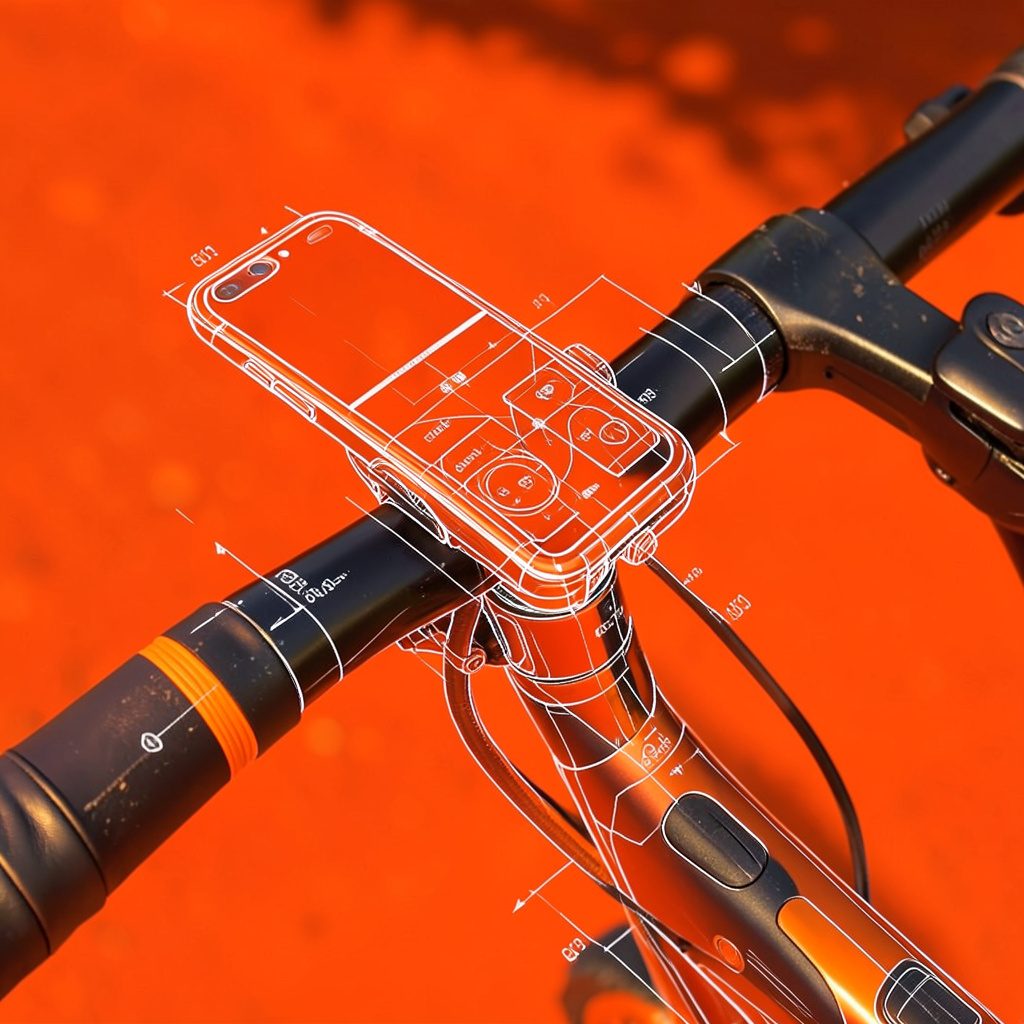 Bike Gear
 Audio
Audio Microphones
 Batteries
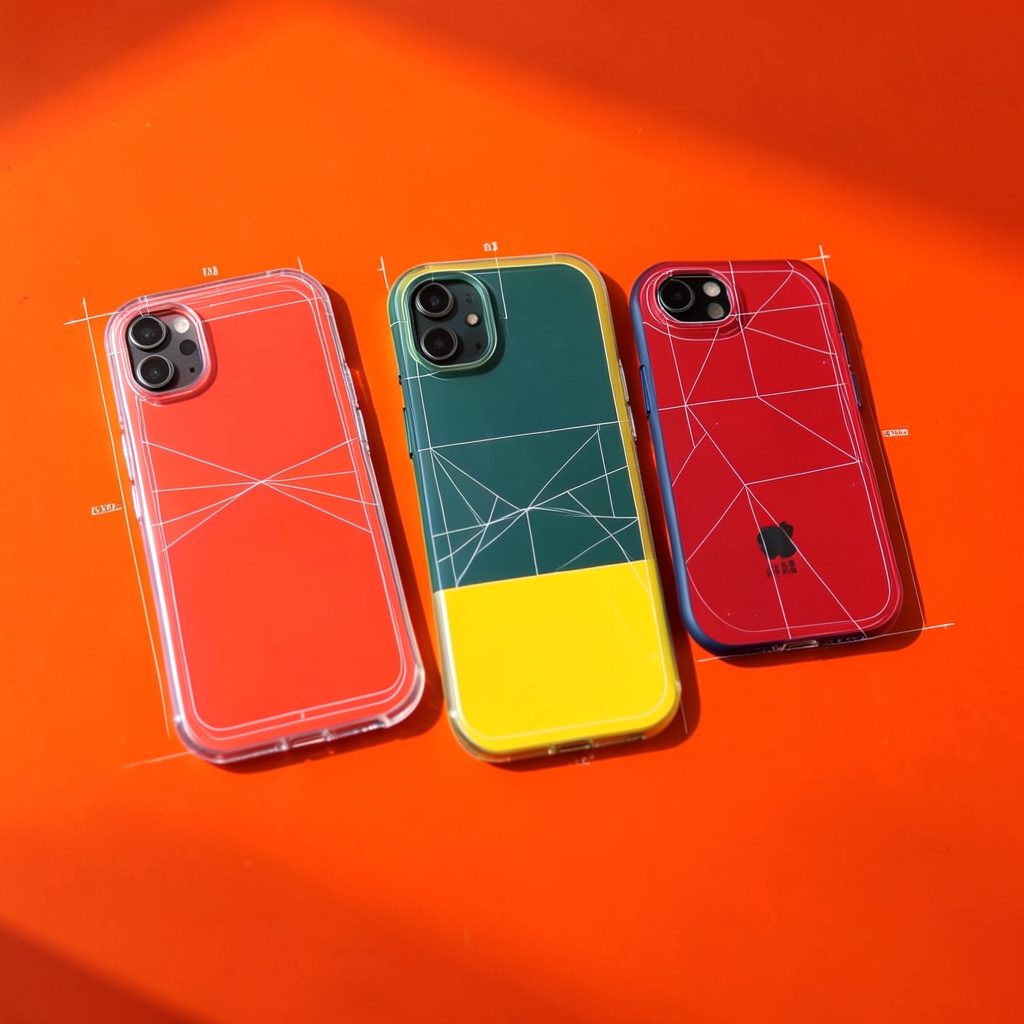 Phone Cases
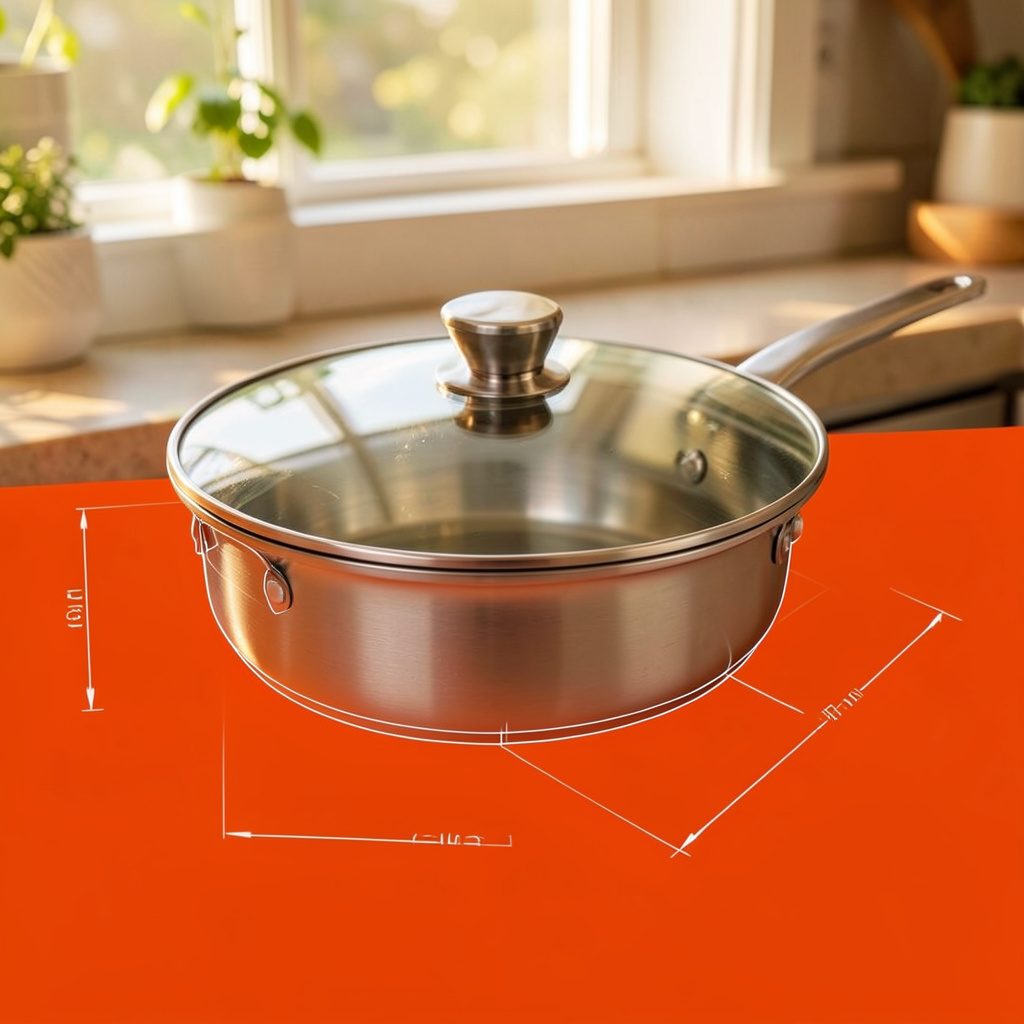 Kitchen
Why Readers Trust Symfonycamp
- Curated top-10 lists with clear ratings for every product
- Reviews grounded in real product features and user feedback
- Categories spanning electronics, kitchen, audio, and accessories
- Direct links to check current prices and availability
- Published articles dating back to April 2022
- Ratings as high as 9.9 for standout products

Ready to Find Your Next Great Purchase?


Featured Review: Best Bike Phone Mount from Andobil
Published July 1, 2022 — our detailed breakdown of Andobil bike phone mounts covers military-grade stability, anti-shake technology, and compatibility with iPhone and Samsung Galaxy series. Top-rated models scored up to 9.9.
Read the ReviewLatest Top-Rated Picks
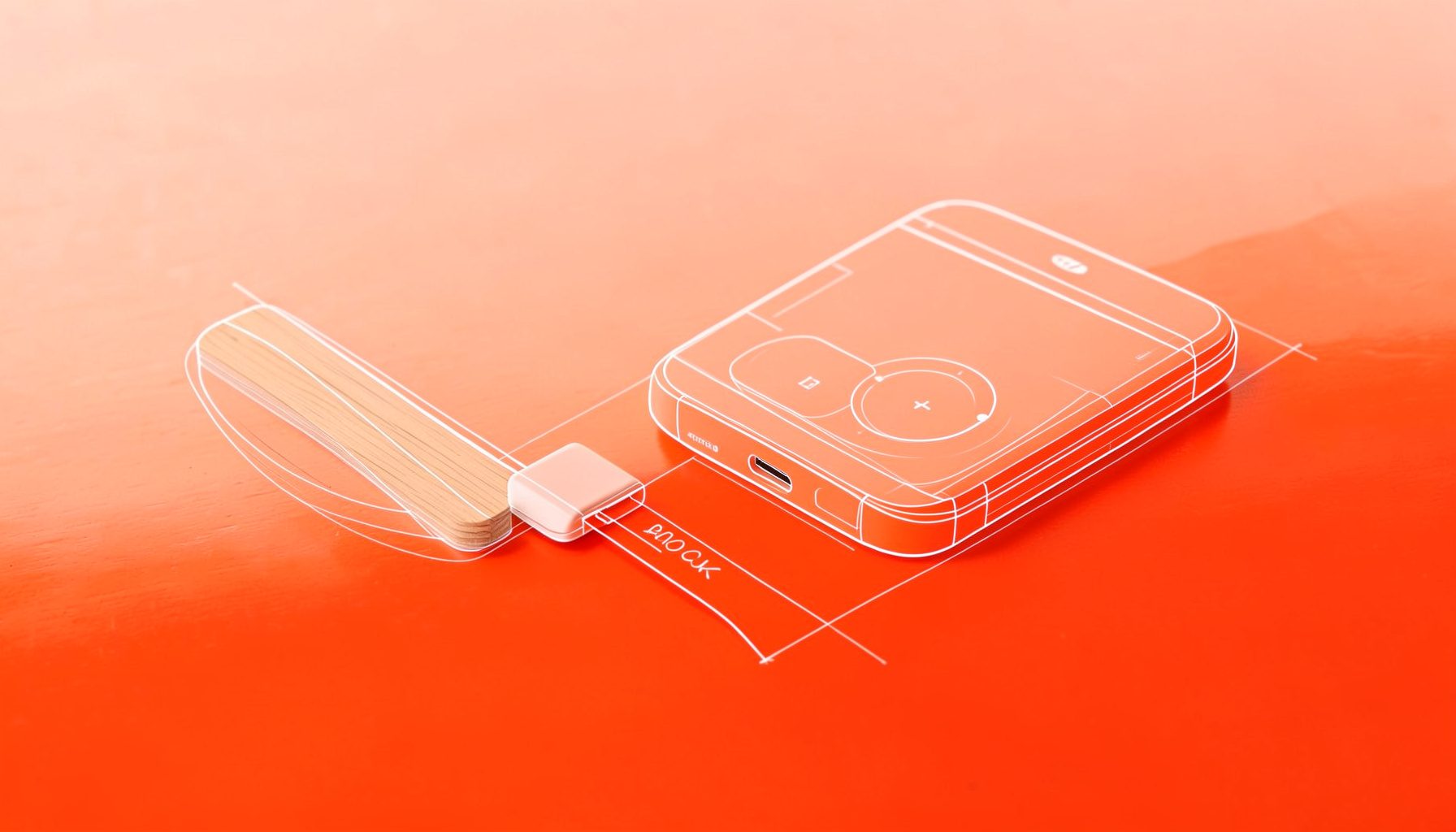
Best Bluetooth Headphones for iPod Nano
View Picks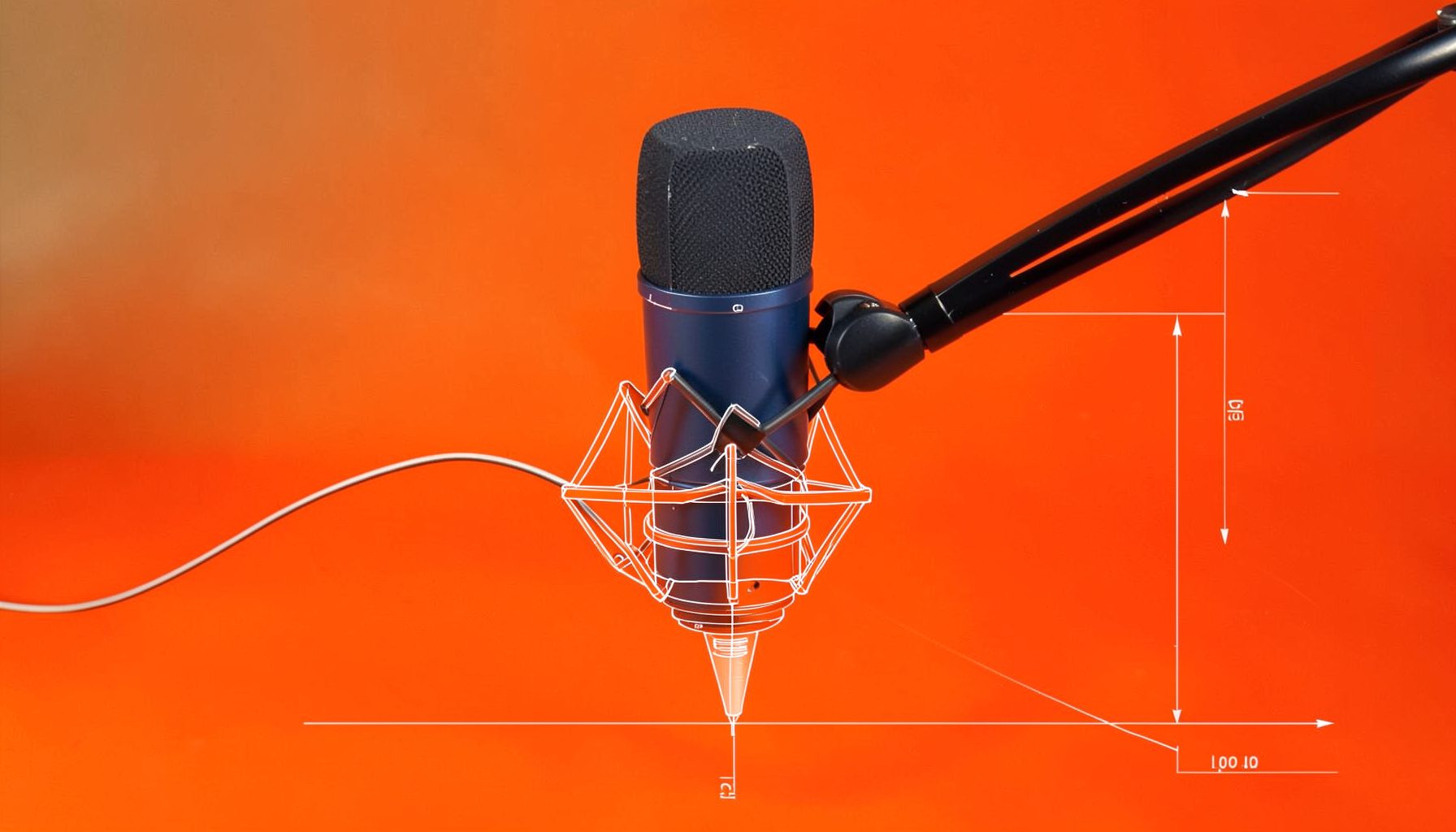
Best Blue Yeti Microphones for ASMR
View Picks
Best Frying Pans with Lids
View PicksThe Best Action Cameras for Hiking and Backpacking Adventures
A good action camera turns a long walk into more than a folder of shaky clips. It can capture a sunrise over the Flinders Ranges, a muddy mountain-bike detour near Bright, or a coastal track where the wind is loud enough to drown out conversation. For hikers and backpackers, the best model needs to be compact, reliable and simple to operate with cold or wet hands.
The leading cameras now combine strong electronic stabilisation, high-resolution video, waterproof construction and useful mobile apps. GoPro remains a familiar choice, while DJI and Insta360 offer serious competition with excellent low-light performance, long battery life and clever reframing tools.
Australian conditions add a few practical complications. Summer heat can shorten recording time, remote trails may have no mobile coverage, and a camera that survives a quick dunk is not necessarily ready for hours of dust, salt spray or alpine weather. The right choice depends on how you travel, what you film and how much equipment you want to carry.
The leading all-rounder for serious hikers
The GoPro HERO13 Black is a dependable choice for walkers who want polished footage, broad accessory support and a proven interface. Its stabilisation is particularly effective on uneven tracks, and 5.3K recording gives plenty of detail for cropping clips into vertical social media videos. It is also an attractive option for people who already own GoPro mounts, chest harnesses or a lightweight trekking-pole attachment.
The main drawbacks are familiar: the camera can become warm during demanding recording modes, and battery performance depends heavily on resolution, frame rate and temperature. Carrying a spare battery is sensible for a full day in the Grampians or along Tasmania’s Overland Track. The HERO13 Black suits users who want a mature ecosystem and do not mind managing a few settings before heading into the bush.
The best choice for battery life and simple operation
The DJI Osmo Action 5 Pro is well suited to backpackers who value endurance and a bright, responsive screen. Its strong battery performance makes it appealing for long days away from a power bank, while its colour and detail remain impressive in changing light. The front and rear displays are handy when recording yourself, particularly for solo hikers who need to frame a walking sequence quickly.
DJI’s menus are straightforward, and the camera feels less intimidating for someone moving up from a phone. It is a strong fit for Australian trips where charging opportunities are limited, such as multi-day walks around Wilsons Promontory or the Larapinta Trail. As with any compact camera, recording in the highest quality continuously will reduce runtime, so short clips are more efficient than leaving it running for every kilometre.
The best option for 360-degree trail footage
The Insta360 X4 offers a different approach by recording a spherical view that can be reframed later. This is useful when a hiker wants to keep walking rather than repeatedly stop to adjust the camera. A long selfie stick can often be removed from the final image, creating the impression that the camera is floating above or beside the trail.
There is a learning curve. Editing 360-degree footage takes more storage, processing power and patience than trimming standard video, and the exposed lenses need careful protection in a pack. Still, the X4 is excellent for scenic look-backs, group walks and creative views of ridgelines. It is particularly entertaining on open trails around the Blue Mountains, where the surrounding landscape matters as much as the person holding the camera.
When low light and audio matter most
The Insta360 Ace Pro 2 is a compelling pick for hikers who film at dawn, dusk or beneath a forest canopy. Its large sensor and low-light processing can preserve more atmosphere than many small action cameras, while the flip-up screen helps with talking-to-camera footage. That makes it useful for trip reports, campsite updates and walking videos where voice is part of the story.
Audio quality remains a weak point for most waterproof cameras when the wind starts howling across a ridge. An external microphone can improve speech, but it adds cables, mounts and another item to protect from rain. In exposed Australian locations, a small furry windscreen and careful positioning may matter more than selecting a camera with the highest headline resolution. Advice on compact recording equipment can also overlap with broader accessory guidance, including these iPod accessories for travellers organising older audio devices and portable media gear.
Features that matter on Australian trails
Water resistance is essential, but its rating should be treated as a starting point rather than an invitation to ignore care instructions. Salt water, fine sand and repeated temperature changes can affect doors, seals and microphones. Rinse the camera with fresh water after coastal trips, check that the battery compartment is clean, and use a protective case when scrambling over rock.
Stabilisation, lens protection and fast startup are usually more valuable than extreme frame rates. A 4K clip at a sensible frame rate may be easier to store and edit than massive high-frame-rate files. GPS overlays can be useful for route memories, although they increase power consumption and may be less reliable in narrow valleys. On a hot Queensland day, keeping the camera shaded between shots can help prevent thermal shutdown.
How to choose the right setup
Think about the way the camera will be carried before choosing a model. A shoulder-strap clip keeps the lens available for spontaneous scenes, while a chest mount gives a more immersive walking perspective. A short grip is useful for campsite filming, but it can become awkward on steep terrain. Whatever the mount, attach a small tether; losing a camera over a lookout edge is an expensive mistake.
Storage and power deserve equal attention. Use reliable microSD cards with enough capacity for several days, and carry at least one spare battery or a compact power bank. In remote areas such as the Kimberley or parts of Western Australia, assume that a shop, charger and replacement card are unavailable when you need them. Keep batteries warm in a pocket during cold alpine mornings, and protect the power bank in a waterproof pouch.
Practical buying guidance for different budgets
The GoPro HERO13 Black is the safest premium recommendation for users who want an established system, dependable stabilisation and a large range of mounts. The DJI Osmo Action 5 Pro is a better match for many travellers who prioritise battery life, easy handling and strong everyday image quality. The Insta360 Ace Pro 2 deserves attention from vloggers and low-light shooters, while the X4 is the creative choice for reframable 360-degree video.
Budget shoppers should consider an older flagship rather than an unknown low-cost model. A previous-generation GoPro or DJI camera can still produce excellent hiking footage, especially when paired with a fresh battery, a quality memory card and a secure mount. Buyers who also record night drives may find the principles in this dash cam guide useful when comparing low-light image quality, glare control and practical recording features.
For most Australian hikers, the best balance is a current DJI or GoPro model with one spare battery, a 128GB or 256GB high-endurance card, a lens protector and a simple shoulder or chest mount. Choose the X4 when creative 360-degree framing is the priority, and choose the Ace Pro 2 when low-light scenes and spoken footage matter most. The practical rule is simple: buy the camera you will comfortably carry, protect it from heat and water, and record short, deliberate clips rather than filling your storage with hours of trail.