Curated reviews and top-rated picks across electronics, kitchenware, phone accessories, and more.
Get a Free Quote



Trusted Product Reviews Since 2022
Symfonycamp publishes carefully researched product recommendations across categories including home electronics, kitchen, phone accessories, audio gear, and more. Each article highlights top-rated items with detailed ratings and direct links to learn more.
Explore Reviews
Our Review Categories
Explore top-rated products across every category we cover
 Bike Gear
 Audio
 Microphones
 Batteries
 Phone Cases
 Kitchen
Why Readers Trust Symfonycamp
- Curated top-10 lists with clear ratings for every product
- Reviews grounded in real product features and user feedback
- Categories spanning electronics, kitchen, audio, and accessories
- Direct links to check current prices and availability
- Published articles dating back to April 2022
- Ratings as high as 9.9 for standout products
Ready to Find Your Next Great Purchase?


Featured Review: Best Bike Phone Mount from Andobil
Published July 1, 2022 — our detailed breakdown of Andobil bike phone mounts covers military-grade stability, anti-shake technology, and compatibility with iPhone and Samsung Galaxy series. Top-rated models scored up to 9.9.
Read the ReviewLatest Top-Rated Picks
Best Bluetooth Headphones for iPod Nano
View Picks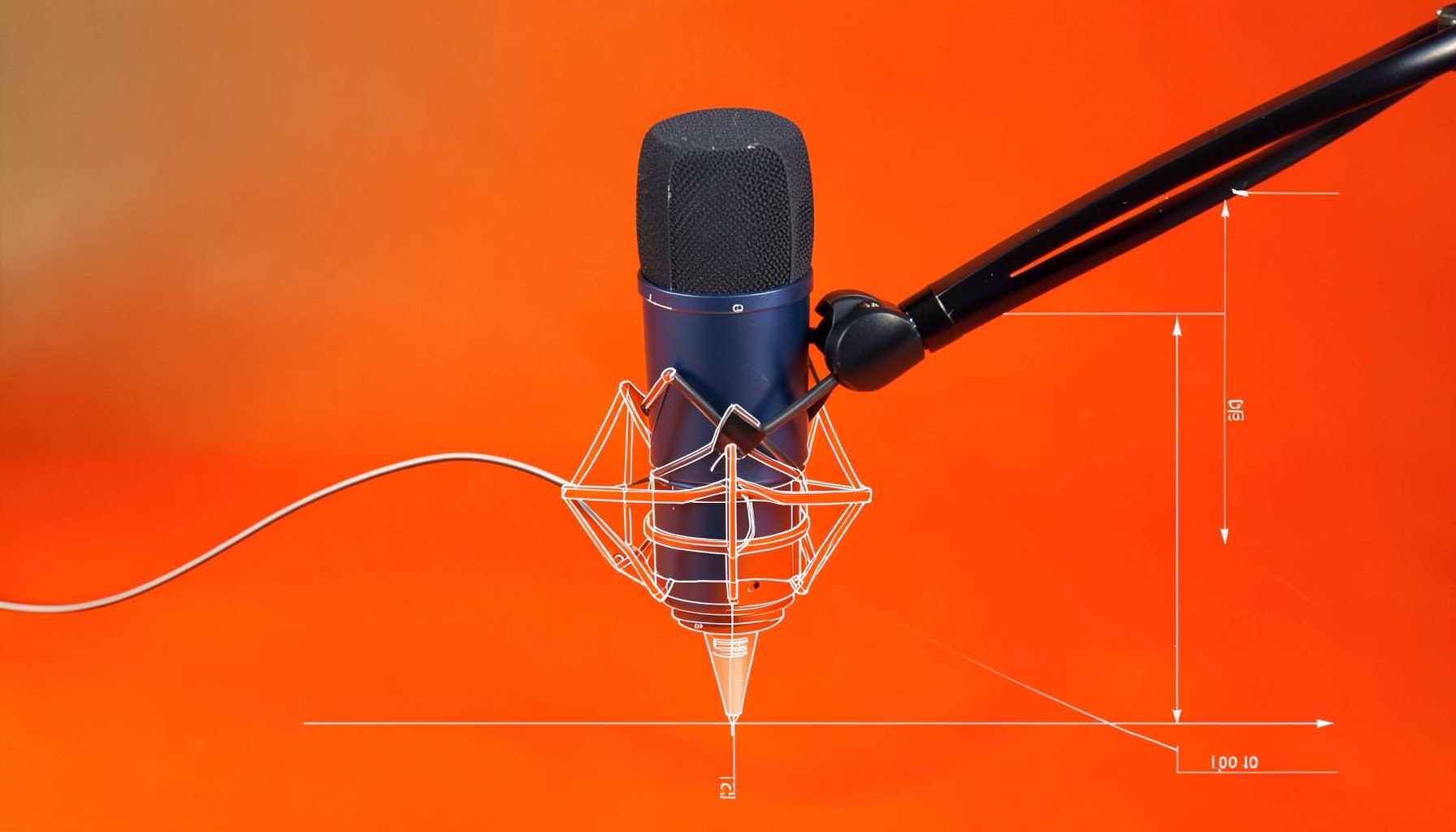
Best Blue Yeti Microphones for ASMR
View Picks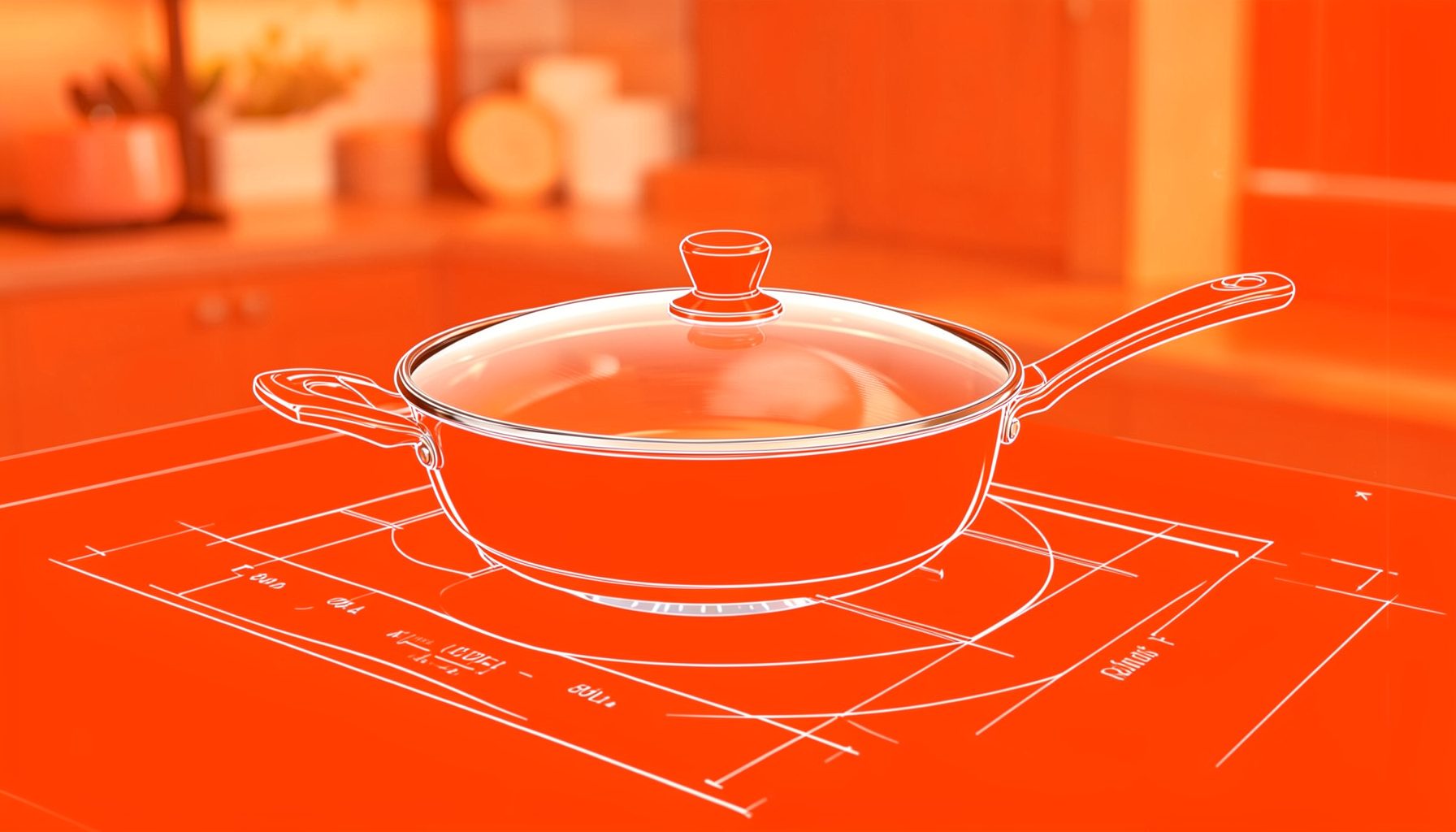
Best Frying Pans with Lids
View PicksThe best fire extinguishers for home kitchens and garages
A kitchen extinguisher must handle hot cooking fat and electrical appliances, while a garage extinguisher may need to deal with timber, paint thinners, fuel and workshop power tools. Australian homes often place open-plan kitchens close to 230-volt outlets, and garages are commonly used for batteries, LPG cylinders and DIY storage. That mix makes room-specific ratings more important than choosing the largest cylinder on the shelf.
The best unit is one that an adult can handle, mount within easy reach and use without blocking the only escape route. Check its pressure, hose, pin and instructions before a fire. If flames are spreading rapidly, smoke is dense or the extinguisher does not put the fire out immediately, leave, close the door behind you and call Triple Zero on 000.
Choose the agent before the size
Australian extinguisher labels use fire classes to show what a unit is designed to suppress. Class A covers paper, wood and textiles; B covers flammable liquids such as paint and solvent; C covers flammable gases; E covers energised electrical equipment; and F covers cooking oils and fats. A rating such as 2A:10B:3E:F therefore reveals more than a vague “multi-purpose” claim because it exposes the limits of the tested protection.
Ratings are not interchangeable. Water can control many Class A fires away from live power, but it must never be sprayed at cooking oil, hot grease or energised electrical equipment. A fire blanket or lid can control a small pan fire when the operator has practised, yet it cannot protect the room once flames reach walls or overhead cupboards. An extinguisher should be a first-response tool, not a reason to delay leaving.
Most home models rely on water, a special kitchen wet chemical, dry powder, carbon dioxide or water mist. Each trades off knock-down speed, cooling, residue and weight. Choose the agent shown on the label for the most credible risk, then match capacity to the room rather than buying by cylinder size alone.
Kitchen models for Australian cooking risks
A 2–2.5 litre wet-chemical extinguisher with Class A, B, E and F coverage is the most sensible kitchen choice. Wet chemical cools and smothers burning oil, helping prevent reignition on a worktop. Look for a legible Australian rating, a gauge that can be checked while holding the handle, a clear hose path and instructions that are readable without glasses.
For a second layer of protection, a 1–2 kg multipurpose dry-powder unit can suppress many small kitchen fires, provided its label includes Class F. It works quickly and is easy to find near an exit, but powder settles into drawers, appliances and electronics and can reduce visibility during discharge. Keep it separate from any wet-chemical unit, never test it and never direct it at a person.
CO2 is mainly useful for isolated electrical equipment in a ventilated garage, not as a kitchen default. It leaves no residue, but its horn becomes extremely cold and the gas can create an asphyxiation risk in a small room. Water mist is also clean and suited mainly to Class A and E fires, making it useful in finished spaces but unsuitable for paint, solvent or grease.
Garage models for mixed hazards
A 4–4.5 kg multipurpose dry-powder extinguisher rated 4A:60B:3E is the strongest general garage pick. It offers more useful capacity than a kitchen unit for timber, workshop clutter and flammable liquids while retaining electrical protection. A larger B rating indicates greater tested coverage, although the cylinder must still be manageable for the people expected to use it.
Garage fuel risks need special care. BBQ bottles and LPG cylinders should remain upright, shaded and in an approved outdoor storage arrangement; spare cylinders should never be kept inside the shed. Lithium-ion battery fires can produce toxic gases and may reignite, so an ordinary powder unit is not a reason to remain in a smoky garage. Isolate power or gas only if it can be done from a safe position.
In crowded homes around Melbourne, Sydney and Brisbane, garages often double as overflow luggage rooms. Before a flight, this long-haul travel guide may help a traveller choose a compact neck pillow instead of adding another bulky item to storage; stored luggage must still remain clear of batteries, thinners, heaters and hot-work areas.
Placement for real Australian homes
Position the kitchen unit between the cooking zone and an exit, not directly above the stove, beside the sink or behind a door that might be open during an emergency. In a garage, mount a full-size model beside a side door or clear route to the outside. A smaller garage unit should be highly visible and immediately available without becoming an obstacle to moving tools or equipment.
Australian housing ranges from high-rise flats and compact townhouses to detached homes and granny flats in suburban areas. A unit should be mounted within reach, with its pin immediately accessible and its top no higher than the manufacturer recommends. Use a bracket rather than the floor, and keep it away from direct sun, heaters and temperatures outside the label’s operating range.
Specifications that separate useful units
Check that the label cites AS 1315 suitability and that the supplied manual identifies the agent, fire classes, operating temperatures and restrictions. Compliance language should be specific and verifiable; a CE mark alone does not establish Australian suitability. Inspect the cylinder for dents, corrosion or paint damage, confirm the gauge is in the operating range where fitted, and make sure the pin, tamper seal, hose and nozzle are present.
Weigh the trade-off between capacity and control. A 4.5 kg cylinder can discharge for less time than its size suggests and is difficult for some adults to aim accurately. A 1 kg unit that can be lifted and used calmly may be more valuable in a kitchen than an oversized model kept for emergencies alone. Compare replacement cost, warranty and local servicing rather than relying only on advertised discharge duration.
Service, rules and local expectations
Smoke alarms provide warning, while extinguishers provide immediate control of a small fire. State and territory laws differ, and exact placement, deadlines and landlord or tenant duties vary; NSW, for example, requires smoke alarms in every dwelling, with detailed rules beyond that basic requirement. Check current guidance from the relevant state fire service or council instead of relying on an old rulebook.
Private household units are not covered by one national portable-extinguisher service interval. A shared workshop, small business or strata-managed commercial garage can fall under workplace health and safety duties, so its fire protection provider should inspect, maintain and tag equipment under AS 1855 at the required intervals. Commercial kitchens may need a higher-grade unit or fixed suppression system; household packaging is not a substitute for a compliant commercial design.
Readers seeking a second perspective can consult this household safety resource, while official advice from the relevant state fire service should take priority. In bushfire-prone districts, Fire Danger Ratings, Total Fire Bans and emergency warnings shape daily habits. A domestic extinguisher is not designed to defend a house from advancing bushfire, making escape preparation, official alerts and early departure more important.
Best-value choices by room
The Australian market is broad: Bunnings, Homebase, Mitre 10 and major online marketplaces commonly stock domestic dry powder, wet chemical and CO2 models, often with prices shown in Australian dollars. Compare the complete Australian specification, included bracket or stand, hose length and servicing availability. An unfamiliar marketplace listing with no clear compliance statement, warranty or replacement path offers poor value even when the checkout price is low.
For a compact Australian kitchen, the practical pick is a 2–2.5 litre wet-chemical unit with suitable A, B, E and F ratings. For a suburban garage, choose a 4–4.5 kg 4A:60B:3E multipurpose powder unit that an adult can handle. A finished office or workshop with predominantly electrical risks can justify a 2 kg CO2 or suitable water-mist unit, provided ventilation, training and escape clearance are adequate. These use-specific choices outperform one expensive cylinder forced into every room.
Choose and mount the extinguisher before a fire, not during it. The primary unit should match the room’s dominant fuel, remain reachable, stay within its temperature limits and have a readable Australian label; secondary protection should never obstruct the exit. Practise the PASS sequence—Pull, Aim, Squeeze, Sweep—through supervised training and discard any damaged, corroded or previously discharged unit.
The safest useful combination for many Australian homes is wet-chemical protection in the kitchen, a multipurpose powder unit by the garage exit, working smoke alarms and a clear route outdoors.