Curated reviews and top-rated picks across electronics, kitchenware, phone accessories, and more.
Get a Free Quote



Trusted Product Reviews Since 2022
Symfonycamp publishes carefully researched product recommendations across categories including home electronics, kitchen, phone accessories, audio gear, and more. Each article highlights top-rated items with detailed ratings and direct links to learn more.
Explore Reviews
Our Review Categories
Explore top-rated products across every category we cover
 Bike Gear
 Audio
Audio Microphones
 Batteries
 Phone Cases
 Kitchen
Why Readers Trust Symfonycamp
- Curated top-10 lists with clear ratings for every product
- Reviews grounded in real product features and user feedback
- Categories spanning electronics, kitchen, audio, and accessories
- Direct links to check current prices and availability
- Published articles dating back to April 2022
- Ratings as high as 9.9 for standout products
Ready to Find Your Next Great Purchase?

Featured Review: Best Bike Phone Mount from Andobil
Published July 1, 2022 — our detailed breakdown of Andobil bike phone mounts covers military-grade stability, anti-shake technology, and compatibility with iPhone and Samsung Galaxy series. Top-rated models scored up to 9.9.
Read the ReviewLatest Top-Rated Picks
Best Bluetooth Headphones for iPod Nano
View Picks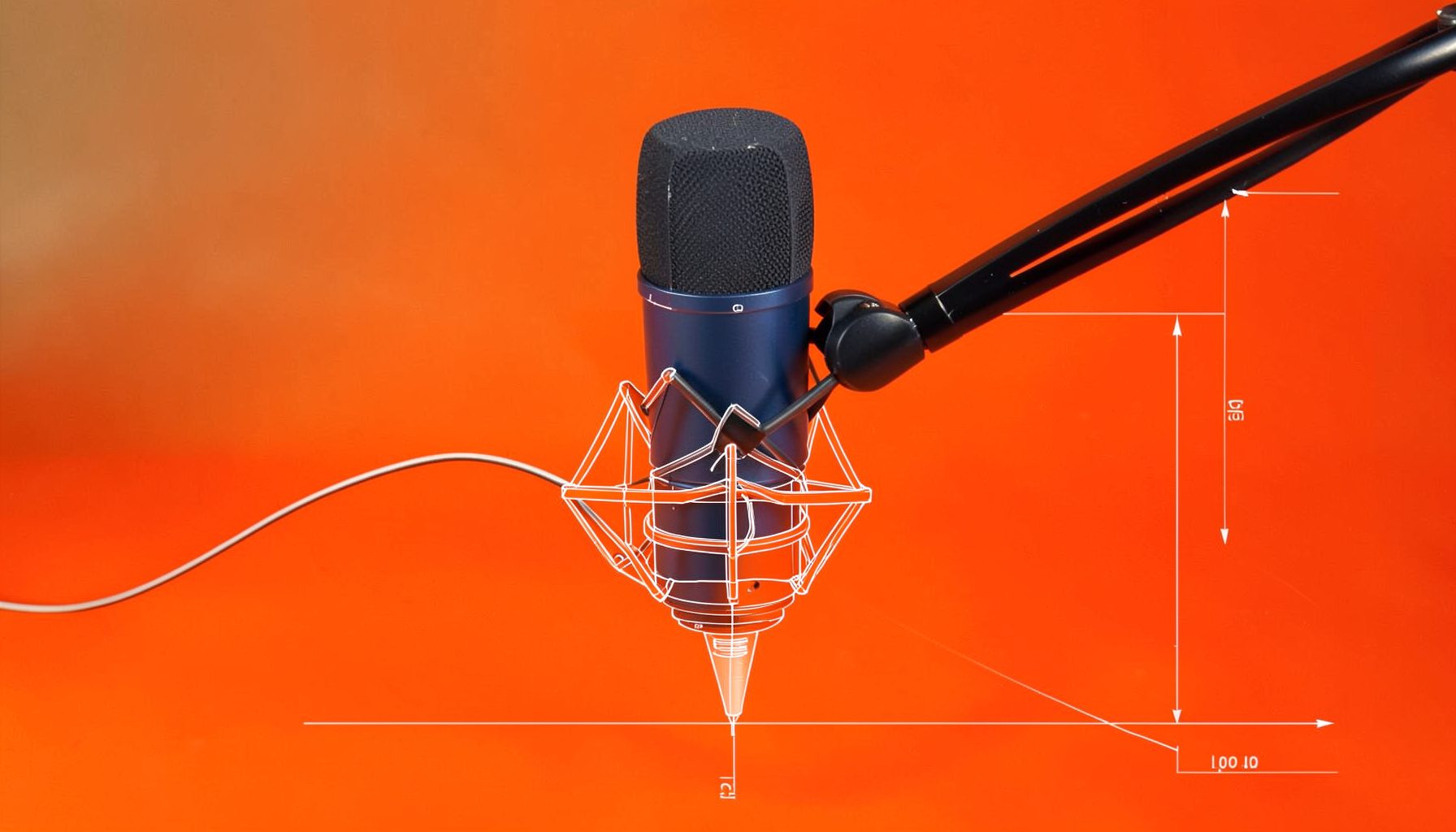
Best Blue Yeti Microphones for ASMR
View Picks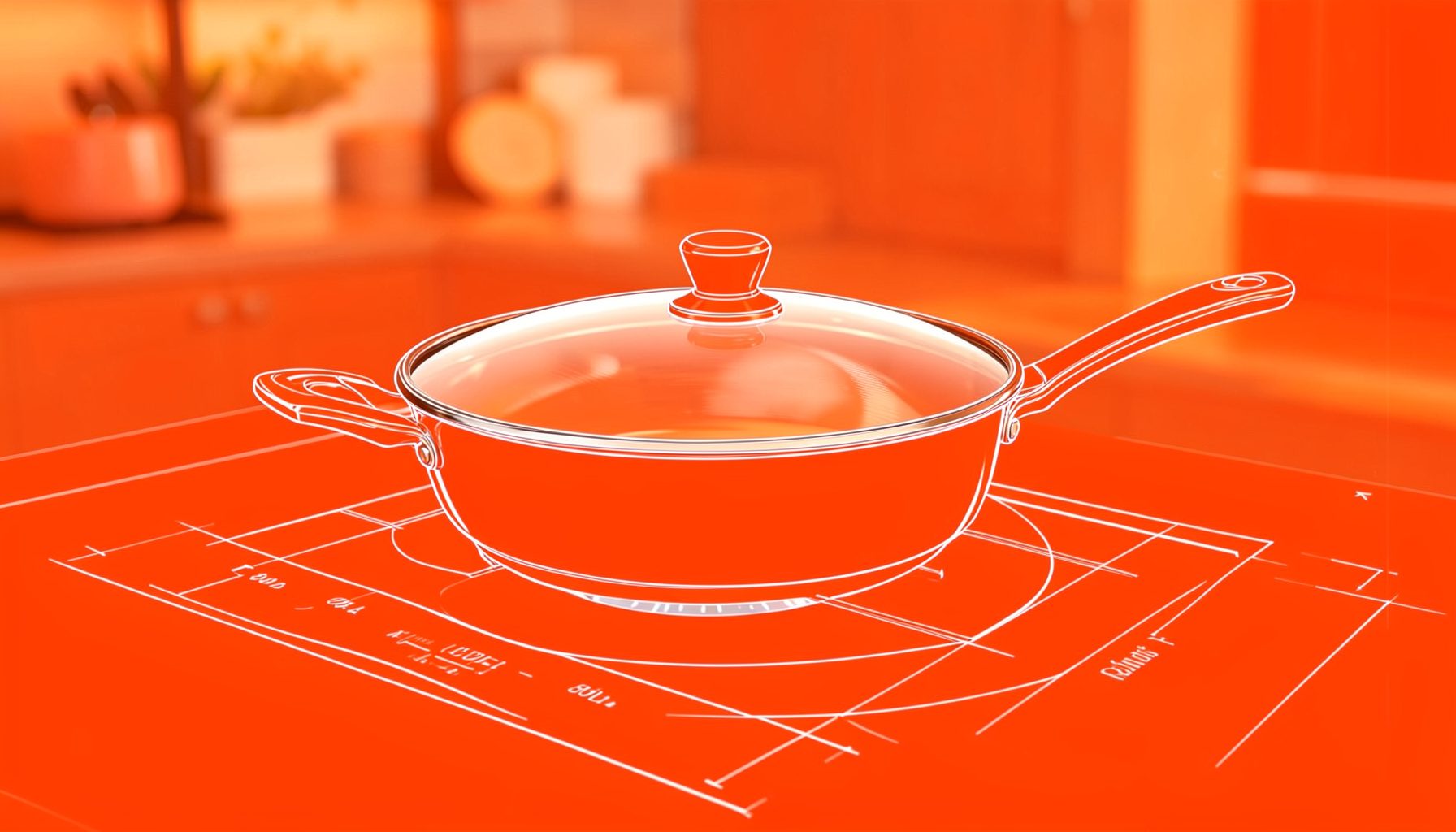
Best Frying Pans with Lids
View PicksBest handheld steamers for wrinkle-free travel outfits
Packing a small steamer used to feel like overkill, but anyone who has arrived in Sydney after a long-haul flight with a creased shirt knows the struggle. Hotel irons are often ancient, missing, or simply not hot enough to flatten a stubborn collar. A handheld steamer slips into a carry-on, heats up in under a minute, and leaves fabrics looking fresh without an ironing board.
Across Australia, business travellers flying between Melbourne and Perth, holidaymakers heading up to Cairns, and FIFO workers packing for site visits all face the same laundry-on-the-go problem. A compact steamer solves it without the bulk of a full-size unit, and the latest models are powerful enough to handle linen, silk, and heavier cotton blends with ease.
Why handheld steamers beat travel irons
The argument for steamers over irons comes down to three things: weight, speed, and fabric safety. A quality handheld unit typically weighs between 700 grams and 1.2 kilograms, light enough to toss in a weekender bag without thinking about it. Travel irons, by comparison, are heavier for the same job and require a flat surface, which is rare in a Brisbane Airbnb or a Perth hotel room with limited bench space.
Steamers also treat delicate fabrics more gently. Rather than pressing hot metal directly onto the weave, they push hot vapour through the fibres, relaxing creases without scorching. That matters for the linen shirts popular in coastal towns and the silk blouses that turn up at weddings in the Barossa Valley. For anyone who has tried to iron a rayon dress in a motel room, the difference is night and day.
Finally, the heat-up time is genuinely faster. Most modern portable steamers are ready to use in 25 to 40 seconds, whereas even a quick travel iron needs around two minutes to reach temperature. When you are running late for a breakfast meeting in the CBD, that extra time matters more than people realise.
Key features worth checking before you buy
Not every steamer labelled "travel" is genuinely useful on the road. The first thing to look at is wattage, which usually sits between 1000W and 1500W. Lower wattage models are lighter but produce a weak, sputtering jet that barely flattens a shirt cuff. Higher wattage units deliver a consistent burst of steam that powers through deeper creases.
Tank capacity is the next trade-off. A 100 to 150 millilitre tank gives roughly six to ten minutes of continuous steam, which is enough for a single outfit. Larger tanks extend runtime but add weight and bulk. Some models now offer detachable tanks that you can refill from a water bottle, which is genuinely handy when you are camping or staying somewhere without a kettle.
Other features worth weighing include auto shut-off for safety, a long power cord for awkward hotel room layouts, and a dual-voltage motor for anyone heading overseas. Australians should specifically check for Type I plug compatibility, because most travel steamers ship with folding pins designed for multiple regions but sometimes need a simple adapter for older Australian power points.
Here is how a handful of popular models compare on the basics that matter for travellers.
| Model | Wattage | Tank | Heat-up | Weight | Best for |
|---|---|---|---|---|---|
| Philips Steam&Go 300 | 1200W | 120ml | 30s | 720g | Daily commute |
| Conair ExtremeSteam | 1200W | 150ml | 40s | 900g | Heavier fabrics |
| Kmart Anko Travel Steamer | 1000W | 130ml | 45s | 750g | Budget buyers |
| Tefal Access Steam Pocket | 1300W | 200ml | 25s | 850g | Family holidays |
| Sunbeam Handheld Steamer | 1500W | 180ml | 35s | 1.1kg | Power users |
Heat-up time, steam output and real-world performance
A steamer that takes forever to get going is useless on a tight schedule. The fastest models on the Australian market reach usable temperature in about 20 seconds, while budget options can drag on for nearly a minute. For most people, anything under 30 seconds feels instant; anything over 45 seconds starts to test patience.
Steam output, measured in grams per minute, tells you how aggressively the unit pushes vapour into fabric. Entry-level steamers manage around 15 to 20 grams per minute, which handles light cotton and synthetic blends. Mid-range and premium models push 25 to 35 grams per minute, and that extra force is what lets them flatten heavier materials like denim jackets or wool coats without multiple passes.
There is also a difference between continuous steam and a burst or trigger mode. Continuous flow is easier for tackling a whole shirt, while a trigger burst is better for spot work on a tie or trouser crease. Many travellers end up preferring units that offer both, particularly when they are getting ready in a shared room on a family holiday.
Power, plugs and travelling across Australia
Australia runs on 230 volts at 50 hertz with a Type I plug, which most modern steamers handle natively. The catch is that some international models sold through local marketplaces may be rated only for 120 volts, which will underperform badly when plugged in here. Before buying, check the rating label or the specifications on the retailer's website.
For domestic travel, that all means a steamer will simply plug into any standard Australian power point without fuss. A two to three metre cord gives enough reach for most hotel rooms, though some older motels and regional pubs have awkwardly placed outlets near the floor. A small powerboard solves the problem if you are charging a phone and a laptop at the same time.
Heading overseas from Sydney or Melbourne Airport adds another layer. Travellers flying to Asia, Europe, or North America will need a steamer with dual-voltage support, or a separate travel adapter. Brands like Conair and Philips sell models specifically marketed for international use, and buyers looking for international travel steamers will find a decent range of options to compare.
Caring for your steamer on the road
Tap water in Australian cities varies a lot. Melbourne and Canberra tend to have softer water, while Perth and parts of regional Queensland sit at the harder end of the scale. Hard water leaves mineral deposits inside the tank and the heating element, which clogs the steam nozzle and shortens the life of the unit. Running a descaling cycle every month, or using a mix of distilled water for the final rinse, keeps the internal workings clean.
After each use, empty any remaining water from the tank, especially if you are packing the steamer back into a bag. Residual water can leak, encourage mould, and slowly corrode internal parts. A quick wipe of the steam head with a dry cloth also prevents water marks on clothes the next time around.
Storage matters too. Most handheld steamers come with a small heat-resistant pouch or a travel cap. Use it. Tossing a warm unit into a soft-sided suitcase can melt linings or damage adjacent items. If your steamer did not come with a pouch, a simple tea towel wrapped around the head does the same job and adds almost no weight.
A handheld steamer earns its place in any travel kit, sitting alongside everyday essentials like a universal adapter, a power bank, and a sturdy set of Alcatel phone cases that protect your handset from drops at crowded airport gates. Once you have used one on the road, the old routine of hunting for an iron or settling for a creased shirt is hard to justify.