Curated reviews and top-rated picks across electronics, kitchenware, phone accessories, and more.
Get a Free Quote




Trusted Product Reviews Since 2022
Symfonycamp publishes carefully researched product recommendations across categories including home electronics, kitchen, phone accessories, audio gear, and more. Each article highlights top-rated items with detailed ratings and direct links to learn more.
Explore Reviews
Our Review Categories
Explore top-rated products across every category we cover
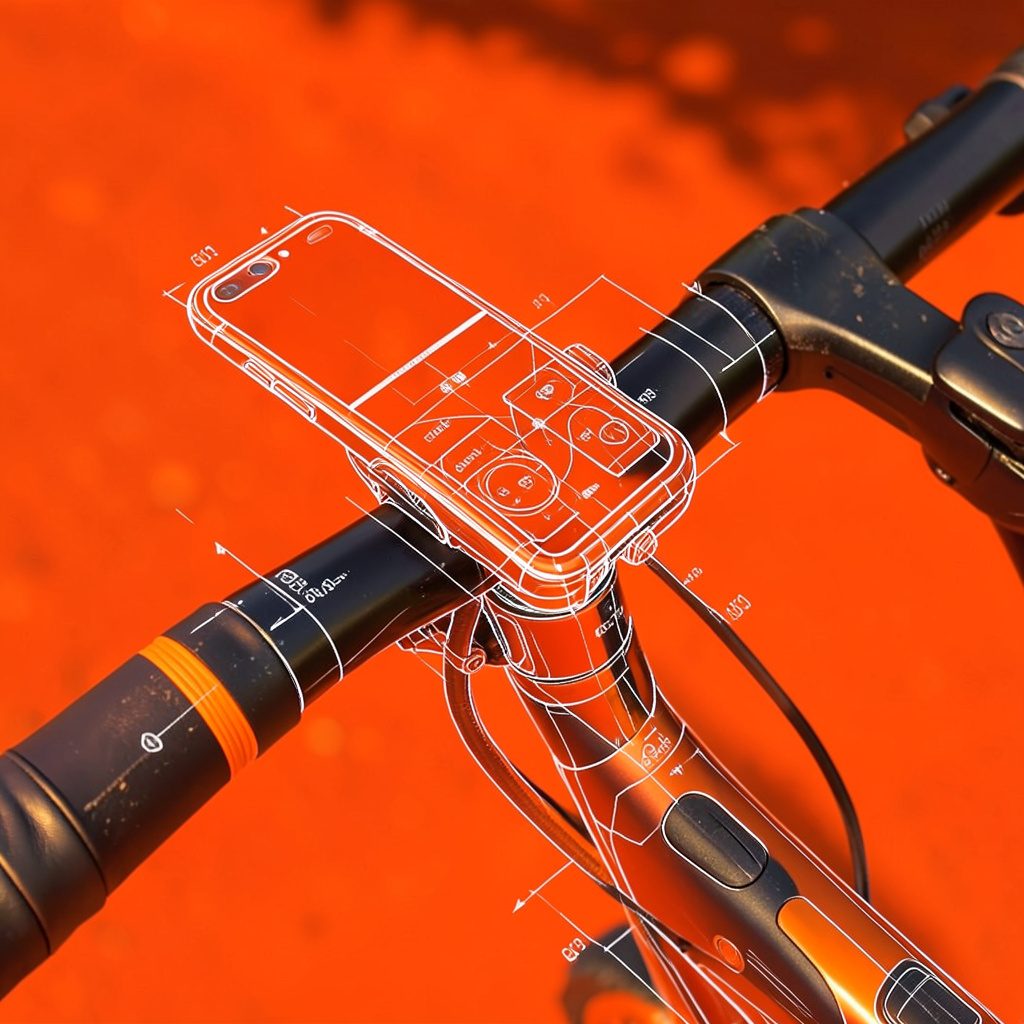 Bike Gear
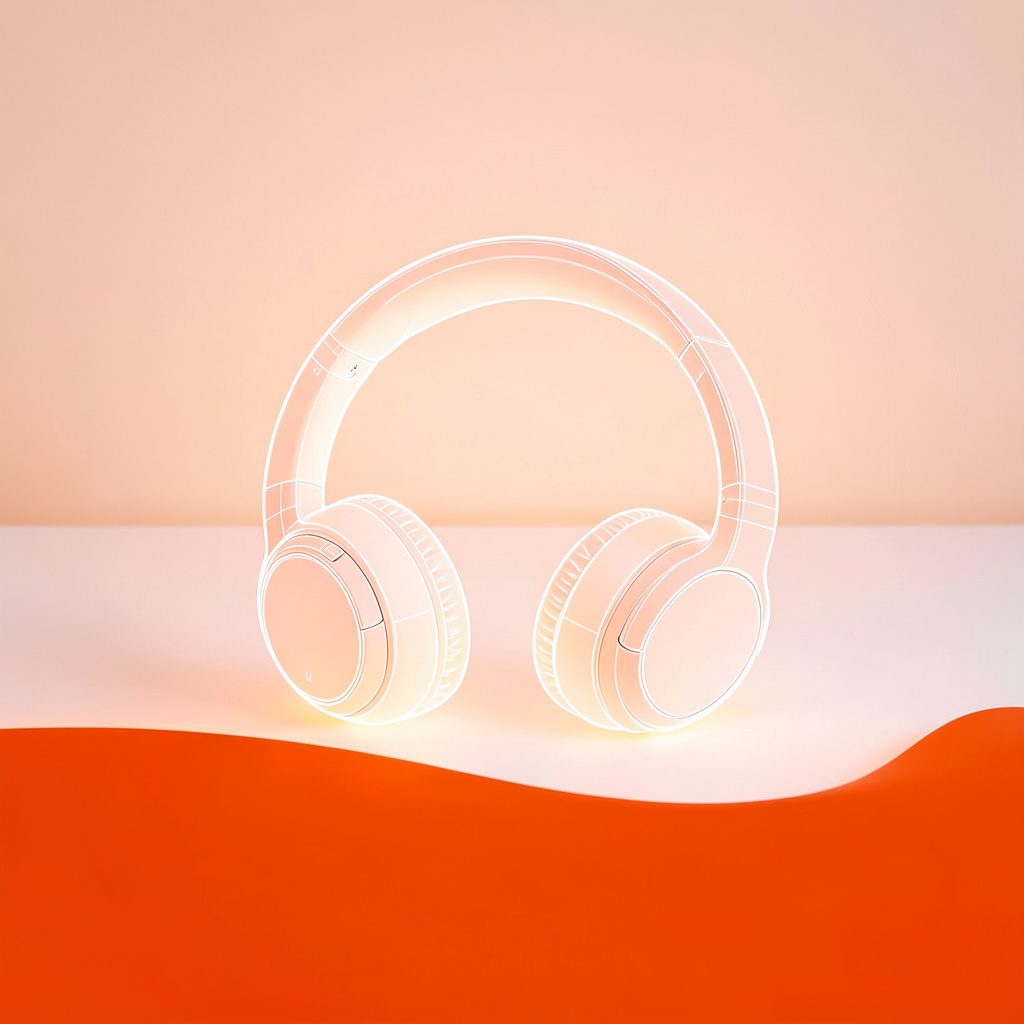 Audio
Audio Microphones
 Batteries
 Phone Cases
 Kitchen
Why Readers Trust Symfonycamp
- Curated top-10 lists with clear ratings for every product
- Reviews grounded in real product features and user feedback
- Categories spanning electronics, kitchen, audio, and accessories
- Direct links to check current prices and availability
- Published articles dating back to April 2022
- Ratings as high as 9.9 for standout products
Ready to Find Your Next Great Purchase?


Featured Review: Best Bike Phone Mount from Andobil
Published July 1, 2022 — our detailed breakdown of Andobil bike phone mounts covers military-grade stability, anti-shake technology, and compatibility with iPhone and Samsung Galaxy series. Top-rated models scored up to 9.9.
Read the ReviewLatest Top-Rated Picks
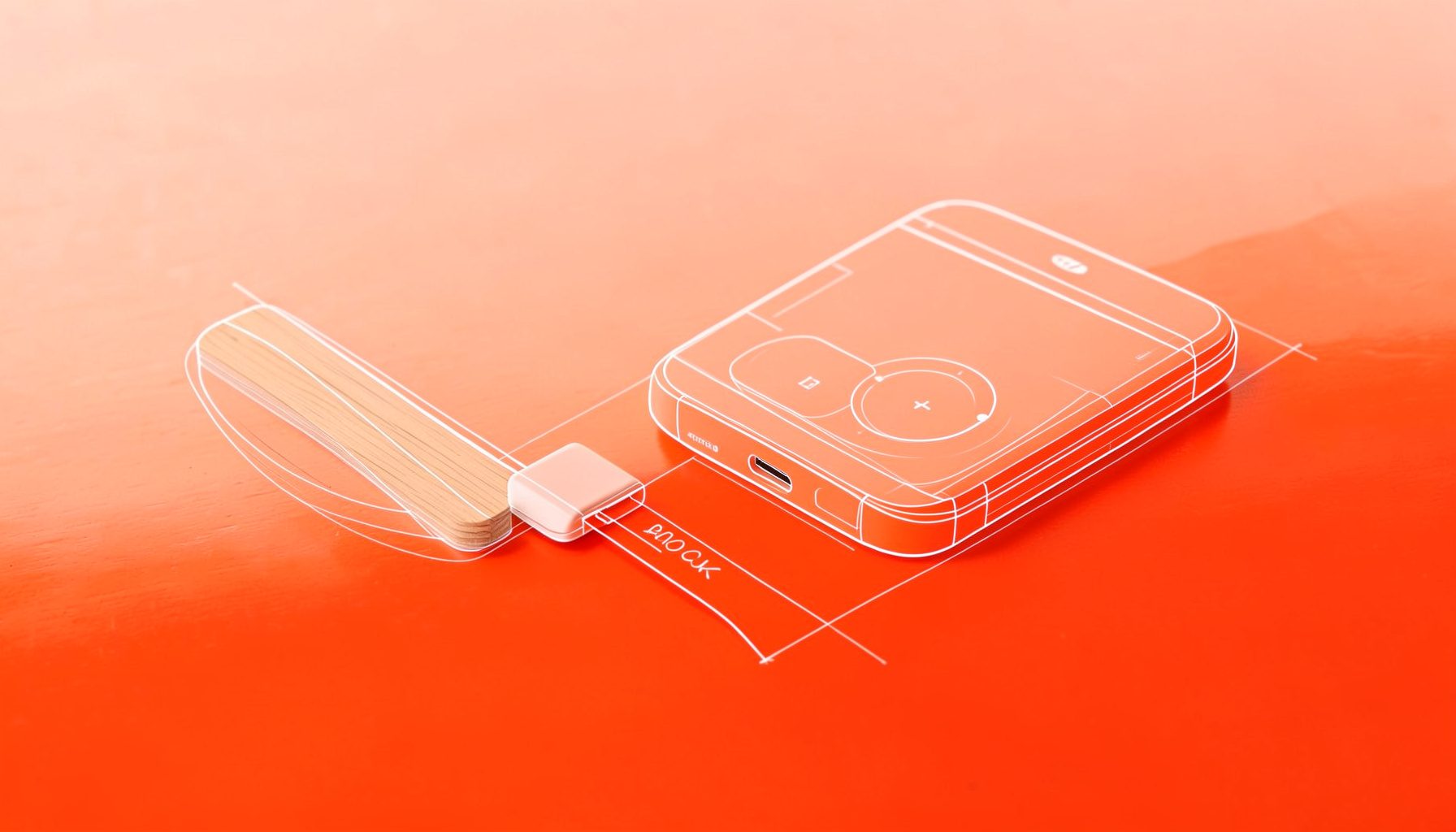
Best Bluetooth Headphones for iPod Nano
View Picks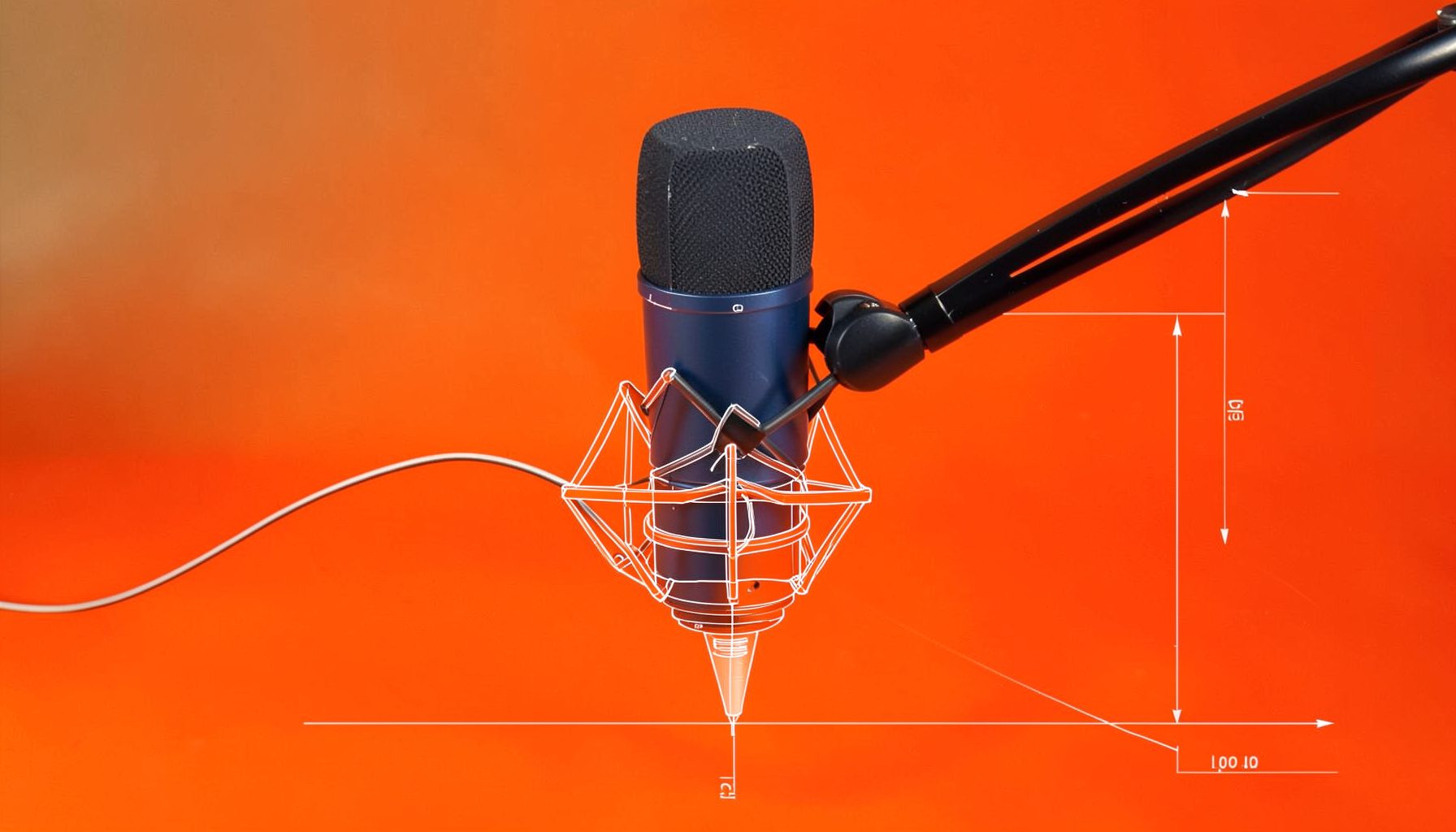
Best Blue Yeti Microphones for ASMR
View Picks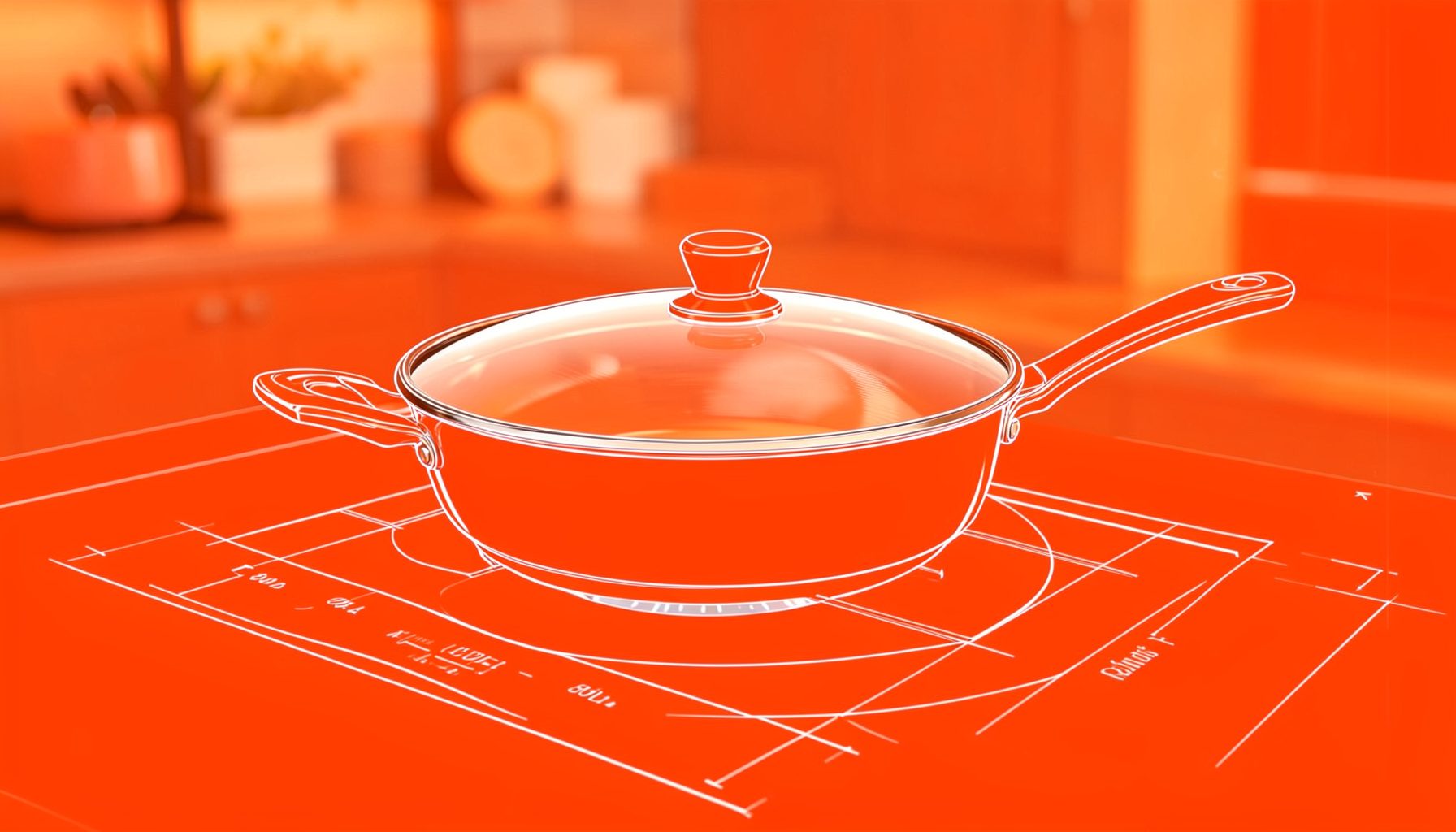
Best Frying Pans with Lids
View PicksWater Flossers for Sensitive Gums: A Practical Review for Aussies
Sore, bleeding gums are a quiet complaint for plenty of Australians, especially those who pushed through a long dry summer without paying much attention to hydration. Add in the cost of a routine scale-and-clean, which can easily run north of $200 without private health cover, and it is no wonder people look for gentler at-home tools. A water flosser, sometimes called an oral irrigator, uses a thin stream of pulsating water to sweep along the gumline and between teeth, which often feels kinder than dragging string floss across tissue that already protests at the sight of a toothbrush.
The market here is full of options, from the bargain shelf at Chemist Warehouse to premium countertop units sold through specialty dental suppliers. The trick is matching pressure, nozzle design, and tank size to gums that flare up at the slightest provocation. Over the next few sections, we walk through what actually matters when shopping for a gentle water flosser, where Aussies tend to use them, and how to build a routine that calms rather than irritates.
A few ground rules before we start. We are focused on flossers explicitly designed for, or well-suited to, sensitive gums, not high-powered jets aimed at deep-pocket cleaning. We also consider how these devices perform under Australian tap water, which ranges from soft rainwater-tank supplies in the bush to harder municipal supplies in places like Adelaide and Perth.
How pressure and pulse technology affect tender gum tissue
Gentle does not mean ineffective. The best water flossers for sensitive gums typically start at a pressure of around 30 to 50 PSI and let you work upward, rather than blasting at full power from the first squeeze. Look for models with a soft or "sensitive" mode that reduces both pressure and pulse rate, because slower pulses give inflamed tissue time to respond without being repeatedly slapped by water.
Pulse rate matters more than most shoppers realise. Clinical work on oral irrigators suggests that pulsation helps disrupt biofilm along the gumline, but the frequency has to be tuned to what your gums can tolerate. Many people with recession or early-stage gingivitis find that 1,200 to 1,400 pulses per minute hits a sweet spot, cleaning effectively without that bruised, tender feeling the next morning.
A soft-tip nozzle is worth chasing too. Standard jets can feel like pointing a garden hose at a paper cut, while rubber-tipped or tapered nozzles spread the water over a wider area. People who have had periodontal work, including the deep cleans that Australian periodontists often recommend before more invasive treatment, usually prefer these softer tips because they trace the gum margin without forcing water into pockets.
Countertop, cordless, or travel: which format suits Australian homes
Bench space in an Aussie apartment is rarely generous, so the choice between a full-size countertop unit and a cordless wand is partly about kitchen real estate. Countertop models generally offer larger reservoirs, often 600 ml or more, which means you do not have to refill mid-floss, and they tend to deliver more consistent pressure because they run off mains power. If you live in a household with multiple gum-conscious adults, a countertop unit makes sense.
Cordless water flossers have improved dramatically. Modern rechargeable models can hold a charge for two to three weeks, which suits the way many Australians travel between the city and the family place on the coast. They are also easier to take into a shower, which is a fairly common habit here when people want to avoid splashing the bathroom mirror at 6am. The trade-off is a smaller tank, usually 150 to 200 ml, so you may need a top-up halfway through.
For frequent flyers, a collapsible travel flosser is worth considering, particularly if you regularly head to remote worksites or visit family in places like Broome or Cairns where the local tap water can carry a faint metallic edge. A refillable bottle you can fill with filtered or bottled water avoids that aftertaste and keeps the internal pump cleaner over time. If you are weighing a water flosser against other home upgrades, the broader Symfonycamp review library is a useful place to compare oral care gear against the rest of your household kit.
Pressure range, nozzles, and water capacity: what to compare
When comparing models, certain features consistently separate the gentle performers from the harsh ones. The list below captures the most useful things to weigh up before clicking buy.
- A pressure range that starts at 50 PSI or lower, with at least three adjustable levels so you can ease in over several weeks
- Multiple nozzle options, including a soft pick, orthodontic tip, and tongue cleaner, since gums are often only part of the issue
- A reservoir of at least 180 ml for cordless models, or 500 ml plus for countertop units, to avoid mid-session refills
- A waterproof rating of IPX7 if you plan to use it in the shower, which is the easiest way to keep the splatter contained
Tank size deserves a second mention because it is where many budget models quietly fail. A 150 ml tank in a cordless flosser sounds fine on paper, but in practice it empties in roughly 40 seconds of continuous use, which is rarely enough to finish a full mouth. Countertop units around 650 to 700 ml are more forgiving and tend to last a household of two between refills. Independent roundups of consumer gear, such as the editorial work on Wikis Take, often test reservoir claims against real-world use, which can save you from a disappointing purchase.
Common mistakes that undo the benefits of a water flosser
Even the best device will irritate gums if it is used poorly. The habits below are surprisingly common and worth correcting early, before sensitive tissue gets pushed over the edge.
- Holding the tip too close to the gumline, which concentrates pressure and causes the tissue to blanch and recoil
- Cranking the pressure to maximum from day one, rather than starting low and building up over two to three weeks
- Using hot or warm water, which can feel soothing but actually softens the gum tissue and increases bleeding risk
- Skipping the tongue and back molars, where bacteria accumulate and feed the inflammation you are trying to calm
A useful trick is to lean over the sink with your mouth slightly open, letting water drain out rather than pooling inside. This keeps lips relaxed, reduces the gag reflex, and prevents you from instinctively clamping down, which would force the water stream to find another, more sensitive exit.
Building a routine that actually calms your gums
Water flossing is most effective when paired with a soft-bristled brush and a fluoride toothpaste, ideally used once in the evening after the day's main meal. For Australians managing sensitivity, timing matters because dehydrated gums, common after a hot day outdoors or a long flight, are more reactive. A glass of water before bed and a quick brush, followed by a gentle 60-second water floss, can noticeably reduce morning tenderness within a fortnight.
Storage and hygiene of the device itself also count. Empty the reservoir after each use, particularly if you live in a part of Australia with hard water, and run a quick cycle with a splash of white vinegar once a fortnight to keep the pump and nozzle clear of mineral build-up. This small step extends the life of the unit and keeps the water tasting neutral.
If your gums are still tender after a few weeks of gentle, consistent use, a check-up with a local dentist is the smartest next step, and it usually costs less than replacing a flosser you abandoned because it hurt. For readers weighing up a broader set of household upgrades alongside an oral care routine, the energy-saving thermostat guide on Symfonycamp shows how small, smart swaps can trim running costs in a climate that often has the aircon working overtime.
Start low, stay consistent, and let the pressure climb only when your gums tell you they are ready. A water flosser chosen for sensitivity, used gently and cleaned regularly, will usually outperform string floss for anyone whose mouth protests at the slightest tug, and that is the real measure of value in this category.