Curated reviews and top-rated picks across electronics, kitchenware, phone accessories, and more.
Get a Free Quote




Trusted Product Reviews Since 2022
Symfonycamp publishes carefully researched product recommendations across categories including home electronics, kitchen, phone accessories, audio gear, and more. Each article highlights top-rated items with detailed ratings and direct links to learn more.
Explore Reviews

Our Review Categories
Explore top-rated products across every category we cover
 Bike Gear
 Audio
 Microphones
 Batteries
 Phone Cases
 Kitchen
Why Readers Trust Symfonycamp
- Curated top-10 lists with clear ratings for every product
- Reviews grounded in real product features and user feedback
- Categories spanning electronics, kitchen, audio, and accessories
- Direct links to check current prices and availability
- Published articles dating back to April 2022
- Ratings as high as 9.9 for standout products

Ready to Find Your Next Great Purchase?


Featured Review: Best Bike Phone Mount from Andobil
Published July 1, 2022 — our detailed breakdown of Andobil bike phone mounts covers military-grade stability, anti-shake technology, and compatibility with iPhone and Samsung Galaxy series. Top-rated models scored up to 9.9.
Read the ReviewLatest Top-Rated Picks

Best Bluetooth Headphones for iPod Nano
View Picks
Best Blue Yeti Microphones for ASMR
View Picks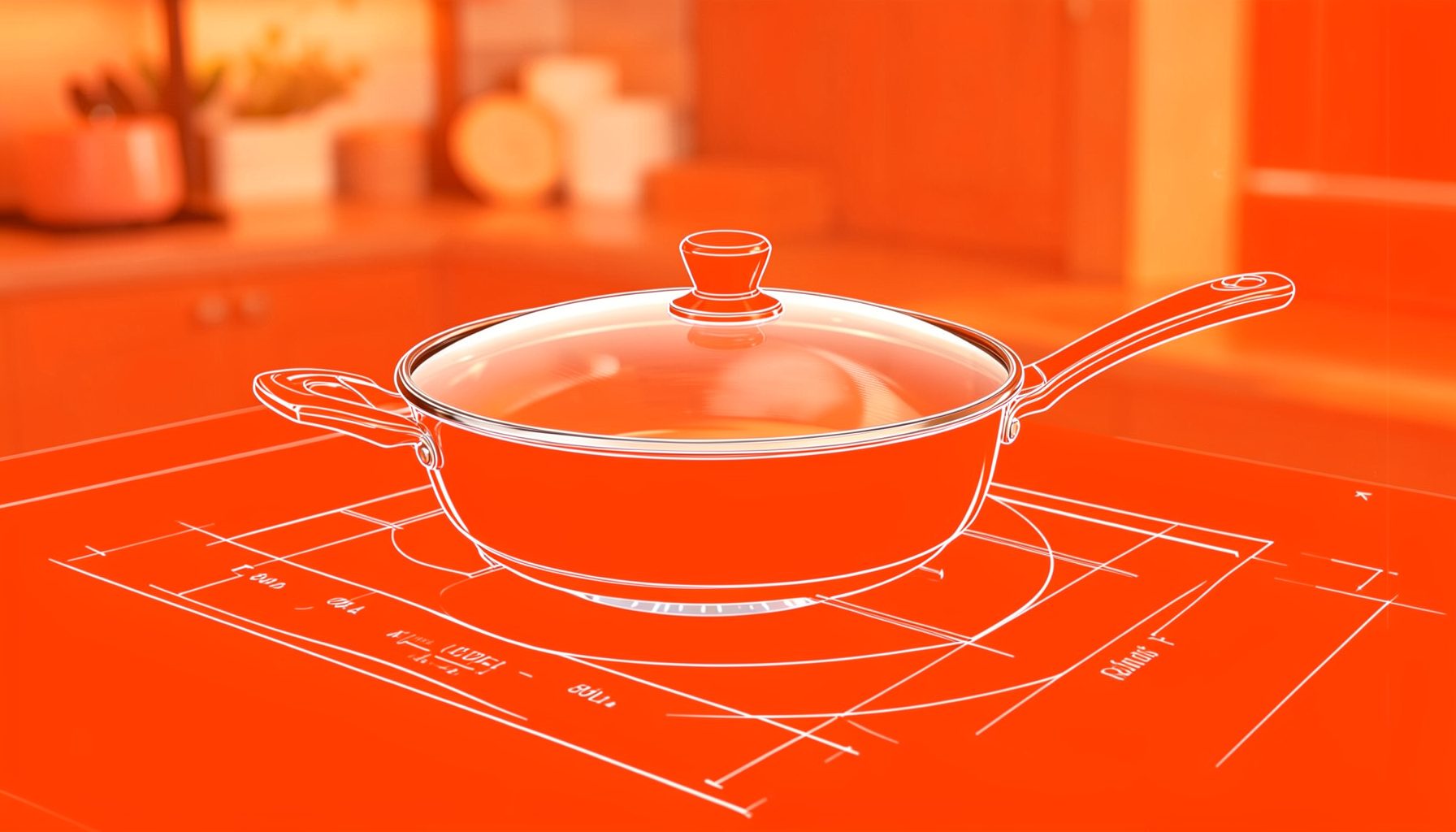
Best Frying Pans with Lids
View PicksThe best yogurt makers for homemade probiotics
Yogurt makers are compact incubators: they hold milk near the temperature favoured by starter cultures until lactose becomes lactic acid. The best models give home cooks in Australia a dependable set texture, controlled fermentation and less guesswork than a warm cupboard, while making it practical to prepare several litres for breakfast, snacks or meal prep.
None creates probiotics by itself. The culture must be viable, the milk must be prepared correctly, and the finished yoghurt must be chilled promptly. A sound buying choice therefore combines accurate heat control, useful capacity and easy cleaning with realistic expectations about shelf life, flavour and strain survival.
What makes a yogurt maker worth buying
Capacity is easiest to compare but not the first thing to optimise. One-litre jars suit a family or batch cooking; smaller jars reduce waste for one or two people. Check whether every jar has enough headspace, whether lids seal loosely enough for fermentation, and whether the chamber can run with only one or two jars occupied.
Temperature control matters more than a decorative digital display. Look for a responsive thermostat, an adjustable timer and automatic shutoff, then verify the unit's empty-chamber behaviour in a cool room. A model that merely warms to an approximate setting can produce uneven batches, particularly when Melbourne temperatures change quickly or a Hobart kitchen is already cold.
Build quality and support complete the picture. Removable jars, a wipe-clean interior, replaceable lids, modest noise and cable storage improve daily use, while local warranty and spare jars are more valuable than a long list of extra programmes. This evaluation reflects the feature, value and performance approach used in consumer product reviews on Symfonycamp.
Best overall yogurt makers
The EasiYo EBY-100 is the strongest all-round option for frequent batch makers. Its digital controls, family of individual one-litre jars and automatic shutoff provide repeatable results without demanding constant monitoring. Filling only the jars needed also keeps the rest of the chamber free for another batch, and the format works well for plain yoghurt, fruit bowls and overnight oats.
For smaller kitchens, the Cuisinart CYG-2 is a more focused choice. Two large glass jars and guided fermentation settings suit households making roughly two litres at a time, and the removable jars are convenient to cool and refrigerate. Its advantages are easier handling and lower capacity demands; its compromises are less bulk and potentially higher jar-replacement costs.
Best for thick and Greek-style yoghurt
Greek-style yoghurt depends on the milk and draining process, not on a special button. Heating pasteurised milk to roughly 82–90°C denatures proteins that help the set, then cooling it to inoculation temperature supports a firmer curd. Reserve a heat-safe bowl, fine sieve or muslin for the whey, because no standard yogurt maker performs that straining step.
Larger jars from the EasiYo make the initial mix easier to handle, while the smaller Cuisinart jars are practical when a litre is more than needed. Strain the chilled yoghurt for several hours in the refrigerator, refrigerate the strained portion and keep the leftover whey separately. Overheating can produce a grainy set, whereas insufficient heating often gives a loose one.
Best budget and small-batch options
A reputable four-jar analogue incubator can be the value pick when the budget is around A$60–A$100 and the household wants simplicity. Its advantages are low purchase cost, mechanical controls and ample batch space. The trade-off is less precise timing and temperature, so a separate thermometer and a written schedule become useful quality checks.
Generic marketplace incubators need caution: weak heat control, missing parts and absent local support can outweigh the low sticker price. Compare the warranty, jar thickness, lid design and verified customer feedback before paying. Independent buying guidance can also help assess whether a claimed feature is genuinely useful at home rather than merely prominent in the listing.
Getting real probiotic benefits
Standard yoghurt is usually fermented by Lactobacillus bulgaricus and Streptococcus thermophilus, often called thermophilic starter cultures. Around 43–46°C for roughly six to ten hours is a common window. These organisms can remain live in the finished food, but “probiotic” is a more specific claim: the strain and viable count matter, and tang alone proves neither.
Use either a spoonful of fresh supermarket yoghurt labelled with live active cultures or a reputable freeze-dried starter. A practical inoculation rate is about two tablespoons of plain live yoghurt per litre of cooled milk; adding it above about 50°C can kill many organisms. Check the yoghurt's storage and use-by date, especially if it has travelled from interstate in warm conditions.
Cleanliness and cold-chain discipline protect the result. Sanitise jars and utensils, use pasteurised milk, incubate at the selected temperature, then refrigerate promptly at 5°C or below. Discard any batch with mould, an unpleasant smell or an unexpected slimy film rather than tasting it. People especially vulnerable to foodborne illness should use a reputable commercial live yoghurt with controlled labelling.
Australian kitchens and buying conditions
Australian mains power is nominally 230V at 50Hz, and common plugs are Type I. Check that the exact appliance is approved for 230V; a plug adapter does not convert 120V equipment. Look for RCM compliance, a responsible Australian supplier, local warranty terms and a clear replacement-parts policy before buying an imported model.
Buying overseas also adds Australian Customs, GST and potentially freight or marketplace handling charges to the comparison. Those costs can erase a nominal saving, while overseas safety certification may not address Australian mains power. For infrequent use, a locally supported unit or a reputable Australian marketplace seller is usually the safer ownership choice.
Weather and refrigeration can alter results around the country. In a Sydney or Brisbane summer, a kitchen can reach the high 30s, so an incubator that only adds a little heat may never reach 43°C; in Melbourne, rapid seasonal changes make stable sensors valuable. Fridges should stay at or below 5°C, and starter yoghurt bought from Woolworths, Coles or IGA should remain cold during the trip home.
Your first successful batch
Begin with one litre of pasteurised whole milk for a clean baseline. Heat it to about 85–90°C, cool to 43–45°C, and stir in two tablespoons of plain yoghurt carrying live active cultures. Divide among sanitised jars, incubate at 43–46°C, and check after six hours. Chill as soon as the set is stable rather than continuing indefinitely; thin yoghurt and whey usually mean the culture or temperature needs adjustment.
Read the result by texture and smell rather than colour alone. A clean tang, glossy set and liquid whey around the edge are normal. A very sour batch may have incubated too long, while a loose batch may have received too little starter, started with milk that was too cool, or been disturbed early. Adjust one variable on the next batch and record the timing.
A yogurt maker does not require vacuum sealing; cultured dairy should not be vacuum-packed before fermentation. For a different preservation task in the same kitchen, sous-vide vacuum sealers cover meat, fish and prepared ingredients. Tonight, sanitise one litre jar, cool pasteurised milk to 44°C, inoculate it, and start a 43°C incubation cycle with a ten-hour timer.