Curated reviews and top-rated picks across electronics, kitchenware, phone accessories, and more.
Get a Free Quote




Trusted Product Reviews Since 2022
Symfonycamp publishes carefully researched product recommendations across categories including home electronics, kitchen, phone accessories, audio gear, and more. Each article highlights top-rated items with detailed ratings and direct links to learn more.
Explore Reviews

Our Review Categories
Explore top-rated products across every category we cover
 Bike Gear
 Audio
Audio Microphones
 Batteries
 Phone Cases
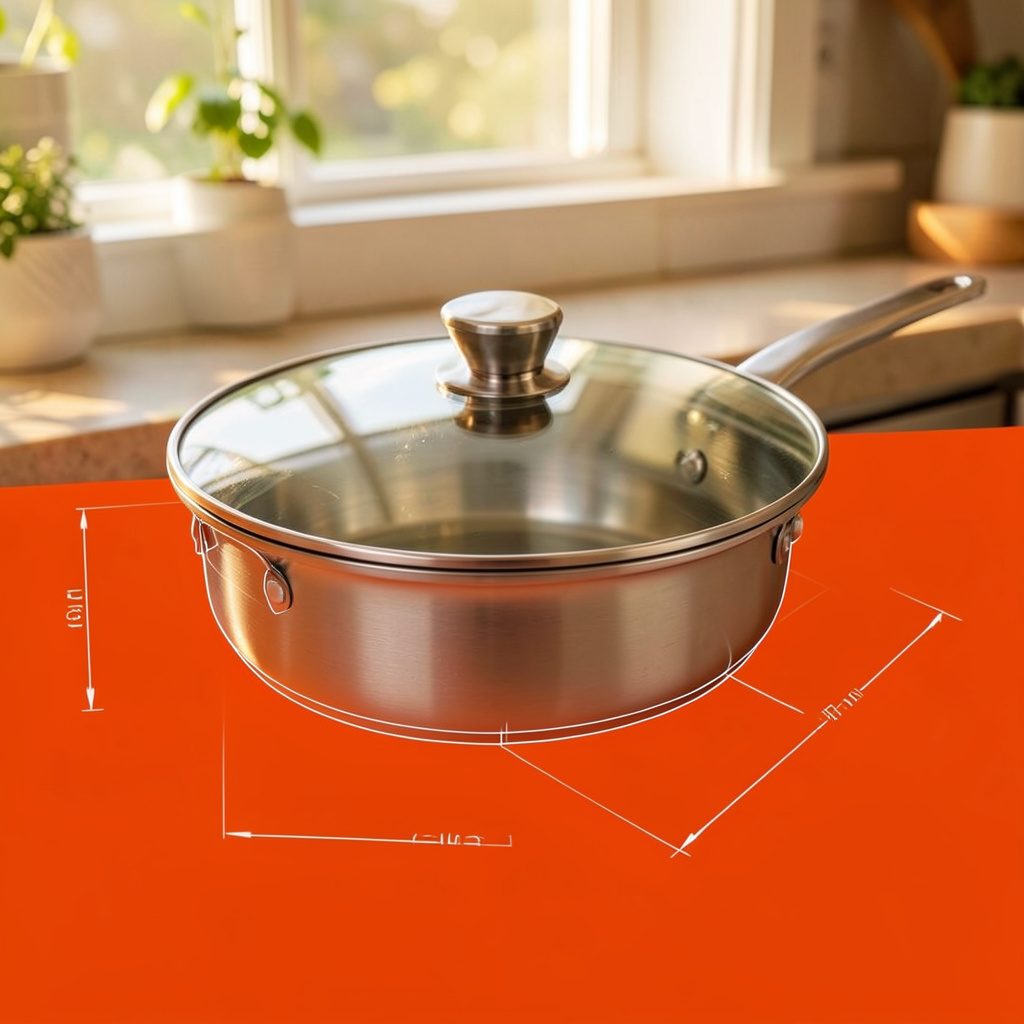 Kitchen
Why Readers Trust Symfonycamp
- Curated top-10 lists with clear ratings for every product
- Reviews grounded in real product features and user feedback
- Categories spanning electronics, kitchen, audio, and accessories
- Direct links to check current prices and availability
- Published articles dating back to April 2022
- Ratings as high as 9.9 for standout products

Ready to Find Your Next Great Purchase?


Featured Review: Best Bike Phone Mount from Andobil
Published July 1, 2022 — our detailed breakdown of Andobil bike phone mounts covers military-grade stability, anti-shake technology, and compatibility with iPhone and Samsung Galaxy series. Top-rated models scored up to 9.9.
Read the ReviewLatest Top-Rated Picks
Best Bluetooth Headphones for iPod Nano
View Picks
Best Blue Yeti Microphones for ASMR
View Picks
Best Frying Pans with Lids
View PicksDigital meat thermometers that ace Australian grilling
Australians have built a near-religious devotion to outdoor cooking. From a quick snag sizzle in Brisbane to slow-cooked brisket over charcoal in a Melbourne laneway, the smell of a weekend barbie is woven into daily life. Across Sydney backyards and Adelaide parklands, the simplest path to better grilling has nothing to do with fancy rubs or imported smokers — it's knowing exactly what is happening inside the meat.
A quality digital meat thermometer steps away from guesswork. A trustworthy reading removes the anxiety that comes with thicker cuts, unfamiliar proteins like kangaroo or venison, and the bone-in joints that perplex even seasoned cooks. Anyone who has sliced into chicken that wasn't quite ready knows the awkwardness of sending plates back to the kitchen. The right tool fixes that with a number on a screen, freeing the cook to focus on flavour rather than fear.
This guide walks through the features that matter for precision grilling, the technologies worth paying for, and the practical details that separate a unit you will love in two years from one that retires after a season. Whether you shop the aisles of Bunnings, browse Anaconda online, or scroll broader product guides, the same principles apply across every category.
Why precision matters when serving friends and family
Food safety in Australia is governed by state-level standards that push both home cooks and commercial operators toward safe internal temperatures. Poultry needs to reach 74°C at the thickest part of the cut to be considered safe, while medium-rare beef typically rests around 57°C. A thermometer is the most direct way to hit both marks without slicing open the meat and losing precious juices.
Game meats create a particular challenge. Anyone who has cooked kangaroo tail or emu burgers knows that lean proteins overcook in minutes. A reliable thermometer helps you pull the meat at the right moment instead of relying on visual cues, which can be misleading when the exterior is dark from a charcoal sear but the centre is still cool. Hunters across regional Queensland and Tasmania often cite thermometers as one of the most practical pieces of kit they own, second only to a sturdy cooler.
Entertaining is another reason precision matters. A weekend gathering at Coogee or Glenelg beach often means juggling half a dozen dishes, kids, and drinks. Without a thermometer, the host either plays cooking roulette or constantly cuts into the protein. With one, the cook stays at the barbie instead of hovering over the cutting board, and the meat comes off the heat at exactly the moment of perfection.
Key features worth weighing up before you buy
A reading range between 0°C and 300°C covers virtually every grilling scenario, but accuracy within one or two degrees is the real differentiator. Cheaper probes can drift by five degrees or more, which is the difference between medium-rare and medium-well. Look for brands that publish their accuracy spec rather than just claiming fast reading on the box.
Probe count matters more than most buyers expect. A single-probe unit suffices for steak night, but a dual-probe thermometer lets you monitor two zones at once — handy when one cut rests while another finishes. Higher-end models ship with four probes, which is genuinely useful at larger gatherings in Melbourne where you might be cooking lamb, chicken, and snags simultaneously.
Battery life and charging also deserve attention. Rechargeable lithium-ion units have largely replaced AAA batteries, and most last ten or more hours on a single charge. For long, slow cooks such as pulled pork or beef short rib, a low-battery warning beep can save an entire meal. Display readability is another quiet feature: an OLED screen with wide viewing angles beats a basic LCD when you are squinting over a smoky hood in fading Adelaide daylight.
Smart features and app connectivity
Bluetooth and Wi-Fi thermometers have matured into genuinely useful kitchen companions. A good app lets you set target temperatures per cut, alerts the cook's phone when food is ready, and logs internal readings for later review. For pitmasters competing at regional shows in Toowoomba, Wagga Wagga, or out across Western Australia, that data trail becomes a tuning tool for future cooks.
The catch is that not all apps are created equal. The best are stable across iOS and Android, support multiple probes, and keep working in the background without draining your battery. A weak app turns a premium thermometer into an expensive paperweight, so reviews should weigh the software as heavily as the hardware. Readers who appreciate that level of precision may also find value in this gaming mice under fifty roundup, where high-precision sensors are equally central to the experience.
Connectivity range is the underrated detail. A Bluetooth unit that holds a stable signal only within five metres is fine for a kitchen but useless when the barbie sits at one end of a long Brisbane backyard. Look for advertised ranges of at least thirty metres, and remember that walls, pergolas, and metal-roofed patios can cut that figure in half in real conditions.
Probe design and the value of stainless steel
The probe is the part that lives inside hot meat, so material matters. Food-grade 304 stainless steel is the default for quality units, resists corrosion from marinades, and tolerates dishwasher cleaning. Lower-grade metals can pit over time, especially after exposure to saltwater breezes during a Gold Coast cook-up or contact with the salt-heavy rubs Australians love on lamb.
Probe thickness affects both response time and how cleanly the thermometer seals a wound in the meat. Thinner probes around 1.5 to 2 millimetres read faster and leave a smaller hole. Thicker probes are sturdier but can let more juice escape. Most serious grillers settle on a balance near 2 to 2.5 millimetres.
Cable length and heat tolerance are the hidden constants of probe design. A cable rated to at least 380°C keeps the insulation from melting when the probe leaves the meat and rests briefly on the grill grate. Lengths of 90 to 120 centimetres give enough slack to route the wire safely outside the lid of a kettle-style BBQ. Reinforced strain reliefs at the probe-to-cable junction are another small detail that separates a unit built for years from one that fails after a couple of seasons.
Durability for outdoor use and how to store it well
A thermometer that survives the kitchen drawer but dies at the first splash of beer or unexpected rain is a disappointment. An IP65 or higher rating means the unit shrugs off rain and brief hose-downs, which is essential for outdoor cooking. Magnets on the back of the transmitter let you stick it to a metal hood or fridge door, keeping counters clear and the unit out of splatter zones.
Storage matters more than buyers expect. Probes left dangling in a drawer will kink the cable over time. Many models ship with EVA cases or plastic shells that keep everything organised. The same rugged-storage mindset applies across small electronics, and shoppers who think about protective options for one gadget often browse categories such as alcatel cases when considering phone protection. A premium thermometer kit deserves the same deliberate approach to storage.
Backing up the practical side, a tiny dab of cooking oil on stainless probes after washing helps prevent corrosion, and storing the unit indoors during winter avoids the temperature swings that slowly degrade battery health. Most premium manufacturers recommend pulling the probe from the meat five to ten minutes earlier than the target reading, since carryover cooking pushes the internal temperature another three to five degrees while the joint rests.
When the barbie happens, the winning move is to commit the safe internal temperatures of your favourite cuts to memory: 63°C for medium-rare beef, 71°C for pork, 74°C for chicken, and 65°C for kangaroo when you can find it. A thermometer that lands within a degree of those numbers turns a casual weekend cook into a confident one, and the difference shows up on every plate you serve.