Curated reviews and top-rated picks across electronics, kitchenware, phone accessories, and more.
Get a Free Quote



Trusted Product Reviews Since 2022
Symfonycamp publishes carefully researched product recommendations across categories including home electronics, kitchen, phone accessories, audio gear, and more. Each article highlights top-rated items with detailed ratings and direct links to learn more.
Explore Reviews
Our Review Categories
Explore top-rated products across every category we cover
 Bike Gear
 Audio
 Microphones
 Batteries
 Phone Cases
 Kitchen
Why Readers Trust Symfonycamp
- Curated top-10 lists with clear ratings for every product
- Reviews grounded in real product features and user feedback
- Categories spanning electronics, kitchen, audio, and accessories
- Direct links to check current prices and availability
- Published articles dating back to April 2022
- Ratings as high as 9.9 for standout products
Ready to Find Your Next Great Purchase?


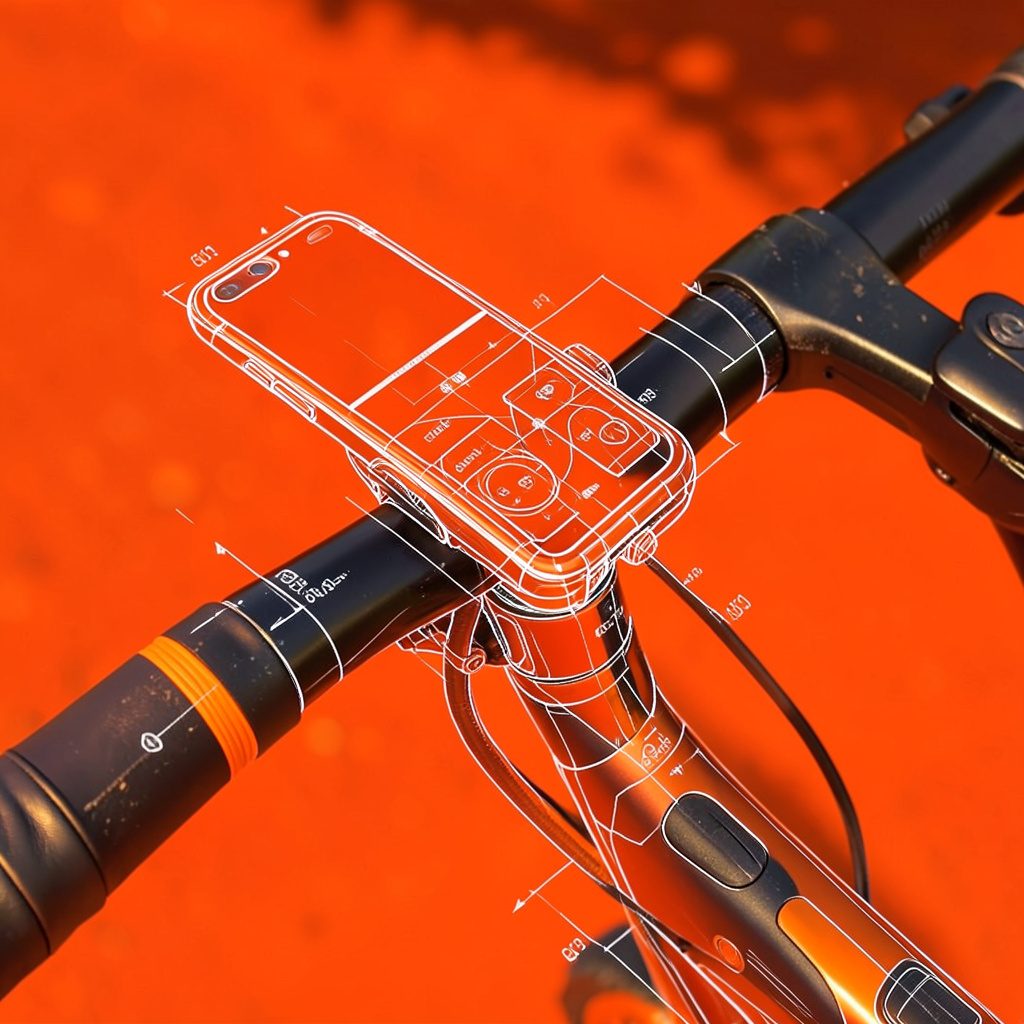
Featured Review: Best Bike Phone Mount from Andobil
Published July 1, 2022 — our detailed breakdown of Andobil bike phone mounts covers military-grade stability, anti-shake technology, and compatibility with iPhone and Samsung Galaxy series. Top-rated models scored up to 9.9.
Read the ReviewLatest Top-Rated Picks
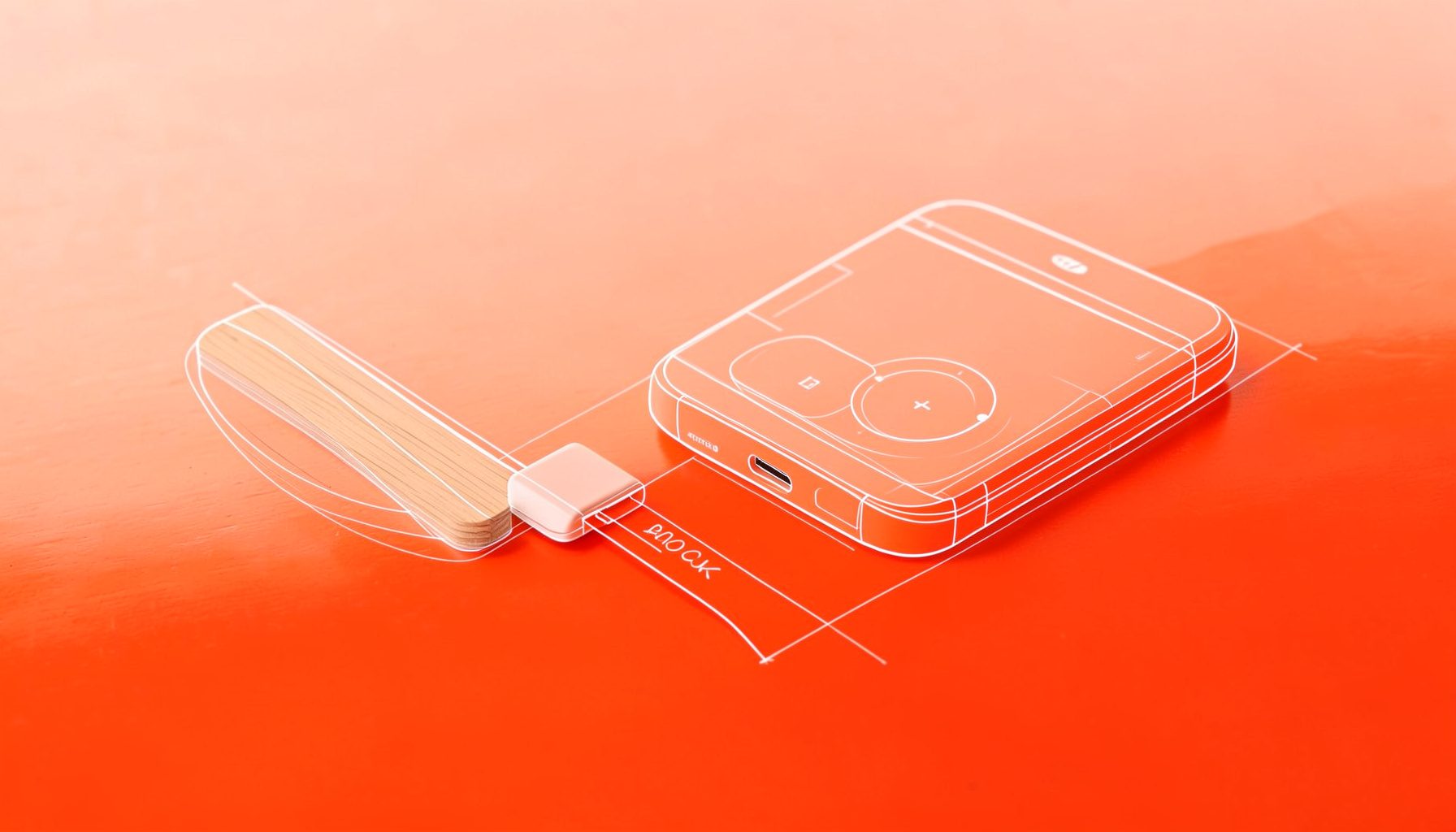
Best Bluetooth Headphones for iPod Nano
View Picks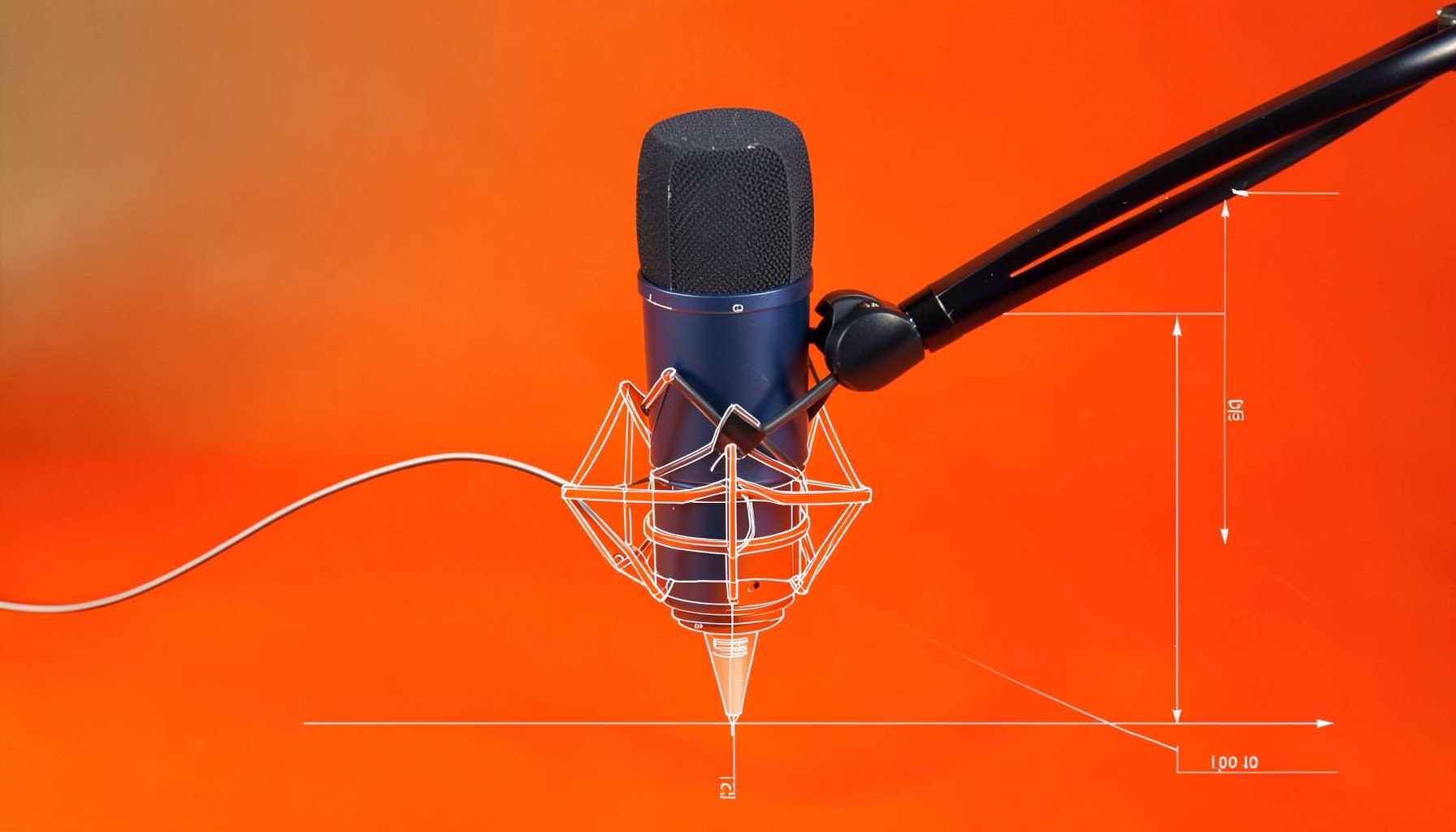
Best Blue Yeti Microphones for ASMR
View Picks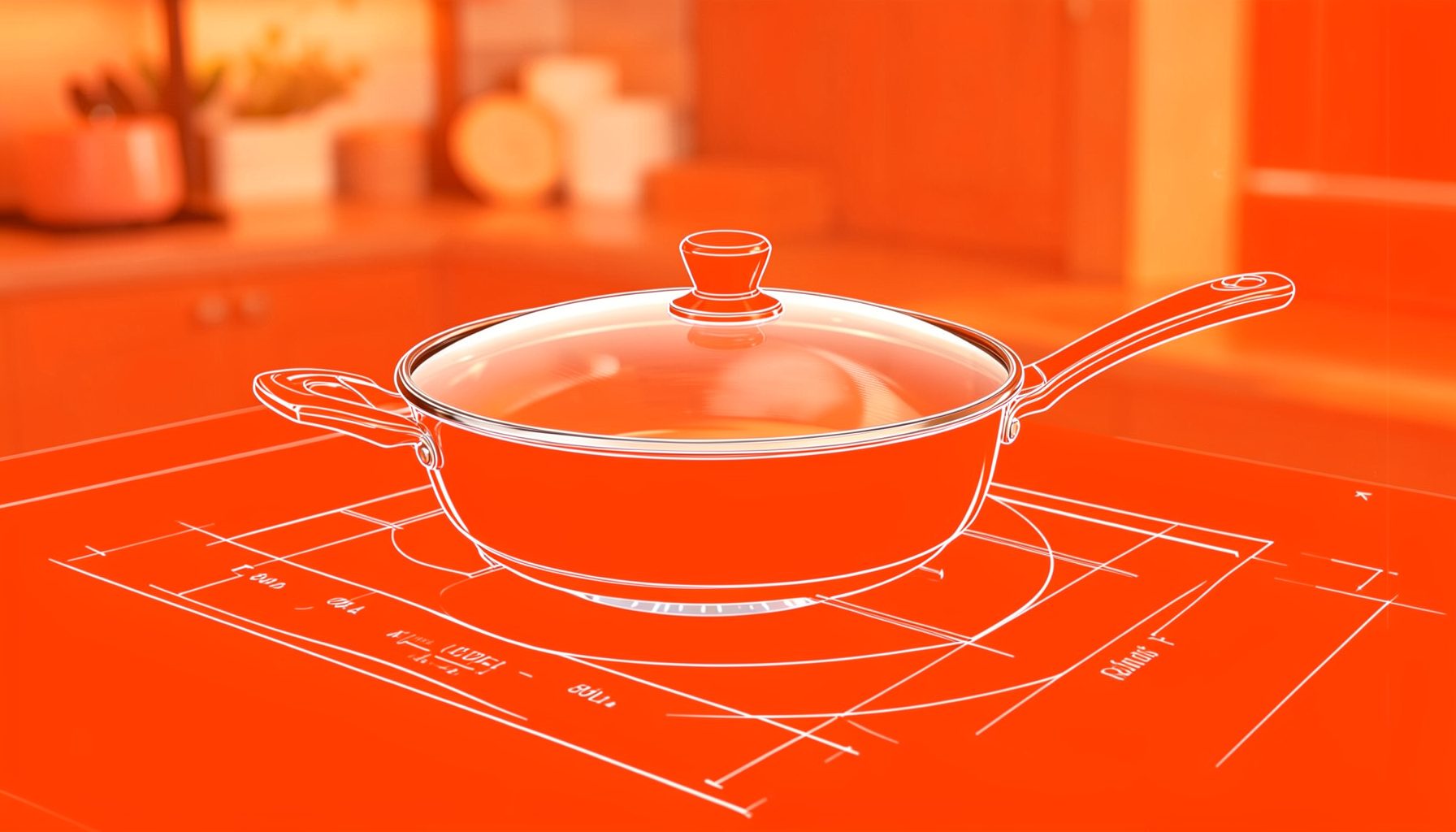
Best Frying Pans with Lids
View PicksBike Locks Built To Resist Cutters And Saw Blades
A good bicycle lock has to defeat the tools a thief can carry quickly, not merely look substantial in a product photo. Bolt cutters attack exposed shackles, while hacksaws and compact saw blades exploit weak steel, poor welds, or excessive room inside the lock. The strongest designs reduce those opportunities with hardened alloy, thick cross-sections, protected locking mechanisms, and shapes that are difficult to brace.
Australian riders face varied risks. A commuter parking near Melbourne Central needs a different balance of weight and security from a rider leaving an e-bike at a Brisbane railway station or outside a Sydney café. The recommendations below focus on portable locks that give serious resistance to hand tools, while explaining where their protection ends.
What Makes A Bike Lock Hard To Defeat
Bolt cutters work through leverage. A thin cable, chain link, or exposed shackle gives the jaws an easy target, especially when the lock is resting on the ground. A compact hardened-steel D-lock removes much of that leverage by keeping the shackle short and difficult to twist.
Saw blades are a different threat. A hacksaw can eventually cut many metals if the thief has time and a stable position. Hardened steel slows the blade, while composite materials can make the cutting process awkward and reduce the value of a clean, straight cut. Some premium locks are also tested against powered angle grinders, although no portable lock should be described as permanently grinder-proof.
Security ratings help, but they are not the whole decision. Sold Secure Gold and Diamond ratings are useful reference points for Australian buyers, yet mounting options, locking technique, street location, and the value of the bicycle matter just as much.
Strong Lock Options Worth Considering
The Hiplok D1000 is one of the most specialised choices for high-risk parking. Its hardened steel composite shackle is designed to resist angle grinders as well as hand tools, and the compact shape gives thieves little room to attack. It is expensive and relatively heavy, but it makes sense for a premium e-bike or a bicycle regularly left in busy urban areas.
Litelok’s X1 offers a similar security concept in a slightly different format. Its square profile and composite construction are intended to make cutting slow and awkward, while the keyway includes protection against common picking attacks. The X3 is larger, heavier, and more resistant, making it better for a valuable cargo bike or long overnight stops where carrying weight is less important than delay.
The Kryptonite New York Fahgettaboudit Mini remains a respected conventional D-lock. Its thick hardened shackle is highly resistant to bolt cutters and ordinary hacksaws, and its small internal space limits twisting attacks. It does not provide the same dedicated angle-grinder resistance as the Hiplok or Litelok models, so it is best suited to sensible daytime parking rather than leaving an expensive bike unattended for hours.
The Abus Granit XPlus 540 is a practical compromise between security, handling, and internal clearance. Its rounded hardened shackle and robust double-bolt design make it difficult to attack with hand tools. The larger version can secure a frame and wheel to a substantial rack, although the extra room should not be so large that a thief can insert a long tool inside.
The OnGuard Brute STD 8001 is a value-oriented heavy-duty alternative. It offers a thick hardened shackle and a serious step up from cable locks without reaching the price of premium grinder-resistant designs. It may suit a commuter who locks in a supervised workplace or university environment, but its conventional steel construction should be treated as strong hand-tool protection rather than a complete answer to powered cutting tools.
How The Five Options Compare
| Lock | Best Use | Main Strength | Main Limitation |
|---|---|---|---|
| Hiplok D1000 | High-value urban bikes | Strong resistance to grinders, cutters, and saws | High price and weight |
| Litelok X1 | Premium daily commuting | Compact anti-angle-grinder design | Less internal space than larger locks |
| Litelok X3 | E-bikes and cargo bikes | Greater security and reach | Heavy to carry |
| Kryptonite New York Fahgettaboudit Mini | Compact high-security parking | Very thick hardened shackle | Not designed as a grinder-resistant lock |
| Abus Granit XPlus 540 | Flexible frame-and-wheel locking | Strong conventional D-lock with useful clearance | Larger size can create attack space |
| OnGuard Brute STD 8001 | Budget-conscious commuters | Good hand-tool resistance for the price | Weaker choice against powered grinders |
These products are not interchangeable simply because they appear in the same security category. A small D-lock may be harder to attack but impossible to fit around a wide rack, whereas a longer model may secure more of the bicycle while giving thieves more room to work. Check the internal dimensions before buying, especially if the bike has chunky frame tubing, mudguards, or a front suspension fork.
For broader product comparisons, Symfonycamp reviews can be useful alongside manufacturer specifications and independent security testing. Retail listings change frequently, so confirm the current model, supplied bracket, key type, and local warranty before paying.
Matching Security To Australian Riding
For regular commuting in Sydney, Melbourne, or Brisbane, a grinder-resistant lock is sensible if the bicycle is worth several thousand dollars or is left outdoors near transport hubs. These locations provide thieves with crowds and background noise, but they also offer fixed rails and racks where a compact, high-security lock can be used correctly.
Adelaide, Perth, and Canberra riders may have different practical priorities. Longer distances between home, work, and secure parking make carrying comfort more important, while hot weather and sudden rain make a corrosion-resistant keyway and a durable mounting bracket worthwhile. A lock that rattles against the frame every day can become a nuisance, encouraging poor use.
Australian cycling customs also affect security. Many riders remove lights, GPS computers, panniers, and batteries when parking. That habit reduces opportunistic theft, but it does not protect the frame and wheels. For an e-bike, secure the frame to the rack and consider a second lock for a removable battery or wheel with a vulnerable quick-release axle.
Using A Lock So It Performs
Place the D-lock around the frame and a fixed rack, ideally through the main triangle rather than only through a wheel. Keep the lock off the ground and position the keyway downward or towards the rack. A thief needs a stable surface to use heavy cutters or a hammer, so denying that position improves the lock’s real-world performance.
Use the smallest lock that comfortably fits the frame and parking point. Avoid leaving a long loop of shackle exposed, and do not lock only to signposts, thin rails, or objects that can be lifted over. Check that the rack is firmly anchored; an excellent lock is ineffective if the entire bicycle can be carried away with the rack section.
Cable extensions are useful for a second wheel but should not be mistaken for primary security. A braided cable can be severed quickly with compact cutters. For high-value bicycles, pair a hardened D-lock with a second independent lock, such as a chain or another U-lock, so the thief must use different tools and techniques.
What To Check Before Buying In Australia
Start with the lock’s tested security claims rather than its advertised thickness. Look for hardened steel, double-locking bolts, anti-drill components, and credible independent ratings. If the manufacturer mentions angle-grinder resistance, read the conditions: test duration, number of discs, battery limits, and whether the result applies to the entire lock or only the shackle.
Weight and dimensions should be treated as everyday specifications. A 2-kilogram lock may be reasonable for an e-bike used on short trips, but frustrating for a road cyclist carrying it in a jersey or small saddle bag. Measure the rack and frame clearance, then compare the lock’s internal height and width rather than its outside dimensions.
Also check Australian stock, delivery, warranty support, and replacement-key arrangements. Imported locks can be excellent, but replacement keys or mounting hardware may take weeks to arrive. Price comparisons should include shipping and currency conversion, particularly when a premium European or American model is listed by a marketplace seller.
Independent research can help separate meaningful test information from vague marketing. Resources such as lock security notes may provide useful background, but product specifications and current testing should still be checked against the manufacturer and recognised security-rating organisations.
Protecting A Bike Beyond The Lock
A lock reduces opportunity; it does not make a bicycle invisible. Choose a busy, well-lit location with cameras or regular foot traffic, and avoid leaving the bike in the same isolated spot at predictable times. Secure indoor storage at work or home remains more effective than buying an even heavier lock.
Record the frame number, purchase receipt, photographs, and distinctive marks. Register the bicycle with a recognised Australian database where appropriate, and check whether home, contents, or dedicated bicycle insurance requires a particular lock rating. Some policies also specify how the bicycle must be attached and for how long it can be left unattended.
The practical choice comes down to risk and routine. Pick the Hiplok D1000 or Litelok X1 for strong urban protection, the Litelok X3 for maximum portable security and larger bicycles, the Kryptonite or Abus for robust conventional locking, and the OnGuard when budget matters more than grinder resistance. Before the next ride, measure your usual rack and frame clearance, then choose the smallest independently rated lock that fits both.