Curated reviews and top-rated picks across electronics, kitchenware, phone accessories, and more.
Get a Free Quote


Trusted Product Reviews Since 2022
Symfonycamp publishes carefully researched product recommendations across categories including home electronics, kitchen, phone accessories, audio gear, and more. Each article highlights top-rated items with detailed ratings and direct links to learn more.
Explore Reviews
Our Review Categories
Explore top-rated products across every category we cover
 Bike Gear
 Audio
Audio Microphones
 Batteries
 Phone Cases
 Kitchen
Why Readers Trust Symfonycamp
- Curated top-10 lists with clear ratings for every product
- Reviews grounded in real product features and user feedback
- Categories spanning electronics, kitchen, audio, and accessories
- Direct links to check current prices and availability
- Published articles dating back to April 2022
- Ratings as high as 9.9 for standout products
Ready to Find Your Next Great Purchase?

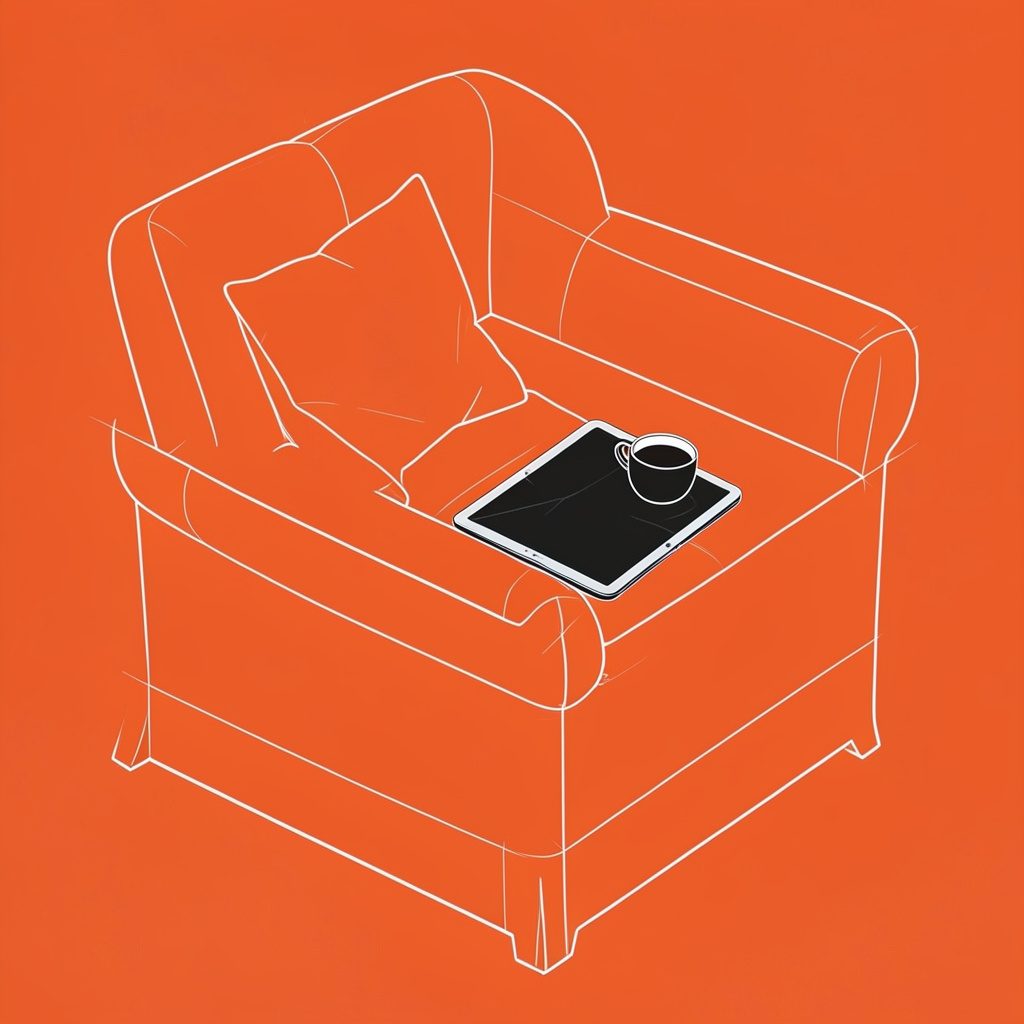
Featured Review: Best Bike Phone Mount from Andobil
Published July 1, 2022 — our detailed breakdown of Andobil bike phone mounts covers military-grade stability, anti-shake technology, and compatibility with iPhone and Samsung Galaxy series. Top-rated models scored up to 9.9.
Read the ReviewLatest Top-Rated Picks
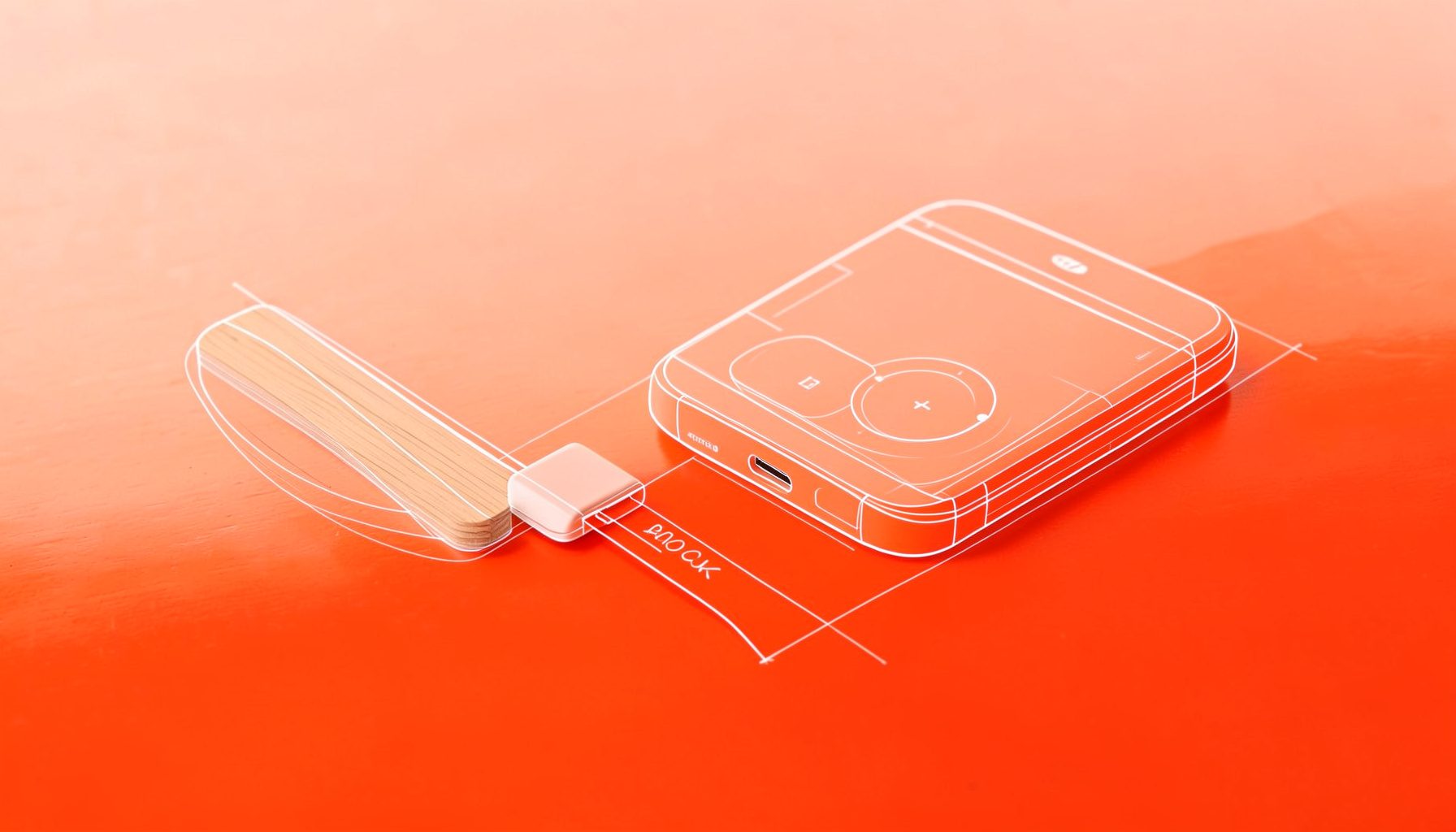
Best Bluetooth Headphones for iPod Nano
View Picks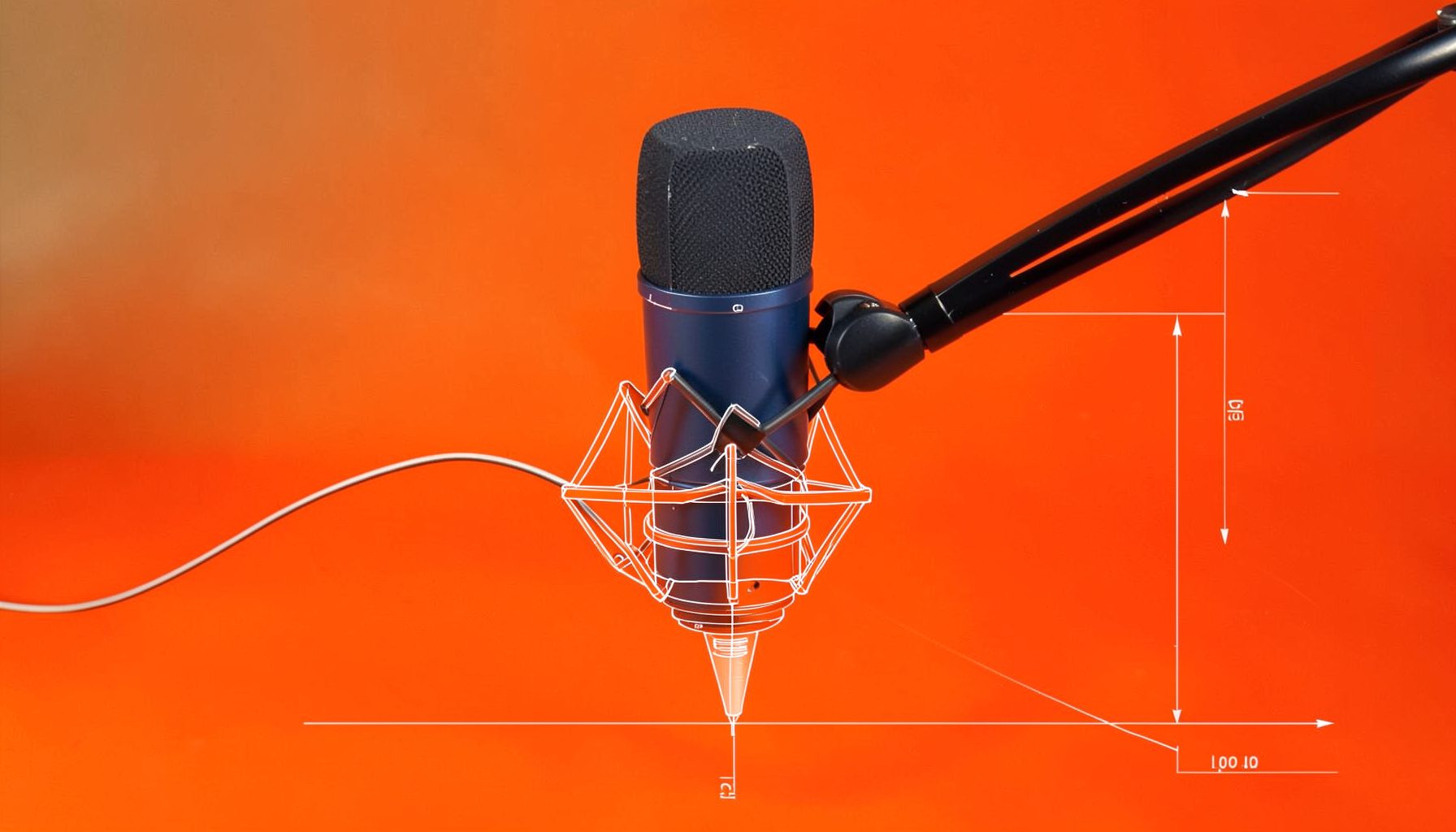
Best Blue Yeti Microphones for ASMR
View Picks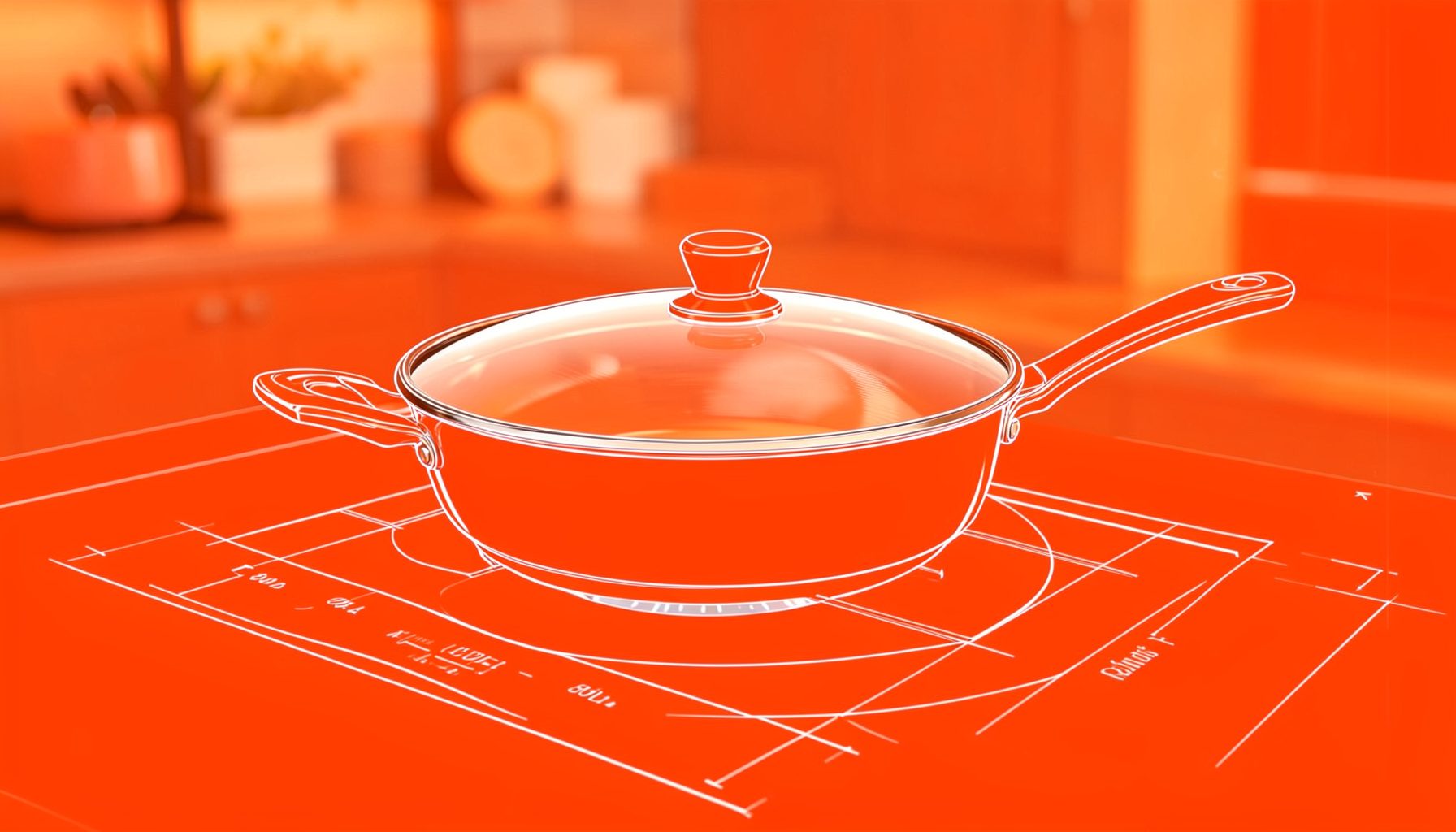
Best Frying Pans with Lids
View PicksCountertop ice makers for chewable nugget ice at home
Aussie summers have a way of changing how you think about ordinary kitchen appliances. When the temperature in Brisbane climbs past 35°C in January or a Perth barbie runs into the evening, the difference between hard cubes and soft, crunchy nuggets becomes instantly obvious. Nugget ice, sometimes called pebble or sonic ice, absorbs drink flavours better, melts gently into a whisky sour, and has that satisfying chew fans chase wherever they go. It is the same texture you get in newer small bars popping up around Fitzroy and Newtown, and until a few years ago you could only find it at a chain.
The best countertop ice makers for nugget ice manage to fit a freezer drum, water reservoir and condenser into a body that does not dominate the bench. Output speeds, noise levels and running costs all vary, and with three-pin plugs and AUD pricing the choice is bigger than it looks. Picking the right machine means weighing capacity, water use and upkeep just as carefully as the ice texture itself.
Why nugget ice has earned its cult following in Australia
Bartenders and home cocktail enthusiasts obsess over nugget ice for good reason. The small, packed pellets hold their temperature without quickly watering down a drink, and they are far gentler on teeth than solid cubes, which matters more than people admit on a long, hot afternoon. Australian venues from Melbourne rooftop bars to Sydney pubs have built drink menus around the texture, and regulars now expect it at home too.
The texture comes from a different process than traditional cube freezers. Rather than freezing a solid block, these machines press flaked ice into small cylinders using a slowly rotating evaporator drum. The result is softer and airier, roughly the same shape as the ice inside a cinema soft drink. Because the pellets trap water inside the freeze, they chill faster and stay crunchier for longer, which is exactly what you want when the cicadas are screaming outside.
Local climate shapes how often the unit will actually run. In a coastal city like Cairns, where humidity is constant from November to April, drinks melt faster, so any appliance that can replenish ice through the day earns its place. In cooler Hobart, a daily run or two is usually enough. Either way, the appeal of pulling pellet ice from your own bench rather than driving to a servo keeps growing.
Standout models worth a place on your benchtop
A shortlist of strong performers includes the GE Profile Opal Nugget Ice Maker, the Frigidaire Gallery Countertop Nugget Ice Maker, the Scotsman Brilliance Nugget Ice Machine, the EUHOMY Portable Nugget Ice Maker and the Gevi Countertop Nugget Ice Maker. Each makes chewable pellets with slightly different cycle speeds, reservoir sizes and bench footprints.
The GE Profile Opal is the model most American diners inspired, and it is widely available through Australian online retailers, often sitting around AUD 700 to 900 during sales. It runs on a standard 240V plug, has a self-cleaning cycle and integrates with an app for timer controls. The Frigidaire Gallery is similar in price but quieter, which makes it a better fit for an open-plan apartment in Surry Hills or South Brisbane. For households that want near-commercial output, the Scotsman Brilliance is the next step up; it costs more up front, weighs more and produces around 1.5 kilograms per hour, useful when hosting a long lunch rather than a casual evening. The EUHOMY and Gevi units are budget options that still get the texture right, produce less per cycle and need longer between batches, and if you are comparing across kitchen kit and Alcatel cases for general home gear, the site's broader product categories help with sizing up value.
Speed, capacity and how long the ice lasts
Production speed is the most misunderstood number on the spec sheet. Most countertop units advertise their first batch at 15 to 25 minutes, which sounds fast, but in practice that is only the very first cycle after the machine has cooled down. Once the compressor is warm and the reservoir needs refilling, each subsequent batch stretches out. Realistic daily yield for a compact machine is 8 to 15 kilograms across 24 hours, plenty for a family of four but tight for a small Airbnb in coastal Queensland.
Capacity of the internal bin matters just as much as production rate. Some machines stop making ice once the bin is full and the pellets clump together, while others keep running, dumping overflow into a tray. In a Sydney summer with consistent 32°C days, expect to empty the bin two or three times a day. In a milder Adelaide winter with evening drinks on the deck, once a day is enough.
Cycle numbers worth comparing
- 8 to 15 kilograms of ice in 24 hours is the realistic working range
- A 15-minute initial batch is typical only on the very first cycle
- Compressor warm-up can push later batches to 25 or 30 minutes
- Larger bins reduce how often you scoop ice into a cooler
Footprint, noise and running costs in Aussie kitchens
The footprint of a typical nugget machine is wider and deeper than most people expect. Where a standard cube countertop unit is often 35 cm square and slim, a nugget maker usually pushes 45 cm deep and 35 cm tall, plus around 10 cm of clearance above for cooling vents. On a small apartment bench in Melbourne's inner north, that can eat half the prep space, so measure before you click buy. Detailed side-by-side specs are easy to verify in wiki-style buyer's guides online.
Noise is the next deal-breaker. The compressor, water pump and ice extrusion add up to a steady hum between 40 and 55 decibels, about the same as a quiet conversation but constant rather than occasional. Most Australian reviews worth their salt measure noise at one metre and compare to a fridge, because that is the only kitchen appliance a nugget maker approaches in volume. Place it on a rubber mat, away from where you take work calls, and the problem largely goes away.
Running costs in Australia are higher than in the United States because electricity is roughly twice the price per kilowatt-hour. A unit pulling 250 watts for 12 hours a day through a hot week will add roughly 21 kilowatt-hours to your bill, which at current NSW and QLD tariffs means around eight to twelve dollars per week of heavy use. Over a full summer that adds up, so factor it in. Households with rooftop solar and battery storage common in Adelaide and Brisbane offset this quickly, while renters without solar tend to keep production cycles short and on timers.
Picking the right one for your climate and habits
Matching the machine to the way you actually live matters more than picking the most expensive option. A small unit that makes 8 kilograms per day is the right answer for a couple in a Hobart apartment who want weekend drinks and a daily top-up. A bigger unit that runs continuously suits a big family in Parramatta running through ice at every meal. Trying to future-proof by buying bigger almost always ends with an appliance that is louder than expected and used at half its capacity.
Maintenance is the quiet factor that decides whether a machine ends up on the bench or in the cupboard. Most units need a vinegar or citric acid flush every two to four weeks to prevent scale, especially in hard-water areas like parts of western Sydney. Filters are usually optional and add to the cost. Reading the manual before the first run saves later frustration, and keeping a small stock of cleaning supplies near the machine makes monthly cleans quicker.
A short maintenance checklist every couple of weeks
- Run an empty citric acid or vinegar cleaning cycle
- Wipe the inside of the ice bin with a soft, dry cloth
- Check the air filter at the back for dust, especially in newer homes
- Empty and rinse the reservoir before a long break
Once you have narrowed your shortlist to two or three models based on size, output and noise, the next concrete step is straightforward. Grab a tape measure, confirm the spot on your bench, then compare the current AUD pricing across at least two Australian retailers before placing an order.