Curated reviews and top-rated picks across electronics, kitchenware, phone accessories, and more.
Get a Free Quote




Trusted Product Reviews Since 2022
Symfonycamp publishes carefully researched product recommendations across categories including home electronics, kitchen, phone accessories, audio gear, and more. Each article highlights top-rated items with detailed ratings and direct links to learn more.
Explore Reviews
Our Review Categories
Explore top-rated products across every category we cover
 Bike Gear
 Audio
 Microphones
 Batteries
 Phone Cases
 Kitchen
Why Readers Trust Symfonycamp
- Curated top-10 lists with clear ratings for every product
- Reviews grounded in real product features and user feedback
- Categories spanning electronics, kitchen, audio, and accessories
- Direct links to check current prices and availability
- Published articles dating back to April 2022
- Ratings as high as 9.9 for standout products

Ready to Find Your Next Great Purchase?


Featured Review: Best Bike Phone Mount from Andobil
Published July 1, 2022 — our detailed breakdown of Andobil bike phone mounts covers military-grade stability, anti-shake technology, and compatibility with iPhone and Samsung Galaxy series. Top-rated models scored up to 9.9.
Read the ReviewLatest Top-Rated Picks
Best Bluetooth Headphones for iPod Nano
View Picks
Best Blue Yeti Microphones for ASMR
View Picks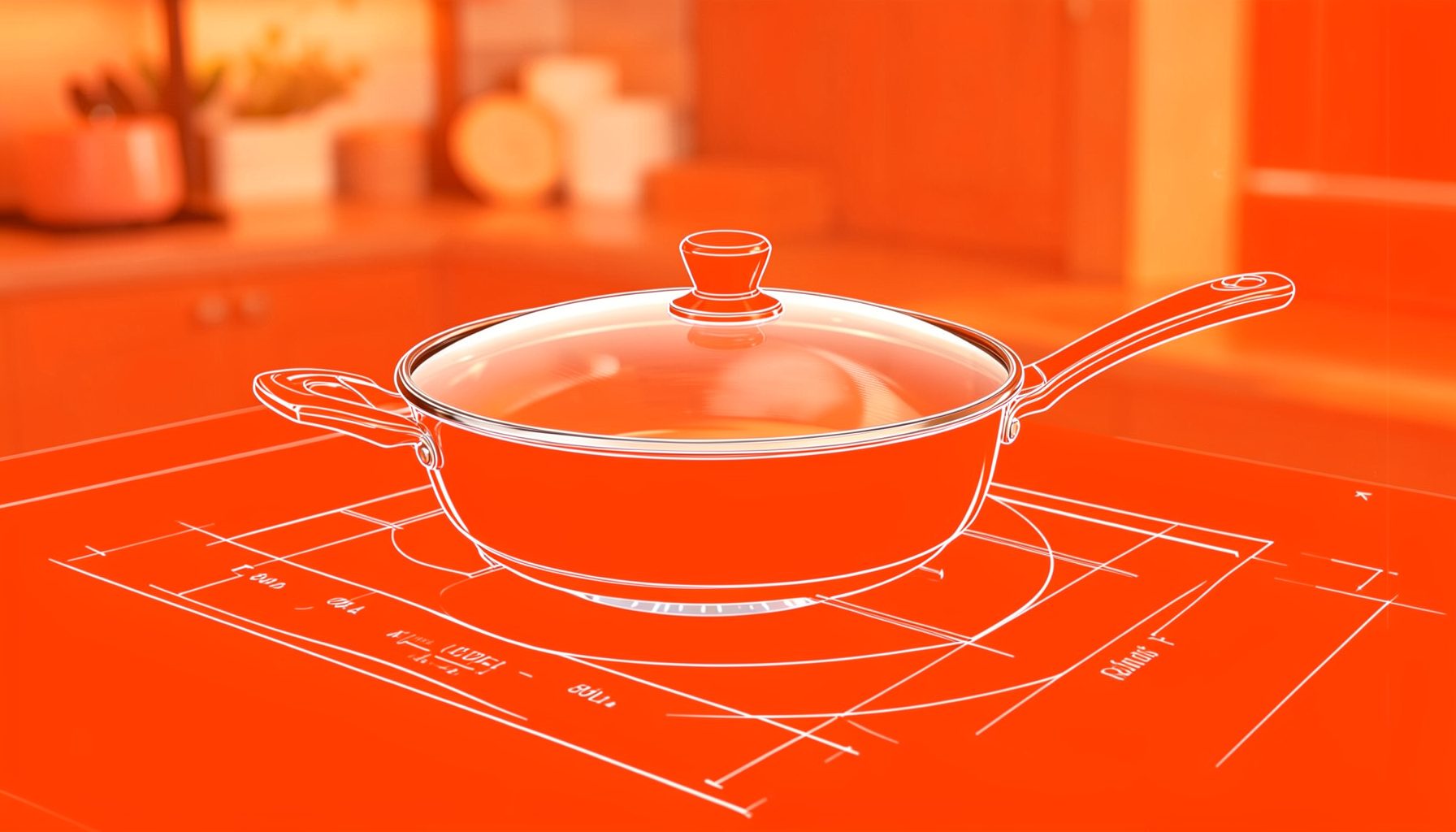
Best Frying Pans with Lids
View PicksKids’ lunch boxes that keep food cold all day
The five leading kids’ lunch boxes for keeping food cold all day are not necessarily those with the most compartments. Cold retention depends on insulation, seal, capacity and how much ice the box can carry. A useful pick must survive a backpack, lunch break and walk home without leaking or becoming awkward to clean.
That matters because a mild Melbourne morning can become warm by lunch, while a Brisbane school day may start above 30°C. Full-day cooling is a practical target from drop-off to afternoon pickup, not a promise that every item remains frozen. Perishable food still needs disciplined cold control.
Each recommendation is assessed on insulation, closure, lining, space, carrying comfort and ice-pack capacity. Repairability counts too, since a failed zip or missing gel pack can ruin a long school day. Ordinary bags remain sensible for snacks, but not for this cold-retention shortlist.
Australian shoppers often see insulated lunch bags, soft coolers and rigid esky-style boxes grouped together, priced from about A$25 to over A$100. Check listings at Officeworks, Kmart, Bunnings, Woolworths, Coles or Amazon.com.au. As names and colours change, the five picks below focus on dependable construction.
Why Australian school days challenge ordinary lunch boxes
A school canteen may stock chilled drinks, but that does not mean every child’s sandwich or yoghurt is refrigerated. Lunch may sit in a classroom, locker or bench until home. Humid Sydney summers add moisture, while Adelaide and Canberra can shift from cool at assembly to hot at pickup.
Australian school lunches often mix temperatures: a cheese or Vegemite sandwich, banana, crackers, carrots and yoghurt travel together only if cold and dry items are separated. Ice packs should not make the bag damp, and water bottles belong outside the insulated compartment unless it can contain leaks.
What actually determines cold retention
Cold retention is a property of the container and its contents. Reflective lining slows radiant heat, foam or EVA slows conduction, and a close zip limits warm-air exchange. A sealed food jar keeps milk cold but cannot chill a sandwich beside it. Frozen packs replace the heat lost over several hours.
A fair comparison starts with the bag and food chilled overnight, gel packs frozen solid and the same load in realistic indoor conditions. Check temperature at midday and after school, count openings and note leaks. The same evidence-first approach matters when adults read real-money slot information: transparency and risk belong in the assessment, just as temperature and leak testing belong in a lunchbox assessment.
Larger is not automatically better. Empty space warms quickly, while a tightly packed bag can crush delicate food. Choose the smallest capacity that holds lunch, drink and packs without compression. Check internal dimensions because external litres can hide thick insulation and unusable corners.
Recommended lunch boxes for Australian school days
The shortlist ranks five practical formats rather than one colour or model, keeping the advice useful when a retailer sells out of a variant.
- Best overall: a 12–16 litre soft insulated lunch bag. Choose a zip-top model with a wipe-clean PEVA lining, close-fitting insulation, an adjustable strap and room for at least two 500 ml gel packs. It balances capacity, flexibility and school-bag fit, usually keeping chilled food safe through a normal day when packed correctly.
- Best for maximum cold retention: an 8–12 litre rigid insulated lunch box. A foam or EVA shell, secure latch and sealed inner container resist crushing and reduce heat gain better than many soft bags. It suits full-day childcare, travel or a school without refrigerated lunch storage, although it takes more room.
- Best for active children: a 14–18 litre insulated lunch backpack. A separate chilled compartment, bottle sleeve and comfortable padded straps make it practical for school sport, walking or cycling. The backpack must still include insulated lunch storage and frozen packs; padding alone provides little cold protection.
- Best for small lunches: a 7–9 litre compact insulated tote. This format works well for preschool, short school days and children who eat little. One full-size frozen pack and a tightly fitted inner container are essential. Easier cleaning, lower weight and less wasted space are its main advantages.
- Best value: an 8–12 litre PEVA-lined insulated lunch box. Prioritise covered seams, a robust zip, a replaceable pack and straightforward care over decorative extras. This construction gives useful performance per dollar when a supermarket model includes a genuine insulated panel rather than thin foil.
For most Australian schoolchildren, the 12–16 litre soft bag is the simplest all-rounder. The rigid format wins when cold retention matters more than flexibility, while the compact option suits a short day or light eater. Before buying, check internal measurements and confirm that a full set of ice packs fits without forcing the zip.
Packing for a full Australian school day
Pre-chill the insulated bag and food containers in the fridge overnight, then freeze the gel packs solid. Load chilled food first, place packs above and below dairy, egg or meat fillings, and keep the warmest item away from the opening. A frozen water bottle can provide both a drink and a source of cold if it has enough room to freeze.
Food safety is the limit that marketing cannot remove. Perishable Australian lunches should remain below 5°C. As a conservative rule, food kept above that temperature for more than two hours should be discarded, with that window reduced to one hour when surroundings exceed 32°C. Test a packed lunch at home before relying on it through a heatwave.
Pack wet foods in leakproof containers and keep raw fruit separate from sandwiches until eating. Condensation forms when a chilled container meets warm air, so a small towel or absorbent liner can keep the lining dry. Do not place an unprotected drink bottle inside the insulated section, and let hot foods cool before sealing them beside cold items.
Matching the lunch box to your family routine
Capacity should reflect the actual routine, including a crowded school bag, storage cube, after-school care and sport. A child carrying books, a device and a full water bottle needs a slim bag with a removable strap, while a child who walks home may prefer a backpack with a bottle compartment. Check that the interior is easy to reach and wipe clean after spills.
Value is more useful than a low price. Compare insulation thickness, closure quality, included pack sizes, warranty and replacement-pack availability, then check the final price and stock with Australian sellers. A model costing A$20 more may be better if its zip, lining and panels are stronger and its parts can be replaced rather than discarded.
For beach days, cricket or camping, a larger soft cooler may have to hold more than one child’s meal. Keep separate smaller lunch boxes inside it and use a full-size frozen pack so the outer cooler does not have to do all the work. Families furnishing a broader warm-weather setup may also consult our backyard hammock guide, but a lunch container still needs its own ice and should not be treated as a camping cooler unless its capacity and insulation are rated for that job.
The best choice is the format that matches the child’s day rather than the most elaborate model on the shelf. Soft bags suit the widest range of school routines, rigid boxes give the strongest cold protection, backpacks suit active children, compact totes suit short days, and a well-built value model can meet many families’ needs.
The detail to remember is simple: choose a well-insulated, well-sealed design sized for the real day, pre-chill it, use frozen packs, and treat below 5°C as the food-safety line rather than relying on the word “all day”.