Curated reviews and top-rated picks across electronics, kitchenware, phone accessories, and more.
Get a Free Quote




Trusted Product Reviews Since 2022
Symfonycamp publishes carefully researched product recommendations across categories including home electronics, kitchen, phone accessories, audio gear, and more. Each article highlights top-rated items with detailed ratings and direct links to learn more.
Explore Reviews
Our Review Categories
Explore top-rated products across every category we cover
 Bike Gear
 Audio
 Microphones
 Batteries
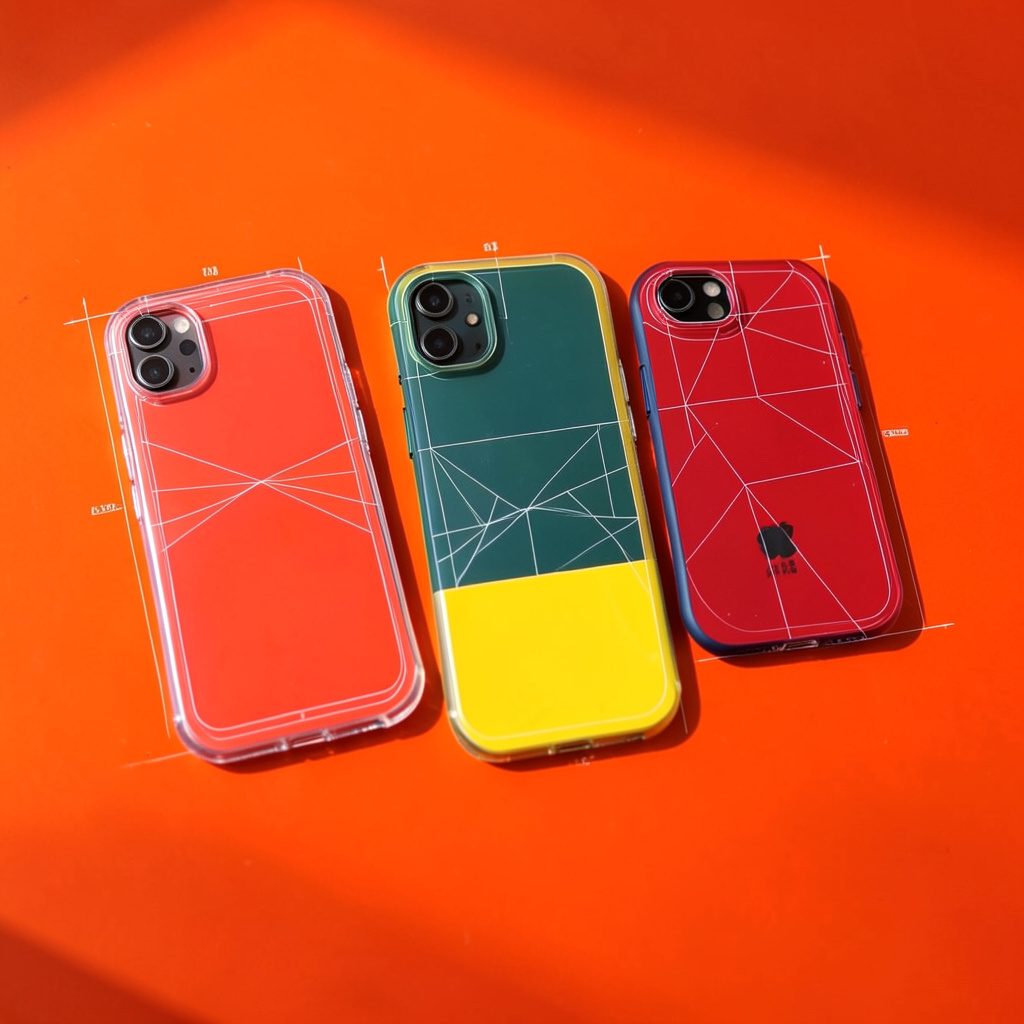 Phone Cases
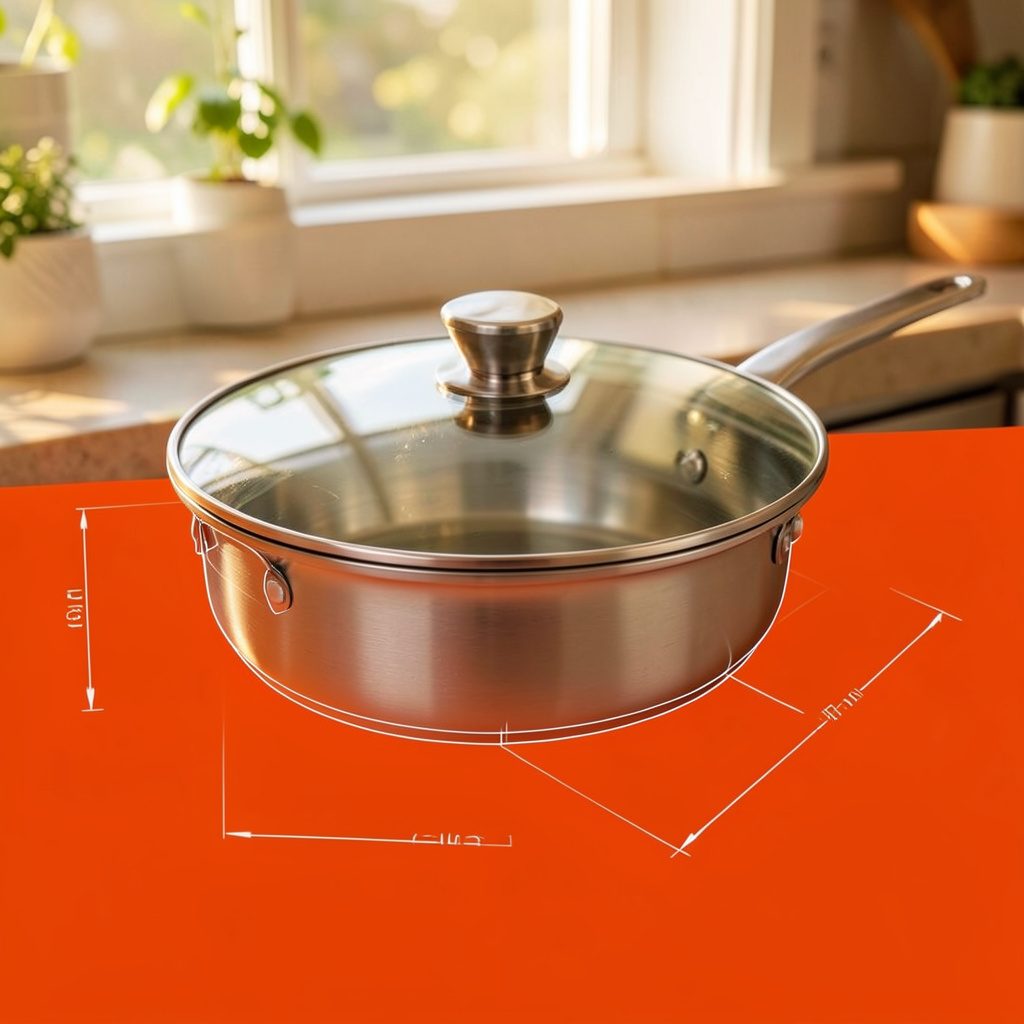 Kitchen
Why Readers Trust Symfonycamp
- Curated top-10 lists with clear ratings for every product
- Reviews grounded in real product features and user feedback
- Categories spanning electronics, kitchen, audio, and accessories
- Direct links to check current prices and availability
- Published articles dating back to April 2022
- Ratings as high as 9.9 for standout products

Ready to Find Your Next Great Purchase?


Featured Review: Best Bike Phone Mount from Andobil
Published July 1, 2022 — our detailed breakdown of Andobil bike phone mounts covers military-grade stability, anti-shake technology, and compatibility with iPhone and Samsung Galaxy series. Top-rated models scored up to 9.9.
Read the ReviewLatest Top-Rated Picks
Best Bluetooth Headphones for iPod Nano
View Picks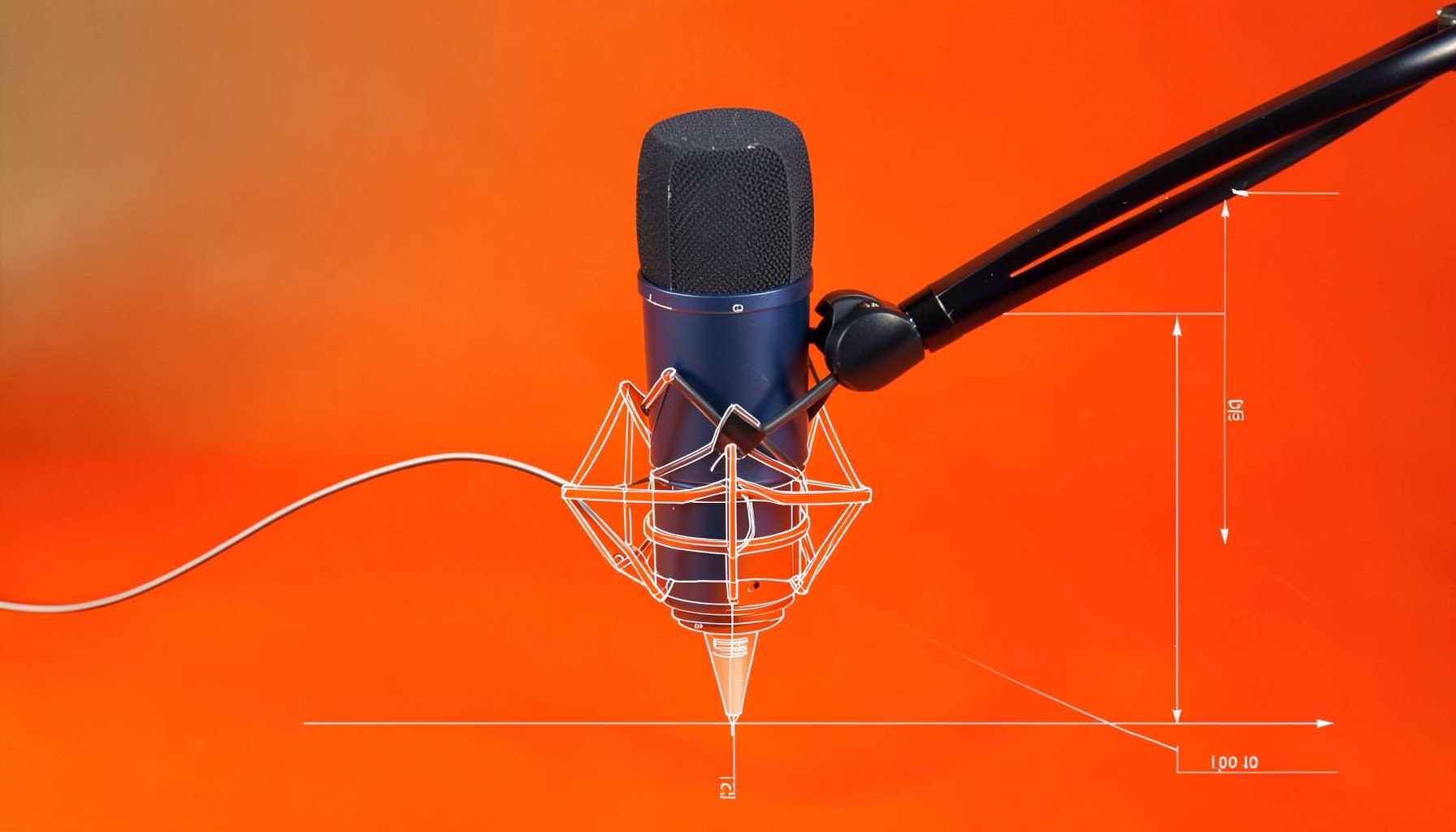
Best Blue Yeti Microphones for ASMR
View Picks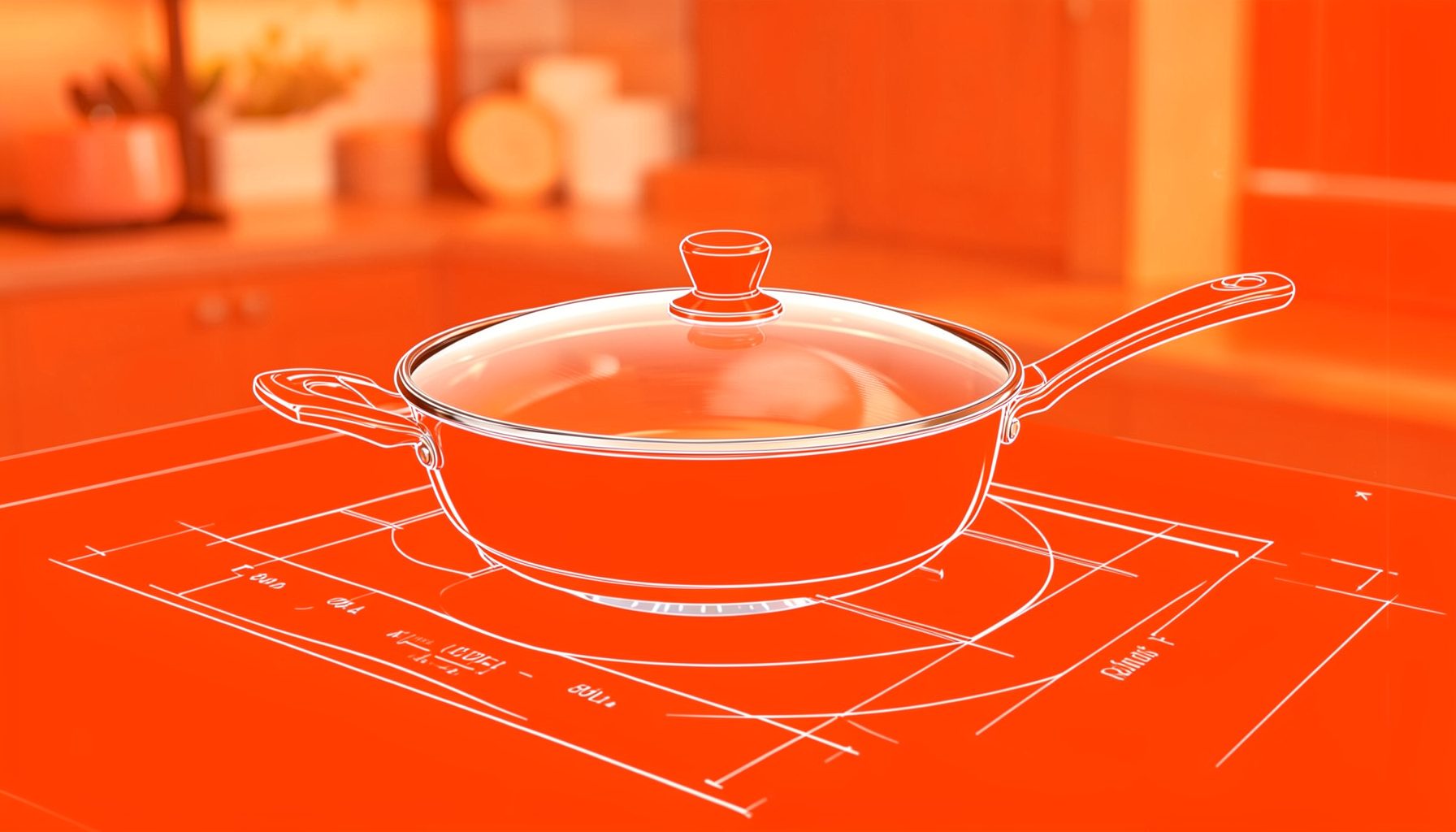
Best Frying Pans with Lids
View PicksSmart smoke detectors that send alerts to your phone
A connected smoke detector adds useful reach to an ordinary safety device: even when nobody hears the alarm inside, a phone notification can alert an adult elsewhere in the home or on the way home from work. The notification is an added layer, though—not a replacement for a working local siren. Phone batteries, disconnected Wi-Fi and notification settings can all fail at the wrong moment.
Australian buyers also need to consider more than software features. The alarm must meet the applicable Australian standard, operate correctly alongside the other detectors in the property, and provide the coverage required by state housing rules. A model with an excellent app but no local certification is not a suitable primary smoke alarm.
The best options therefore balance detection performance, reliable interconnection, understandable setup and useful phone alerts. Local support and access to replacement parts matter too, particularly for households in Sydney, Melbourne, Brisbane and other cities where rental properties and multistorey homes are common. Compatibility with an existing smart-home system can then improve value without becoming another complicated installation.
What makes a connected alarm worth buying
Sensor technology is the first filter. Photoelectric detectors are particularly effective at detecting smoke from smouldering fires, while dual-sensor models can also respond to fast-moving flames. Australian sales are moving away from ionisation-only models, making photoelectric or dual-sensor units the more future-focused choice. An alarm with a sealed long-life battery also removes the most common maintenance annoyance: chasing down a low-battery warning in a ceiling.
Australian kitchens create a familiar nuisance-alarm problem. Cooking steam, outdoor meals, open windows and air-conditioning airflow can all affect how a detector behaves during summer. Our portable air conditioner guide covers cooling choices for compact apartments, but changing an alarm’s position to suit ventilation is never the solution. Placement should follow the manufacturer’s instructions.
Useful connected features include remote status checks, event history, audible test alerts and firmware updates. A test button is essential, and a hush function can help with an unavoidable cooking trigger. Carbon-monoxide sensing is a worthwhile bonus in a combined model, although it does not replace a dedicated smoke alarm or change the placement rules for CO detection. Interconnection remains a separate feature: two detectors sharing an app are not necessarily able to warn each other.
Leading choices for Australian households
The most straightforward locally supported option is FPASA’s HIVE connected smoke alarm. It uses photoelectric sensing, supports wireless interconnection and provides notifications through the HIVE hub and phone app. Current models use a ten-year sealed battery, reducing replacement costs over the alarm’s lifetime. This is the most appealing choice for households that want mobile alerts without assembling a complex collection of third-party devices. Buyers should confirm that the retail bundle includes the required hub and that the alarm is approved for installation in their state.
First Alert’s Home Companion suits an existing Z-Wave ecosystem. It combines photoelectric smoke detection, carbon-monoxide sensing and spoken warnings, while Z-Wave connectivity can feed alerts into a compatible hub and its associated phone app. That makes it attractive for people who already operate a Z-Wave controller. The local siren remains the primary warning, however, and the hub must provide the notification path. Availability and certification vary by model, so check for the Australian version rather than assuming a parallel import is equivalent.
A Zigbee model such as nonissuer’s Orion smart smoke alarm offers more flexibility. Instead of depending on a proprietary phone connection, it can work through a compatible smart-home gateway, which appeals to Home Assistant and other open-platform users. This route demands more setup and careful checking of the exact model, gateway and regional radio requirements. It offers strong value for an experienced smart-home household, but the HIVE system remains easier for a typical Australian family to install and maintain.
Apps, hubs and notification reliability
Direct Wi-Fi models offer the simplest ownership experience: connect the alarm to a home network, register the app and receive push notifications. Some products require a 2.4 GHz network or will not join a guest network, so router compatibility deserves attention before purchase. Hub-based systems take longer to configure but can integrate notifications with other home alerts and automation routines.
A phone message tells you that the detector detected smoke or a relevant event; it does not confirm the severity of a fire or guarantee that emergency services have been contacted. Home monitoring subscriptions are separate from ordinary app notifications, and professional response may cost extra. The local alarm must remain fully functional even if the internet connection disappears.
Before choosing, examine recent user feedback about missed notifications, repeated reconnection problems and app-region support. A polished interface matters less if the app repeatedly logs devices out or only alerts one family member. Confirm that multiple household members can receive warnings, that critical alerts can be enabled where supported, and that the manufacturer offers Australian warranty assistance.
False alarms and misleading online listings
Most nuisance alarms begin with an avoidable trigger: cooking steam, aerosol cleaners, incense, fireplace smoke or humidity near a bathroom. Photoelectric units generally cope well with slow smoke development but can still react to airborne particles. Test and hush functions should be used as directed, and an alarm should never be disconnected because it is inconvenient.
Search results can mix genuine product information with unrelated promotional content. Pages advertising unrelated gaming promotions have no bearing on detector testing, Australian certification or comparative performance. Treat them as separate from the buying decision and rely on retailer specifications, compliance labels and documented safety standards.
Bushfire smoke can also enter homes around Sydney and Melbourne, creating repeated alerts while there is no fire inside the building. Those messages are not a substitute for official emergency warnings or a property evacuation plan. Similarly, a heat alarm can identify rising heat but cannot detect smoke. The safest approach is to use the appropriate combination of smoke, heat and CO alarms rather than asking one device to cover every danger.
Installation, interconnection and Australian rules
Smoke alarms generally belong in every bedroom, nearby sleeping areas and living spaces. Ceiling-mounted units should sit at least 300 mm from walls; where wall mounting is permitted, the alarm normally needs to be at least 150 mm below the ceiling. Avoid corners, ceiling voids, bathroom doors, extraction vents and cooking areas. The manufacturer’s clearances take priority, and every alarm should be tested monthly by someone able to recognise a failed warning.
Interconnection has become a central requirement in Australian residential safety. NSW and Victoria now require interconnected smoke alarms in residential properties, while Queensland has extended interconnection to rental and then existing homes during 2025. State rules and implementation details can change, so buyers should check the current requirements for their address. An app connection alone does not satisfy a requirement for linked alarms to sound throughout the property.
In rental homes, the landlord is normally responsible for supplying, installing and maintaining smoke alarms. Permission should be obtained before modifying wiring or installing additional connected equipment. Mains-powered models must suit Australia’s 230 V, 50 Hz supply, and any new hardwired circuit should be handled by a qualified electrician. Owners should also diarise the replacement date printed on each alarm rather than assuming every model should last indefinitely.
Comparing price, support and long-term value
A hub can make a connected alarm look expensive at checkout, but its cost should be spread across the household. Ten-year sealed batteries can reduce ongoing expenses, while a model that joins an existing Z-Wave or Zigbee system avoids an extra hub. Subscription fees are not automatically necessary for phone push notifications, so compare any monitoring charge separately from the alarm’s core function.
Imported models can look inexpensive before all charges are included. GST generally applies to low-value imported goods, while higher-value shipments may also attract duty and customs processing. Local certification, radio compatibility, warranty returns and app-region support can all change the final value. Compare the delivered Australian-dollar price at electrical retailers and Australian marketplaces, not merely the overseas listing price.
User feedback and transparent specifications can expose weaknesses such as brittle integrations or unhelpful replacement-battery advice. Evidence about a listing or specification can also be sent through the editorial contact page for checking. The most reliable review is one that separates confirmed facts from marketing language, compares like-for-like models and accounts for Australian installation requirements.
Among locally supported choices, the FPASA HIVE system provides the best balance of straightforward setup, interconnection and phone notifications. First Alert’s Home Companion is worth considering when Z-Wave equipment is already installed, while the Orion route can suit technically confident households seeking an open smart-home approach. An uncertified imported detector may offer convenient Wi-Fi, but it should not displace compliant alarms that protect the household directly.
Before checkout, verify Australian compliance, battery life, app-region support and whether the detector can interconnect with the alarms already installed. Then pair the phone notifications, enable household access and complete a full alert test. Use phone alerts for faster awareness, but keep a correctly placed, interconnected alarm as the primary safety measure.