Curated reviews and top-rated picks across electronics, kitchenware, phone accessories, and more.
Get a Free Quote




Trusted Product Reviews Since 2022
Symfonycamp publishes carefully researched product recommendations across categories including home electronics, kitchen, phone accessories, audio gear, and more. Each article highlights top-rated items with detailed ratings and direct links to learn more.
Explore Reviews

Our Review Categories
Explore top-rated products across every category we cover
 Bike Gear
 Audio
 Microphones
 Batteries
 Phone Cases
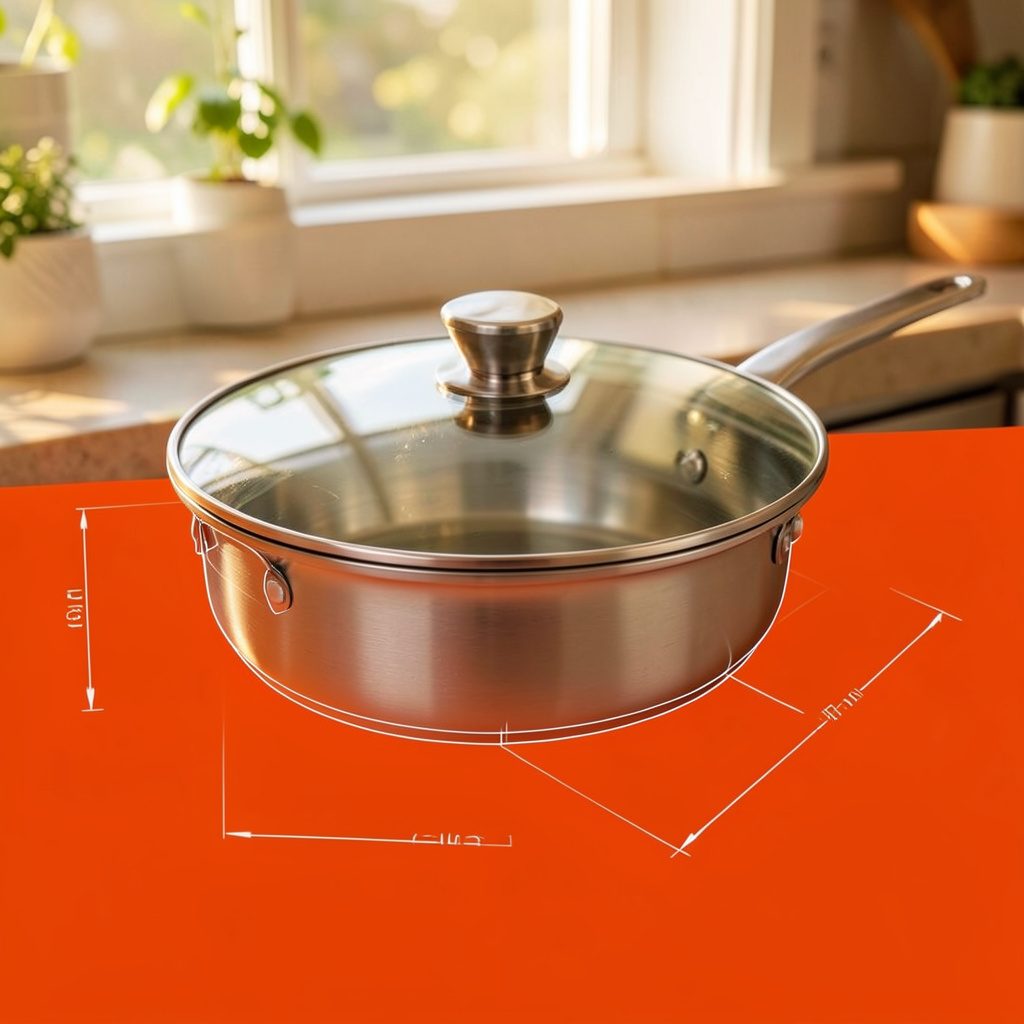 Kitchen
Why Readers Trust Symfonycamp
- Curated top-10 lists with clear ratings for every product
- Reviews grounded in real product features and user feedback
- Categories spanning electronics, kitchen, audio, and accessories
- Direct links to check current prices and availability
- Published articles dating back to April 2022
- Ratings as high as 9.9 for standout products

Ready to Find Your Next Great Purchase?


Featured Review: Best Bike Phone Mount from Andobil
Published July 1, 2022 — our detailed breakdown of Andobil bike phone mounts covers military-grade stability, anti-shake technology, and compatibility with iPhone and Samsung Galaxy series. Top-rated models scored up to 9.9.
Read the ReviewLatest Top-Rated Picks

Best Bluetooth Headphones for iPod Nano
View Picks
Best Blue Yeti Microphones for ASMR
View Picks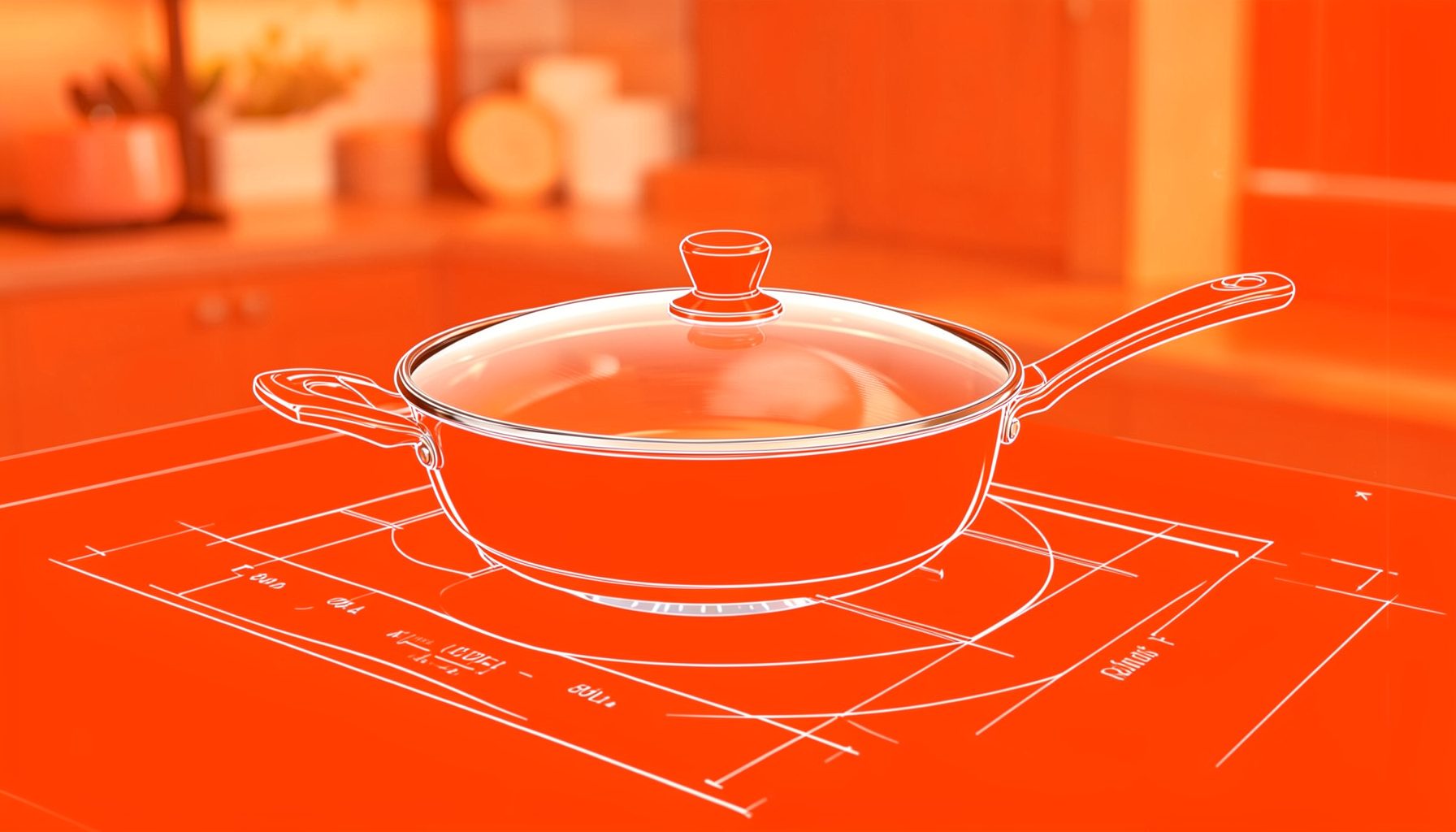
Best Frying Pans with Lids
View PicksThe best countertop compost bins for odour-free kitchen waste
Countertop compost bins give fruit and vegetable peelings, coffee grounds and tea leaves a practical destination without a trip to the garden. A good model keeps flies and cockroaches out while containing troublesome smells. The strongest choice for an Australian household is the one whose capacity matches how often it can be emptied, not automatically the largest bin available.
Australian conditions make that match especially important. Sydney and Brisbane summers can accelerate fermentation, Melbourne’s cooler weather slows it, and Perth’s dry air can disguise a bin that is too wet. Apartment kitchens, strata rules and council organics services add another layer, so odour control matters as much as the composting process itself.
What separates a useful composter from a sealed caddy
Most manual countertop composters collect kitchen waste in a ventilated chamber and let it decompose without powered mixing. They are quiet, but compost may remain unfinished for months. Electric food recyclers typically use heat and forced air to create dry crumbs; those crumbs reduce waste but are not compost.
Manual units work best with removable buckets, a solid base and enough dry brown material, such as shredded paper, to balance wet scraps. Electric models add aeration, tighter seals and filtered exhaust. Sealed anaerobic systems take a different route, retaining liquid rather than producing oxygen-based compost.
Odor control is a system rather than one feature. A close-fitting lid, washable surfaces, controlled airflow and a replaceable activated-carbon filter work together. A bin that seals smells in but traps sour liquid can be worse than a simple ventilated design once moisture accumulates.
Recommended formats for common Australian households
Household size, available bench space and local waste rules narrow the field quickly. These format-based recommendations favour useful design, manageable upkeep and durability over a fashionable label.
- Best overall: A 12–18 litre manual unit with two chambers, a removable solid base and replaceable carbon filter. It suits mixed produce and is easy to maintain.
- Best for small apartments: A compact 7–10 litre model that empties weekly. Confirm that your building allows food-scrap storage before buying.
- Best for odour control: A sealed electric composter with active aeration and filtered ventilation. Look for a washable chamber and quiet motor.
- Best value: A straightforward 8–12 litre manual bin with a tight lid, sturdy plastic or coated metal and available replacement parts.
- Best for larger households: An 18–20 litre or larger unit with a wide opening and lift-out inner bin, preventing a full load from spilling.
- Best for producing castings indoors: A countertop worm bin. It needs stable moisture and shade in hot weather, but uses little space and creates little odour.
Match the recommendation to actual waste volume rather than the capacity printed on the label. A small household buying a large bin often creates the worst conditions: sealed scraps, stagnant material and odours that appear long before the container is full.
Keeping odour out through Australian summers
Hot weather raises the temperature inside a compost bin and speeds microbial activity, which is useful until the mix becomes hot, wet and anaerobic. In Brisbane and coastal Sydney, processing smaller batches more often can be more effective than waiting for a large load. Cooler Melbourne conditions slow activity, so fresh scraps still need dry carbon material mixed through them.
Perth’s dry climate reduces visible moisture but does not prevent fruit flies arriving around uncovered food. Keep lids shut, wash residue promptly and avoid leaving food exposed beside the composter. Carbon filters absorb odour molecules, but they do not remove gases already circulating in the kitchen, so replacement cartridges should be kept on hand.
Balance the input as well. Fruit and vegetable scraps, tea leaves, coffee grounds and crushed eggshells are useful, while meat, dairy, oily food and large quantities of liquid can create odours and pests. Use certified compostable liners only where the council accepts them; standards such as AS 4736 or AS 5810 indicate compostability under defined conditions, not automatic kerbside acceptance.
Capacity, strata rules and council collections
Measure the usable footprint before comparing models, including the lid swing and space needed to remove a full inner bucket. Under-bench models often hold only 7–10 litres, while countertop formats may reach 20 litres or more. A bin squeezed into a gap beside a toaster will be harder to use consistently than one within easy reach.
Australians often call garden food-waste collections the green bin, although council labels differ between FOGO, organics and general-waste services. In shared apartment bin rooms in Sydney, Melbourne and Brisbane, strata managers may restrict what can be stored. Check current council guidelines for accepted liners and whether kitchen caddies must be returned to a communal collection point.
Capacity also depends on discipline, so buy for the routine you will actually keep. As with this beginner telescope guide, comparing size against intended use is more useful than choosing on appearance alone.
Manual, electric and sealed systems compared
Manual composting has the lowest purchase and running costs. It requires occasional turning or emptying of a smaller chamber, and finished compost may take several months in mild conditions. Models with smooth interiors and removable parts are easier to clean, while complicated mechanisms rarely improve a small batch enough to justify their extra components.
Electric units trade higher upfront costs for faster processing and less intervention. Australian homes use 230 V power and Type I plugs, so check that the supplied lead reaches a suitable outlet without an extension. Compare motor noise, standby consumption, chamber size and whether replacement filters are sold locally; an imported model without local support can be poor value.
Sealed anaerobic countertop units are marketed as odour-controlled, but they create acidic liquid and can release methane, so they are not interchangeable with aerobic composters. Never pour the liquid into a kitchen sink. Worm bins use living worms to create castings and need cool, moist, well-shaded conditions, particularly during an Australian summer.
Build quality, value and buyer feedback
Build quality shows up in the details: stainless steel or thick, UV-resistant plastic; a gasket that closes evenly; a base that does not flex; and internal parts that can be scrubbed or placed in a dishwasher. Check whether the carbon filter is replaceable rather than permanently sealed, because odour performance will eventually decline.
The Australian market includes local hardware stores, specialist suppliers and marketplace sellers, with prices normally shown in Australian dollars and GST included. Compare the delivered price, stock, dimensions and replacement-filter cost rather than the lowest headline figure. Imported electrical products may also require a local adaptor and create additional return complications.
Long-term owner feedback can reveal warping, failed lids and difficult cleaning that photographs conceal. Cross-checking supplementary product research alongside current ratings and verified buyer comments gives a better picture, while product listings remain the place to confirm today’s price and availability.
A routine that keeps kitchen waste odour-free
Use a small countertop kitchen caddy for a day’s scraps and empty it into the composter every day or two. Scrape residue from the caddy, add shredded paper when scraps are wet and cover each new layer. This short routine keeps the working batch aerobic and prevents odour from developing in the gap before the main bin is full.
Clean the removable bucket with hot, soapy water, dry it completely and inspect the gasket and filter monthly. Replace the filter when kitchen odours become noticeable, following the manufacturer’s instructions. Outdoor worm bins need protection from direct sun and heavy rain, while indoor electric units need airflow around their vents.
Finished compost can be mixed into garden beds or disposed of through the organics stream where local rules permit. No countertop bin changes which waste streams councils accept. The unit worth remembering is the one that contains kitchen waste reliably, keeps the compost biologically active and makes a cleaning routine easy enough to maintain every week.