Curated reviews and top-rated picks across electronics, kitchenware, phone accessories, and more.
Get a Free Quote




Trusted Product Reviews Since 2022
Symfonycamp publishes carefully researched product recommendations across categories including home electronics, kitchen, phone accessories, audio gear, and more. Each article highlights top-rated items with detailed ratings and direct links to learn more.
Explore Reviews

Our Review Categories
Explore top-rated products across every category we cover
 Bike Gear
 Audio
 Microphones
 Batteries
 Phone Cases
 Kitchen
Why Readers Trust Symfonycamp
- Curated top-10 lists with clear ratings for every product
- Reviews grounded in real product features and user feedback
- Categories spanning electronics, kitchen, audio, and accessories
- Direct links to check current prices and availability
- Published articles dating back to April 2022
- Ratings as high as 9.9 for standout products

Ready to Find Your Next Great Purchase?


Featured Review: Best Bike Phone Mount from Andobil
Published July 1, 2022 — our detailed breakdown of Andobil bike phone mounts covers military-grade stability, anti-shake technology, and compatibility with iPhone and Samsung Galaxy series. Top-rated models scored up to 9.9.
Read the ReviewLatest Top-Rated Picks

Best Bluetooth Headphones for iPod Nano
View Picks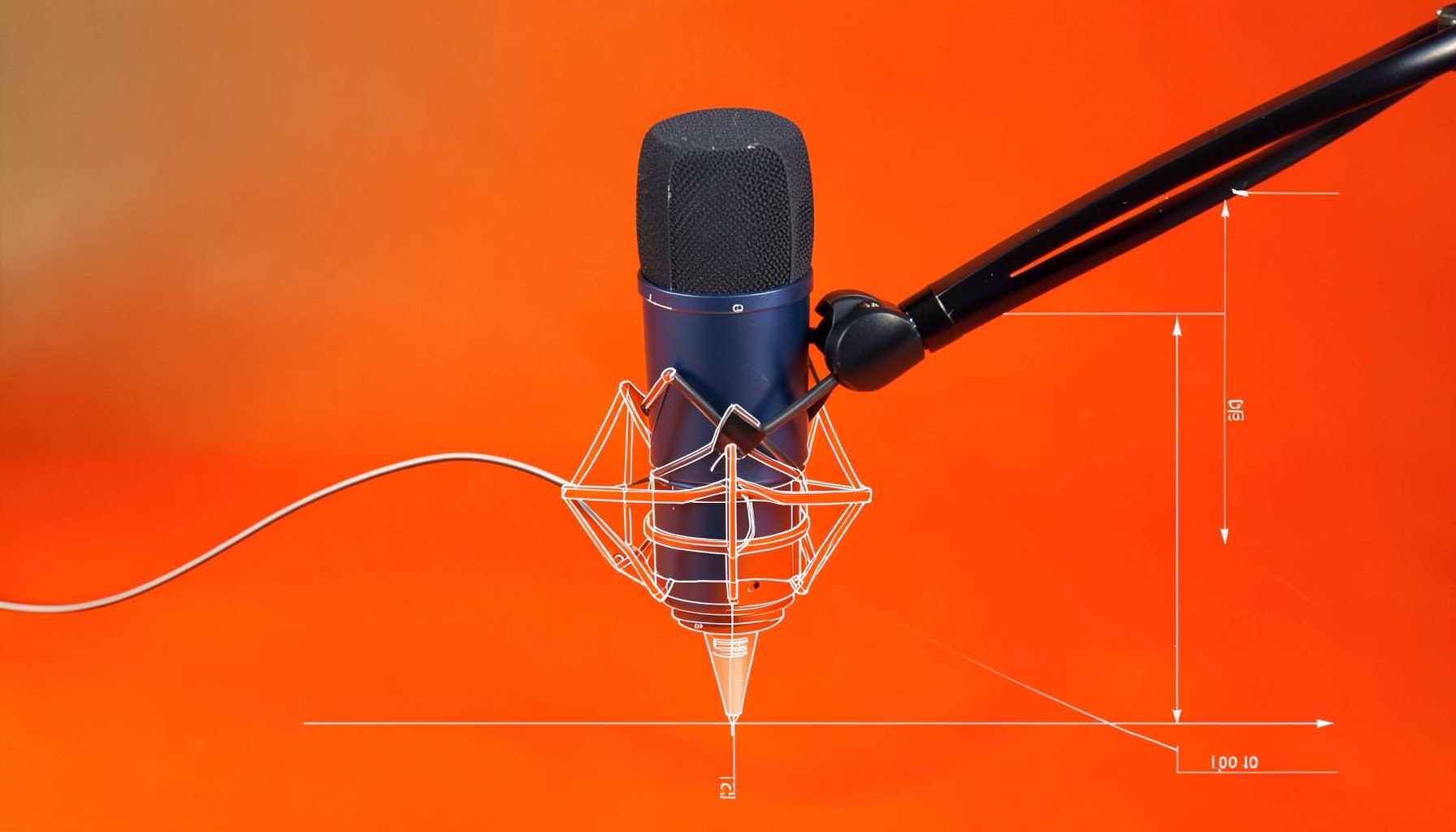
Best Blue Yeti Microphones for ASMR
View Picks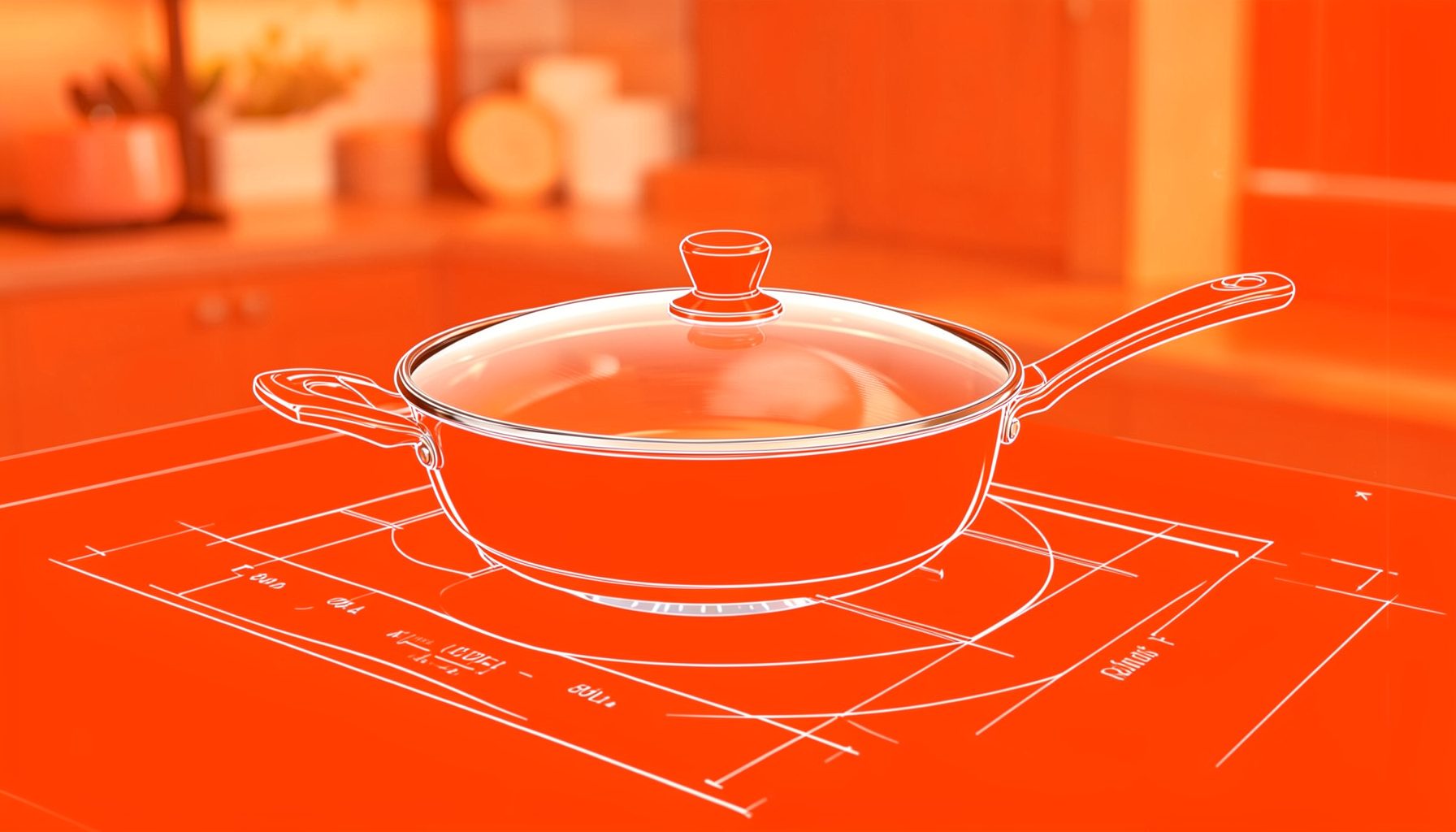
Best Frying Pans with Lids
View PicksThe best portable water filters for backpacking
Fresh water can turn a warm campsite into a comfortable one. The best portable water filters for backpacking remove particles, bacteria, and many parasites from lakes, streams, and taps without the bulk of a pot of treated water. They are small enough for a day pack and straightforward to refill during breaks.
A filter is not necessarily a purifier. Most backpacking models use a hollow-fiber membrane or replaceable cartridge to reduce bacteria, protozoa, and sediment, but they generally do not claim to remove viruses. A purifier has a tighter purification standard and may also treat viruses. For known-safe water, a filter is enough; for cloudy, stagnant, or chemically questionable sources, the distinction matters.
The right choice depends less on the longest advertised spec than on how you will actually drink water. Consider the sources on your route, daily demand per person, desired filtering time, and exposure to freezing. A lightweight model that clogs on silt or cannot be refilled in the field is only a bargain on paper.
What these filters can remove
Match the claims to the contaminant, not just a generic “micrometer” rating. A common hollow-fiber filter uses pores around 0.1 to 0.2 microns to exclude many bacteria and protozoan cysts. Cartridge systems may use similar barriers but vary in the organisms they target. Read the tested list, capacity, and service intervals before comparing models.
Source quality changes what the unit can do. A clear, moving stream is usually easier on a filter than a shallow, silty puddle. Pre-filtering through a coffee filter, bandana, or intake screen can protect the membrane and improve consistency. If water is cloudy enough that debris remains after shaking, collect clearer water or use an approved chemical backup.
Cleanliness is only half the equation. A damp membrane can develop odors or support microbial growth between trips. Rinse, backflush, and dry it as directed, then store it in a clean bag. Replacement cartridges and proprietary parts should be available before remote travel.
Hollow fiber and cartridge designs compared
Hollow-fiber filters suit frequent trail use because their membranes resist ordinary sediment and can often be cleaned in place. Models such as the Sawyer Squeeze and Katadyn BeFree emphasize high flow, bottle attachment, and backflushing. Their main weakness is freezing, which can damage the membrane or housing.
Cartridge filters, such as the Platypus QuickDraw, pack compactly and work with standard bottles or hoses. They are easy to inspect and replace, which helps after clogging or accidental freezing. Check replacement cost and regional availability; a cartridge that is difficult to find can still end a trip.
Pump and gravity systems trade compactness for higher output. A pump can move liters quickly through a larger membrane, while a gravity unit hangs from a tree without repeated squeezing. Straw-style filters are lightest but generally deliver less per stroke. Choose them for small daily demand, not for a hot camp where everyone needs a full bottle.
Flow rate under campsite conditions
Advertised flow rates are comparisons, not promises. A unit rated at 1.5 liters per minute may slow sharply as sediment loads the fibers. Ratings may reflect clean water and generous test conditions. Compare similar conditions and allow extra time for camp cooking and cleanup.
Test for repeatable performance rather than a single impressive demonstration. Watch the first liter, the tenth liter, and recovery after backflushing. A filter that starts quickly then becomes painfully slow suits dry camps poorly. A prefilter and spare cartridge help on silty routes.
Speed is only part of the trip. A hose can save effort when filling several bottles, but fittings consume space and create leak points. Match the mechanism to the group: one quick squeeze may outperform a communal pump for a solo hiker.
Capacity weight and packing
Capacity claims often refer to output between cleanings, not water held at once. A high-capacity filter may require a large dirty-water bag and several clean bottles, making the complete setup heavier than a compact unit. Total the filter, bags, hoses, adapters, and spare parts you will carry.
Weight should be judged with the kit attached. A bare filter may look lighter until you include the bottle, output hose, or adapter needed in use. Compare packed weight rather than a product-page number. Small differences matter less than a cracked housing or leaking seal.
Maintenance and storage deserve as much attention as weight. A membrane that must remain dry for days may suit vehicle-based travel poorly. Pumps add moving parts, while cartridges add recurring costs. Check whether cleaning needs proprietary tools and how often consumables must be replaced.
Strong choices for common trip styles
For the strongest all-around balance of flow, serviceability, and pack weight, the Sawyer Squeeze is a benchmark. Its simple bottle interface, effective backflushing, and broad availability suit hikers refilling from varied sources. Protect it from freezing and treat it as a durable tool.
The Katadyn BeFree is compelling for hikers prioritizing quick output and low weight. It filters rapidly, accepts common bottle sizes, and has a large capacity for its class. Trade-offs are greater vulnerability to punctures and freezing. In either design, correct assembly and cleanliness matter more than laboratory flow differences. Additional independent field-testing resources can help confirm practical impressions before purchase.
For minimal bulk, the Platypus QuickDraw works directly with common bottles and stores in a small pocket. Cartridge replacement is simple, but a spent element can stop a trip if none is available locally. Check the price and shelf life of the exact cartridge before committing.
Gravity filtration fills a different niche. A hanging model can serve a group without someone pumping continuously and is comfortable near camp. Its hoses, bags, and hanging hardware take more space than a squeeze filter. It suits relaxed campsite use, not fast withdrawals while hiking.
Clean water and higher-risk sources
Know when a filter is insufficient. Chemical contamination, salt, industrial pollutants, and viruses fall outside most portable filters’ ordinary claims. A chemical backup does not make questionable water suitable when the filter cannot remove the relevant hazard. Use purification ratings, professional guidance, or an alternate source rather than assuming clear-looking water is safe.
Virus risk depends on travel, sanitation, and local advisories. Where pathogen risk is documented, a true purifier or treatment plan may be more appropriate than a standard filter. Carry the backup method you can use correctly, including its required dose and contact time. For known-safe tap water, filtration may be unnecessary.
Keeping drinking water cold is separate from making it safe. Comparisons of countertop nugget ice makers suit stationary camps, but those powered appliances are irrelevant on a backpacking trip; filtered water should remain in clean, closable containers and be kept cold separately.
A practical buying and testing plan
Build a shortlist around the trip instead of a single “best” badge. Solo hikers may choose a fast squeeze filter; groups may favor a pump or gravity system; travelers crossing silty or questionable sources should prioritize cleaning and purification. Include adapters and storage in the cost, because accessories can make a good filter awkward.
Reviews are most useful when they describe repeat use rather than a first pour from pristine water. Look for reports about clogging, backflush recovery, freeze damage, seal durability, and replacement availability. Warranty service and local parts support matter, but cannot rescue a poor fit. Value means dependable output for the whole route.
Before checkout, fill a one-liter bottle with the dirtier water you realistically expect, run your shortlisted filter from a full charge, and record the elapsed time and any leakage. This field-style measurement shows whether advertised flow and handling match your trip.