Curated reviews and top-rated picks across electronics, kitchenware, phone accessories, and more.
Get a Free Quote




Trusted Product Reviews Since 2022
Symfonycamp publishes carefully researched product recommendations across categories including home electronics, kitchen, phone accessories, audio gear, and more. Each article highlights top-rated items with detailed ratings and direct links to learn more.
Explore Reviews
Our Review Categories
Explore top-rated products across every category we cover
 Bike Gear
 Audio
 Microphones
 Batteries
 Phone Cases
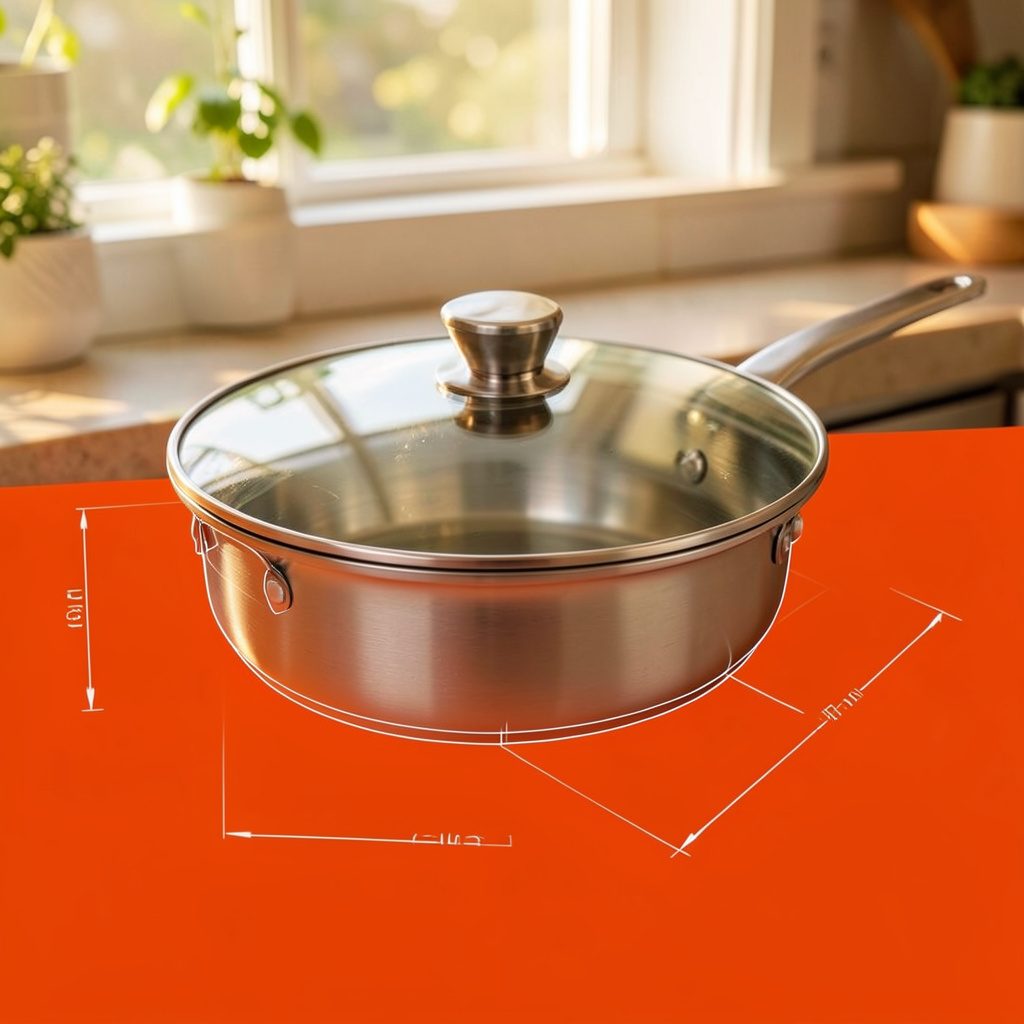 Kitchen
Why Readers Trust Symfonycamp
- Curated top-10 lists with clear ratings for every product
- Reviews grounded in real product features and user feedback
- Categories spanning electronics, kitchen, audio, and accessories
- Direct links to check current prices and availability
- Published articles dating back to April 2022
- Ratings as high as 9.9 for standout products
Ready to Find Your Next Great Purchase?


Featured Review: Best Bike Phone Mount from Andobil
Published July 1, 2022 — our detailed breakdown of Andobil bike phone mounts covers military-grade stability, anti-shake technology, and compatibility with iPhone and Samsung Galaxy series. Top-rated models scored up to 9.9.
Read the ReviewLatest Top-Rated Picks
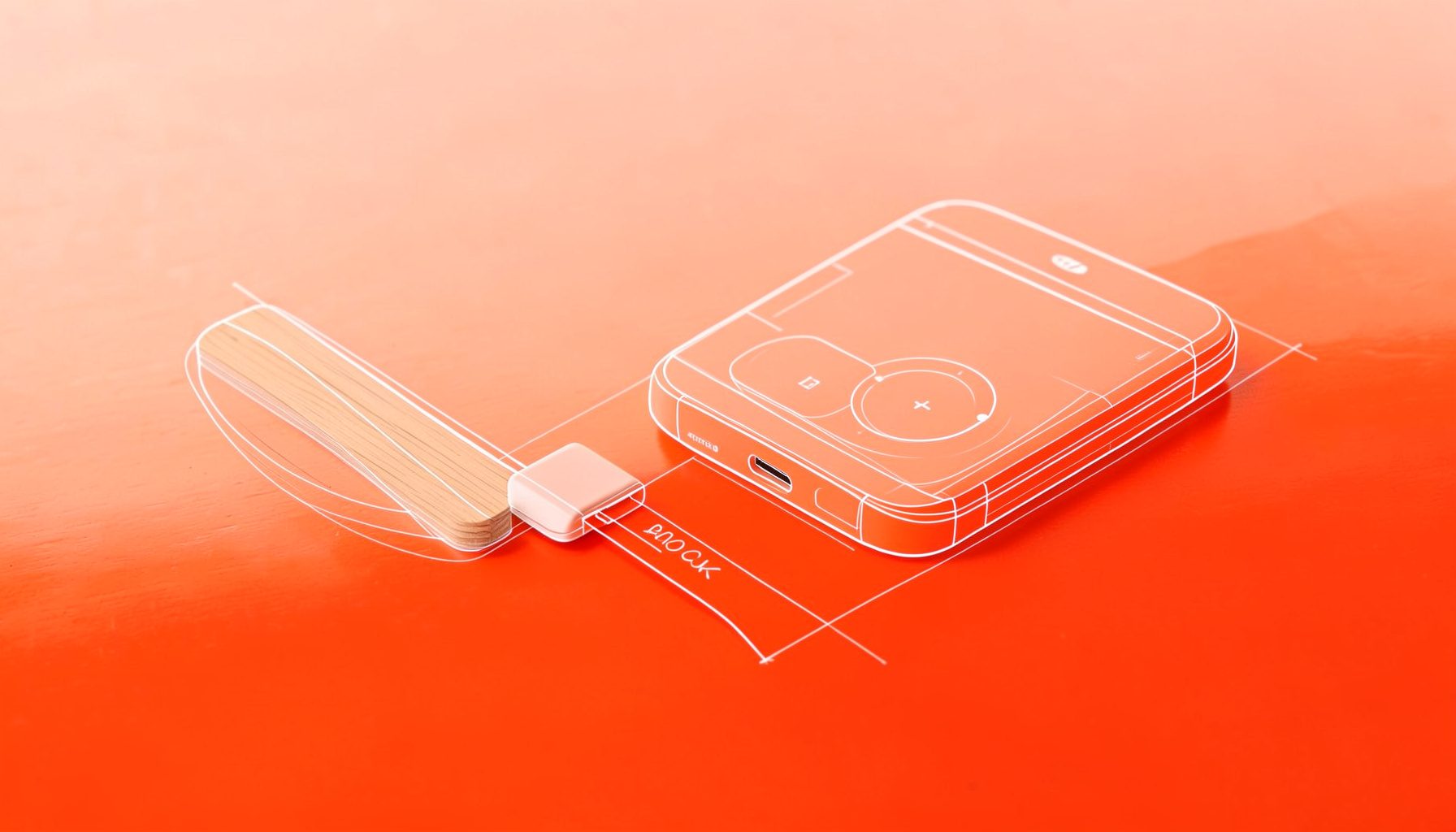
Best Bluetooth Headphones for iPod Nano
View Picks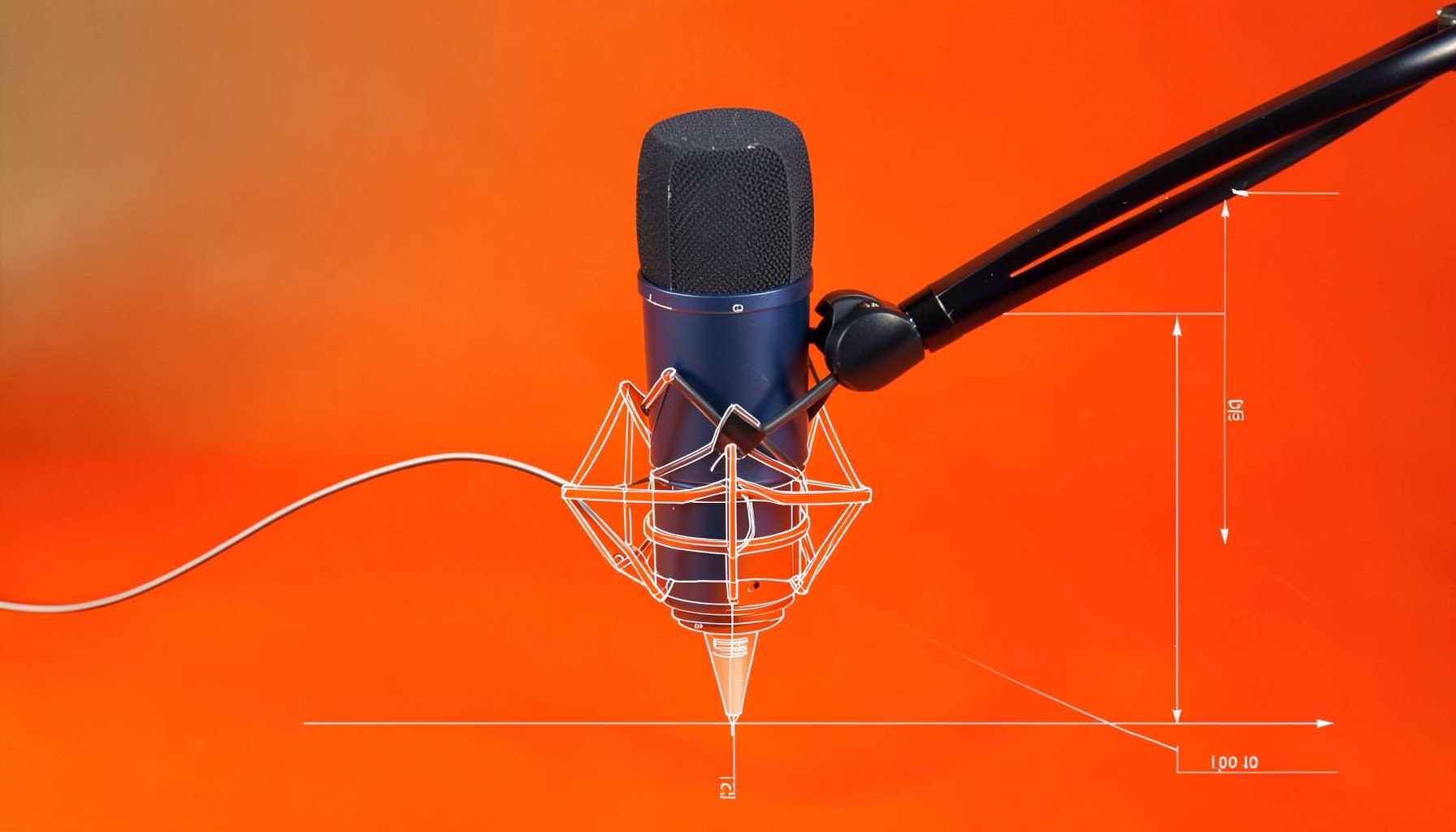
Best Blue Yeti Microphones for ASMR
View Picks
Best Frying Pans with Lids
View PicksPour over kettles for controlled brewing
Pour over coffee rewards consistency more than expensive equipment. The kettle controls water temperature, pour speed and how much momentum reaches the coffee bed. A steady stream helps the grounds bloom evenly, extract flavour without overwhelming the filter and produce the same result from one batch to the next.
Australian mornings add another layer to kettle design. Many households prepare filter coffee alongside tea, oats or instant noodles, while Melbourne and Sydney’s café culture has made home brewing part of the daily routine. A versatile kettle must therefore handle both precise coffee preparation and the occasional need for near-boiling water.
The best pour over coffee kettles for controlled brewing share several useful qualities: a narrow gooseneck, responsive temperature adjustment, a balanced handle and enough capacity for the intended batch size. Some prioritise precision, others affordability or simple operation, so the most expensive model is not automatically the most suitable one.
These recommendations consider temperature range, accuracy, flow control, cleaning, capacity and value. Specialty coffee equipment is often imported into Australia, so current Australian pricing, stock and warranty support can change. Buyers should compare recent product listings and confirm electrical compliance before purchasing.
What makes a pour over kettle work
A gooseneck spout gives the brewer finer control than a standard jug. Its curved outlet slows the water and creates a focused stream, making it easier to wet the grounds evenly or pour in concentric circles. Adjustment is not just about where the water lands; a narrow, consistent flow also reduces the chance of flooding one section of the dripper while leaving another area under-extracted.
Temperature control determines how quickly the kettle responds and whether the water stays within a useful range. Digital models offer preset increments, hold functions and clearer readings, while manual dials let the user judge the setting by feel. A hold mode is particularly helpful when brewing several cups, although a kettle that heats quickly and reaches temperature accurately may be enough for one or two batches.
Capacity also affects handling. A small kettle is easy to balance but requires repeated filling for a group, while a full one litre model can feel heavy when poured slowly. Look for a stable base, a handle that keeps the hot spout away from your hand and a spout positioned so the dripper can sit close to the kettle.
Temperature control for repeatable coffee
Many light-roasted coffees perform well between approximately 92°C and 96°C, but the ideal setting depends on freshness, roast style, grind size and the brewer being used. Precision matters because water that is too cool extracts sweetness slowly, while water that is too hot can make the brew harsh. Accurate control is especially useful when comparing recipes or brewing again the following morning.
Accuracy and repeatability are separate qualities. A kettle may display a selected temperature accurately yet heat slowly, or reach the target quickly but fluctuate around it. Useful specifications include a broad adjustment range, responsive controls and a clearly marked water level. Holding at temperature for longer periods is convenient, though it should not be confused with better heat retention during the pour itself.
For additional coffee reading while refining extraction, coffee reading notes can accompany a simple brewing log. Recording the dose, water weight, temperature and total brew time often reveals more than changing equipment alone.
Leading options compared
Several designs cover different priorities. The Stagg EKG combines a slim digital base with a well-shaped spout, while the more expensive Fellow Stagg EKG Pro adds a larger display and useful repeat-brewing features. Hario and Bonmac appeal to buyers who prefer traditional gooseneck handling or mechanical controls.
| Model | Temperature controls | Capacity | Indicative Australian price | Best suited to |
|---|---|---|---|---|
| Stagg EKG | Digital, 40–100°C with hold mode | 1.0 L | $150–$250 | All-round variable-temperature brewing |
| Fellow Stagg EKG Pro | Digital, 57–100°C with hold mode | 1.0 L | $250–$350 | Fast repeat brewing and close control |
| Bonmac | Variable control on selected models | 0.8–1.0 L | $90–$150 | Value and tactile adjustment |
| Hario Buono | No built-in thermostat | 0.9 L | $50–$90 | Simple, traditional pour over |
Indicative prices are broad rather than fixed, and capacities can differ between imported versions. The Stagg models generally provide the strongest combination of precision and convenience, but Bonmac offers a more tactile approach at a lower price. The Hario Buono remains a capable option when the brewer already knows how to manage water temperature by preheating and cooling.
Pour speed, handling and daily use
Flow rate depends on the entire spout, not only its visible tip. A restricted outlet offers precision but can clog with coffee oil or mineral residue, while a wider opening moves water faster and makes circular pours less controlled. Buyers should consider whether the spout can be rinsed thoroughly and whether replacement parts are available locally.
Weight and balance become noticeable during a slow pour. A one-litre kettle filled with near-boiling water is significantly heavier than its capacity suggests, and small differences in handle placement can cause wrist fatigue. The kettle should tip smoothly without requiring the user to twist the wrist, particularly if one hand is also holding a mug, grinder or digital scale.
Daily maintenance affects value as much as the initial purchase. Removable kettles are easier to descale, and wide openings simplify refilling. Melbourne’s generally soft water can reduce scale compared with harder regional supplies, while Sydney and rural networks may vary by area. In harder-water locations, regular descaling helps preserve flow and heating performance.
Practical kettle picks for Australian coffee drinkers
A home setup serving flat whites and long blacks may need both a kettle and a separate steam wand. The gooseneck kettle heats brewing water, whereas an appliance with a steam wand textures the milk; trying to make one appliance perform both jobs usually compromises convenience. Households that regularly prepare tea or hot breakfasts may prefer a variable-temperature model that can move quickly from brewing range to a stronger heat.
People who pair home coffee with a weekend walk can find another useful piece of equipment in our compact binocular guide, covering optics suited to Australian trails and birdwatching. For a kettle, the equivalent portability check is whether its handle, base and storage volume suit a small kitchen, caravan or campsite.
- Choose the Stagg EKG for the strongest all-round balance of precise adjustment, a comfortable pour and useful hold functions.
- Choose the Fellow Stagg EKG Pro when preparing multiple batches quickly and willing to pay for a larger display and refined controls.
- Choose a Bonmac model for variable-temperature brewing and tactile handling without the premium-tier price.
- Choose the Hario Buono when simplicity, a compact 900 ml capacity and manual temperature management matter more than presets.
Turning measurements into a better morning brew
The right kettle should fit the brewer and the person using it. A one-litre digital model offers excellent control for daily filter coffee, while a smaller manual kettle may be easier to handle and sufficient for one cup. Before choosing, check that the spout clears the dripper, that the filled kettle can be lifted comfortably and that the controls remain readable in a busy kitchen.
Australian buyers should also confirm that the product has an Australian Type I plug, is suitable for 220–240 V mains power and has appropriate electrical safety and electromagnetic compatibility compliance. The responsible supplier should display the required RCM labelling where applicable and provide a clear warranty. Products sold in Australia are also covered by statutory guarantees under the Australian Consumer Law, with repair, replacement or refund options depending on the failure and the circumstances.
Measure the water you normally use for one batch and write that volume on your shopping list before comparing current listings.