Curated reviews and top-rated picks across electronics, kitchenware, phone accessories, and more.
Get a Free Quote




Trusted Product Reviews Since 2022
Symfonycamp publishes carefully researched product recommendations across categories including home electronics, kitchen, phone accessories, audio gear, and more. Each article highlights top-rated items with detailed ratings and direct links to learn more.
Explore Reviews
Our Review Categories
Explore top-rated products across every category we cover
 Bike Gear
 Audio
Audio Microphones
 Batteries
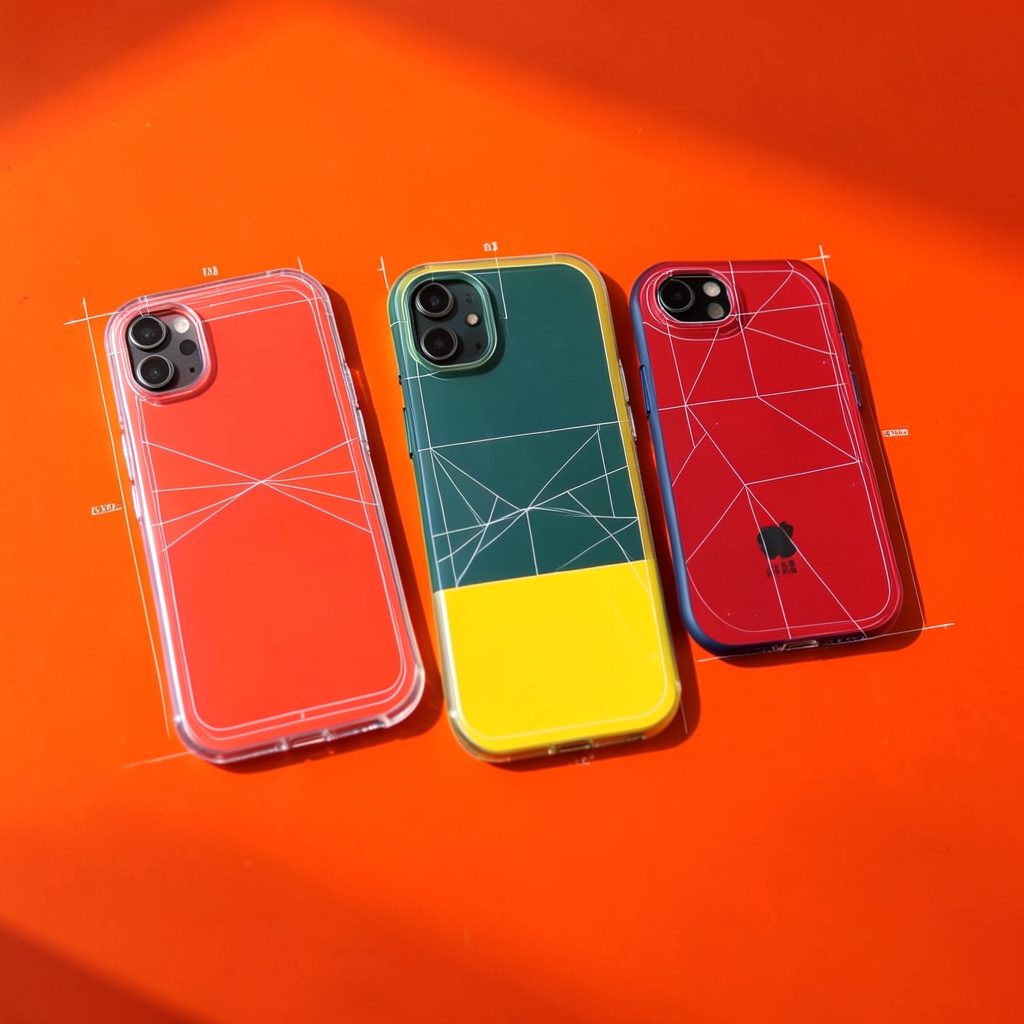 Phone Cases
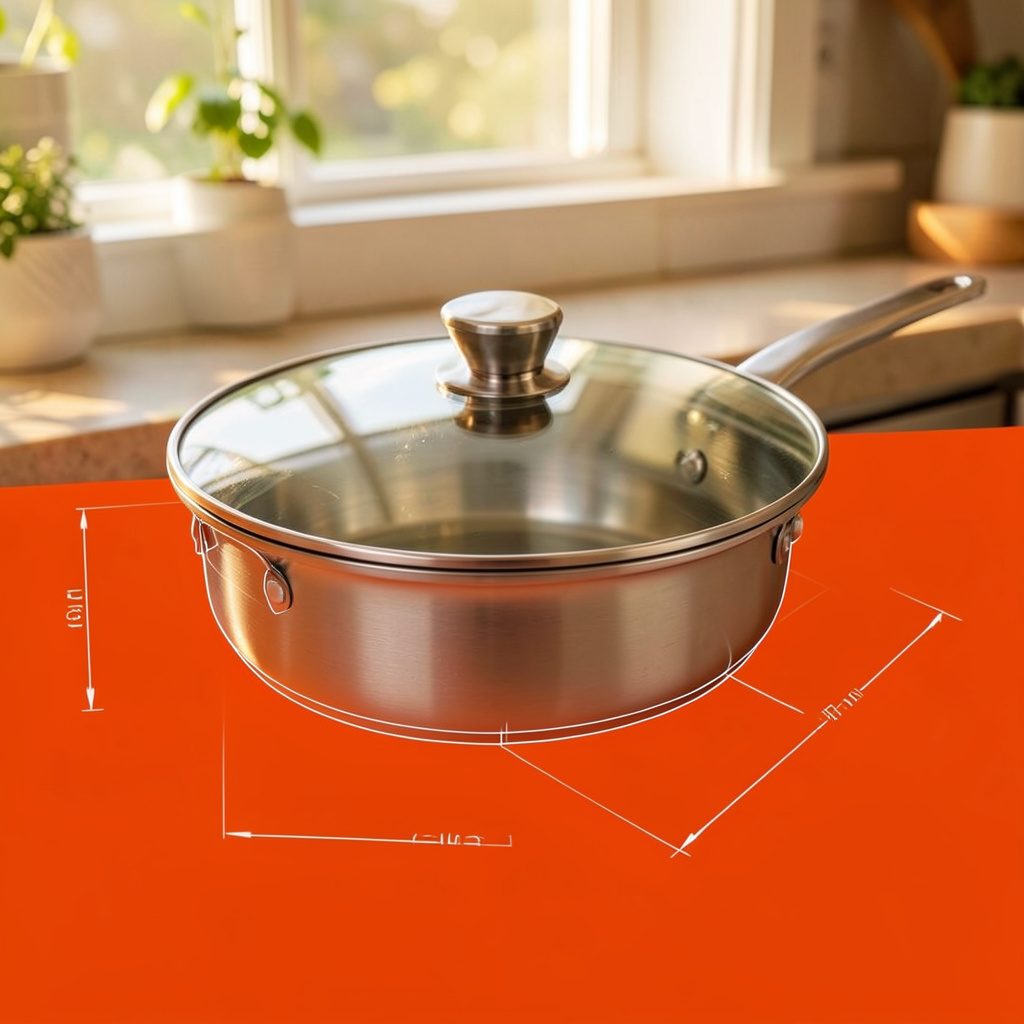 Kitchen
Why Readers Trust Symfonycamp
- Curated top-10 lists with clear ratings for every product
- Reviews grounded in real product features and user feedback
- Categories spanning electronics, kitchen, audio, and accessories
- Direct links to check current prices and availability
- Published articles dating back to April 2022
- Ratings as high as 9.9 for standout products

Ready to Find Your Next Great Purchase?


Featured Review: Best Bike Phone Mount from Andobil
Published July 1, 2022 — our detailed breakdown of Andobil bike phone mounts covers military-grade stability, anti-shake technology, and compatibility with iPhone and Samsung Galaxy series. Top-rated models scored up to 9.9.
Read the ReviewLatest Top-Rated Picks
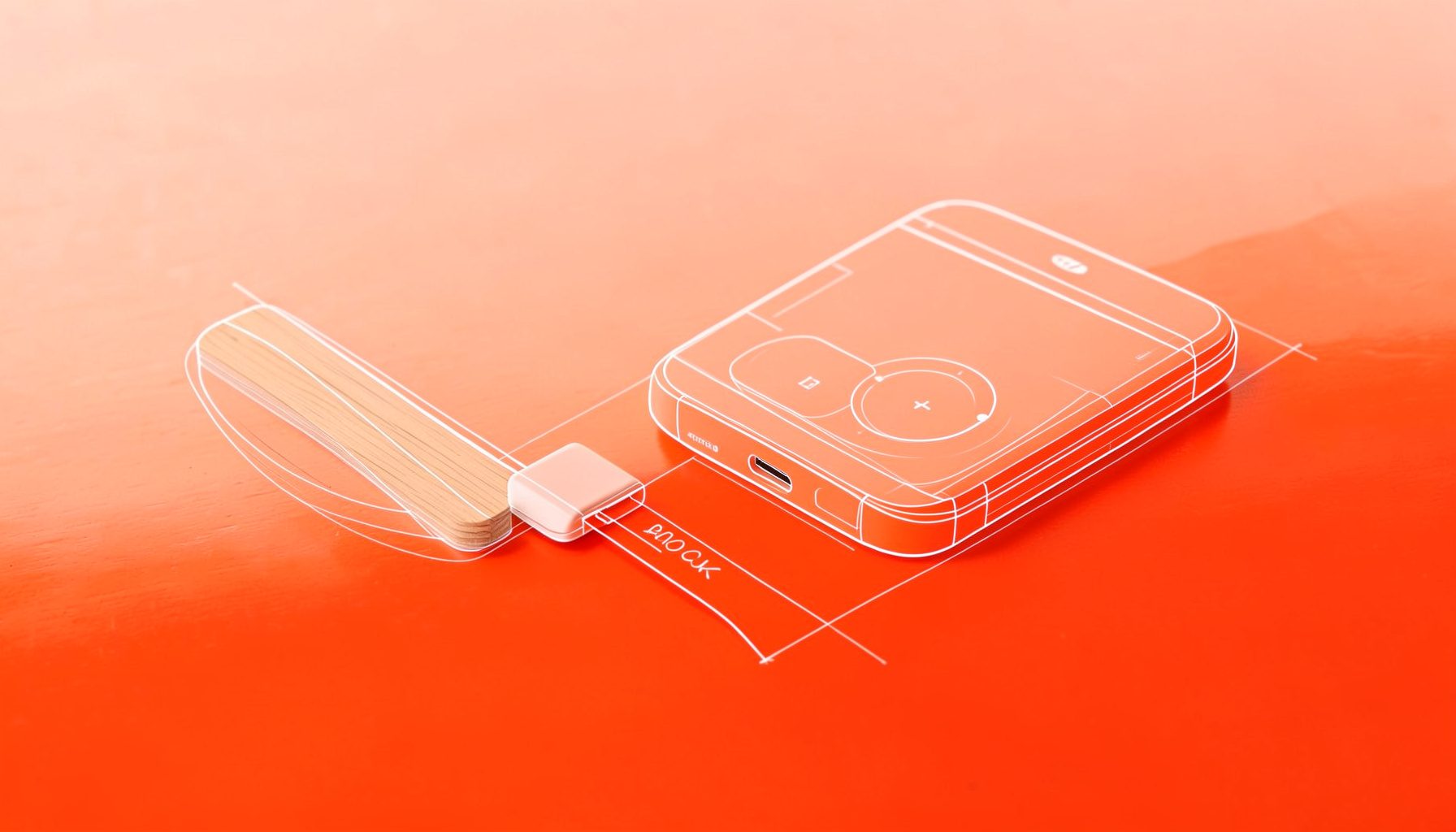
Best Bluetooth Headphones for iPod Nano
View Picks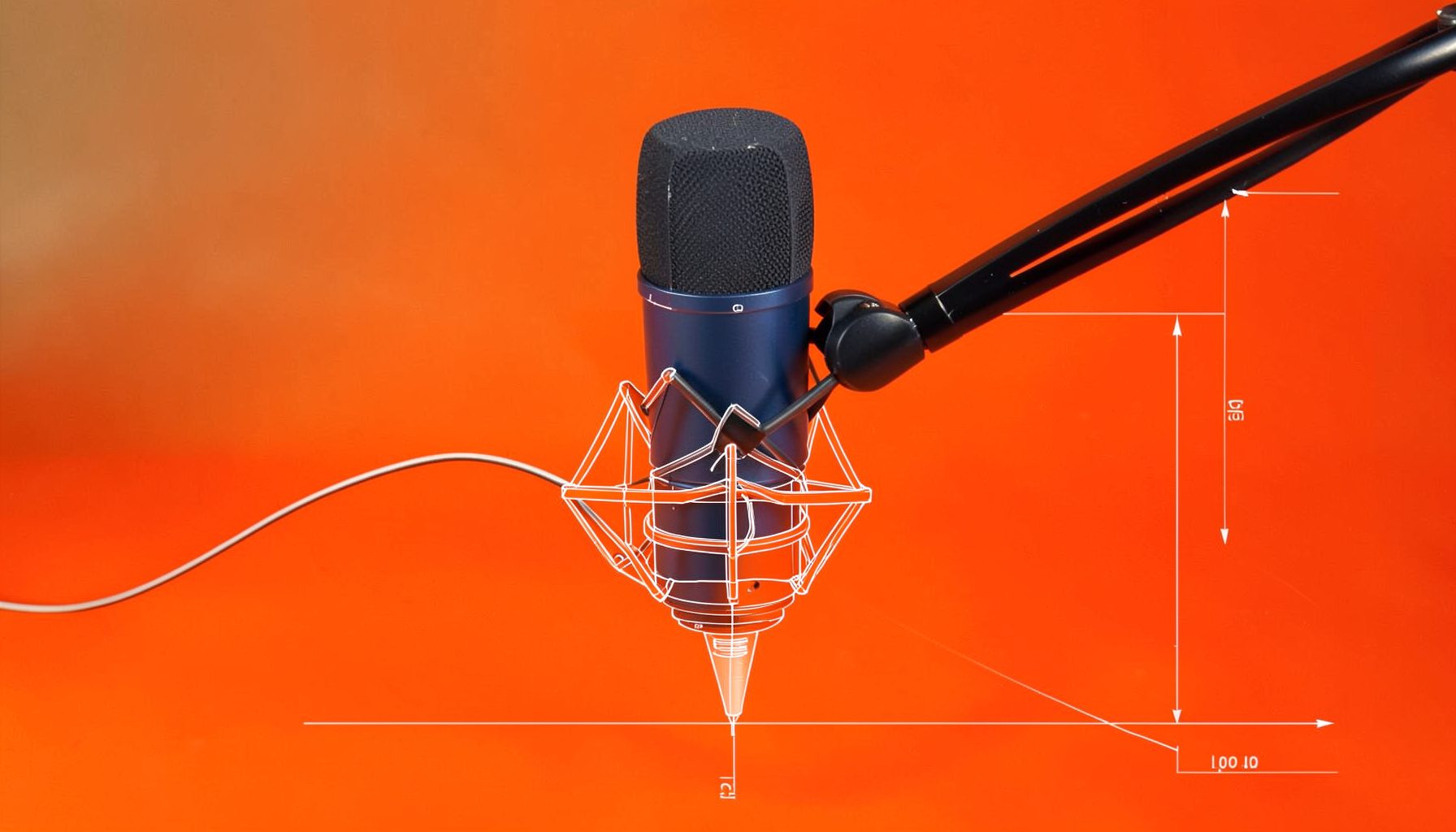
Best Blue Yeti Microphones for ASMR
View Picks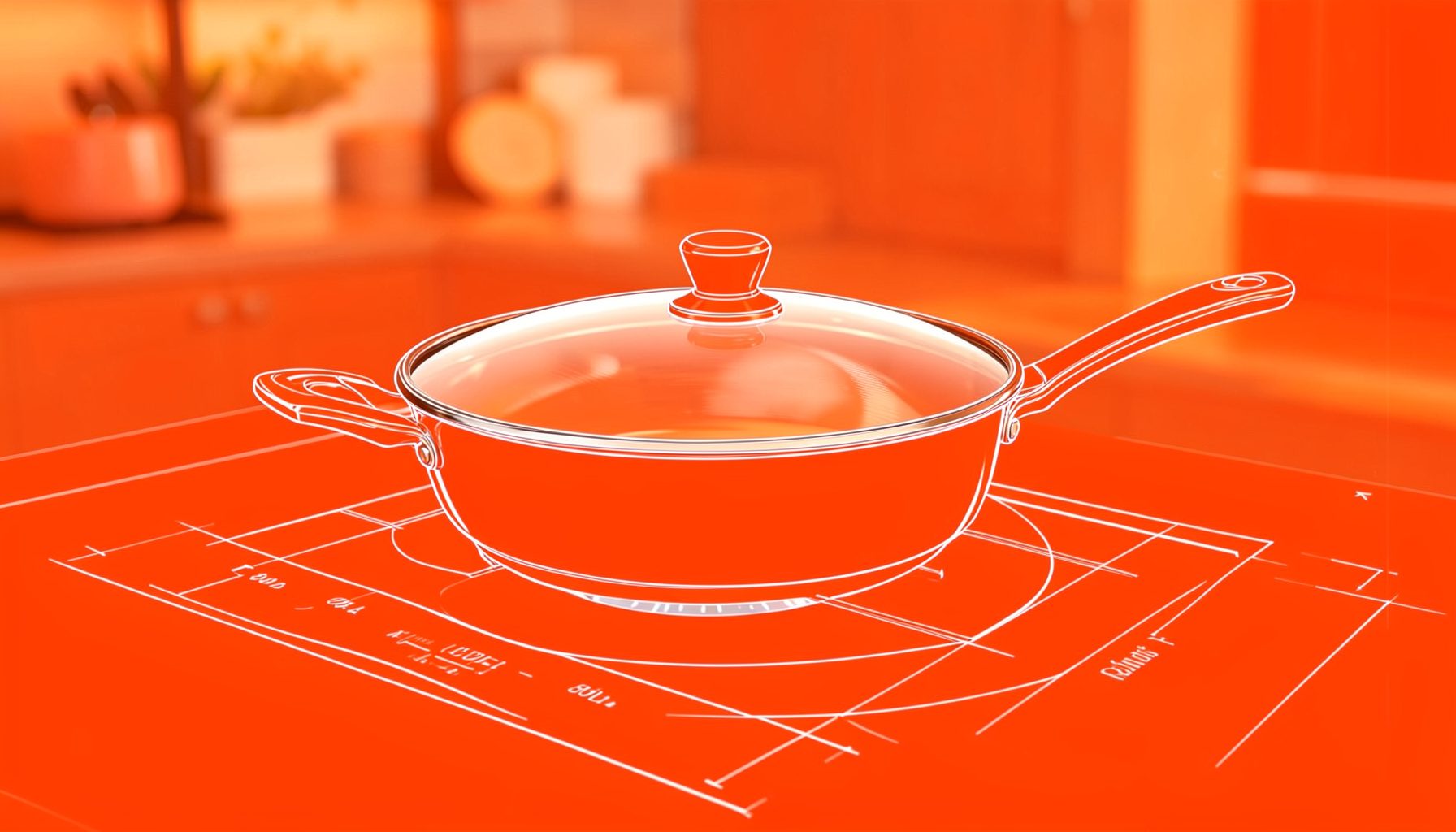
Best Frying Pans with Lids
View PicksThe Best Weather Stations for Home Gardeners and Farmers
A reliable weather station can turn guesswork into practical decisions. Instead of relying on a forecast for the nearest city, Australian gardeners and farmers can monitor conditions at their own property, including temperature, rainfall, humidity, wind, solar exposure and soil moisture. That information helps with irrigation, frost protection, planting schedules and outdoor work.
The right model depends on your land size, climate and tolerance for maintenance. A balcony gardener in Melbourne needs a different setup from a wheat grower near Wagga Wagga, a hobby farmer outside Brisbane or a market gardener in regional Tasmania. The recommendations below focus on useful measurements, dependable connectivity, Australian conditions and long-term value.
Why Local Measurements Matter
Weather can vary sharply across short distances. A station in suburban Sydney may record different rainfall and wind from an exposed block only a few kilometres away, while properties in the Adelaide Hills can experience cooler nights than the nearby metropolitan forecast suggests. Microclimates are especially important for vegetable beds, orchards, greenhouses and livestock shelters.
The Bureau of Meteorology remains essential for warnings, radar and broader forecasts, but a personal weather station fills in the gaps around your home or farm. A rain gauge beside the garden can reveal whether a storm actually delivered enough water, and an anemometer can show when conditions are unsuitable for spraying, pruning or operating equipment.
Australian buyers should also check that wireless equipment carries the required Regulatory Compliance Mark where applicable. Radio devices sold through the local market should comply with Australian communications requirements, while outdoor sensors need protection from intense sun, dust, heavy rain and coastal salt. A weatherproof enclosure and replaceable sensor parts can matter more than a long list of app features.
Features That Help Gardens And Farms
Temperature and humidity are the foundation of most home weather monitoring systems. They help identify frost risk, heat stress and conditions that encourage fungal disease. Gardeners growing tomatoes, grapes or cucumbers may benefit from alerts when humidity remains high overnight, while orchard owners can use temperature trends to protect blossoms during sudden cold snaps.
Rainfall measurement is valuable when irrigation costs are rising or water restrictions apply. Local rules vary by state and council, and restrictions can affect when sprinklers may be used. A station with rainfall totals for the last hour, day, week and month makes it easier to adjust watering rather than following a fixed schedule.
Wind data deserves careful attention on acreage. Wind speed and direction influence spraying, pollination, evaporation and fire risk. Solar radiation is useful for estimating drying conditions and plant stress, while a UV reading can help people plan shade and sun protection. Soil-moisture probes are particularly useful, though they should be treated as site-specific instruments rather than a perfect representation of an entire paddock.
Comparing Station Types
Price should be assessed alongside installation effort and sensor coverage. A compact indoor-outdoor unit may be enough for a small courtyard, whereas a farm setup may need a pole-mounted array, a larger transmission range and a separate soil probe. Some systems upload readings to a cloud dashboard, while others work locally and continue recording during an internet outage.
| Station type | Best suited to | Main advantages | Limitations |
|---|---|---|---|
| Basic wireless sensor | Balconies and small gardens | Affordable, simple, quick to install | Limited measurements and shorter range |
| All-in-one outdoor array | Home gardens and hobby farms | Wind, rain, temperature and humidity in one unit | Sensor placement affects accuracy |
| Expandable smart station | Serious gardeners and orchards | Extra soil, leaf-wetness or temperature sensors | Higher purchase and subscription costs |
| Professional farm system | Large properties and commercial use | Long range, robust logging and multiple sites | Expensive installation and maintenance |
| Solar-powered remote unit | Off-grid sheds and distant paddocks | Low cabling demands and independent operation | Batteries and solar panels need monitoring |
A good consumer model should refresh readings frequently, store historical data and provide clear alerts. Look for a backup memory function so measurements are not lost when Wi-Fi drops out. If the station depends on an app, check whether it supports Australian time zones, metric units and a useful web dashboard rather than forcing every task through a phone.
For people already interested in outdoor technology, the same practical approach applies when choosing hiking action cameras: weather resistance, battery behaviour and mounting options often matter more than headline specifications. A weather station should be judged by how consistently it performs outside, not by the number of icons displayed on its screen.
Installation And Accuracy
Sensor placement determines whether the readings are useful. The outdoor temperature sensor should be shaded, ventilated and positioned away from walls, concrete and air-conditioning outlets. The rain gauge needs a level, unobstructed location, while the anemometer should be high enough to avoid turbulence from roofs, trees and fences.
On a rural property, the ideal position may be far from the house, which makes transmission range and power supply important. Solar panels can help, but nearby trees may shade them during winter. Check the manufacturer’s stated range in open conditions and allow for walls, sheds and metal structures that can weaken the signal.
Calibration and maintenance are ongoing responsibilities. Empty the rain collector, clear spider webs from wind cups, inspect cable seals and compare temperature readings against a trusted thermometer. Soil probes need correct installation depth and may require recalibration when moved between sandy, clay or heavily mulched beds.
Choosing For Australian Conditions
Climate should guide the feature list. Tropical Queensland and the Northern Territory demand strong rain protection and dependable storm monitoring, while inland New South Wales and Victoria can bring very hot afternoons followed by frost. Tasmania and elevated parts of Victoria may place greater emphasis on cold tolerance and frost alerts, while Western Australian properties can need long transmission distances and protection from dry dust.
Farmers should consider whether the station supports multiple sensor locations. One sensor near the house may not represent a vineyard, dam, greenhouse or livestock area. A system that accepts extra temperature or soil probes can be more useful than replacing a complete station later. For hobby growers, a single accurate array with a reliable rain gauge is often better value than a complicated unit with features that will never be used.
A station can also support broader routines around food production. Humidity and temperature readings help determine when herbs, fruit or garden produce can be harvested and dried safely; complementary guidance on food dehydrators for jerky can be useful when planning that equipment. For independent product research and general reference material, some readers also browse Wikis Take alongside manufacturer documentation, though technical decisions should rely on verified specifications.
Buying Priorities For Different Users
A home gardener should prioritise dependable temperature, humidity and rainfall data, simple alerts and a readable mobile app. Soil moisture is worthwhile for raised beds and container plants, especially when away from home, but one probe cannot represent every pot or garden zone. Choose a station that makes daily checks quick rather than burying useful readings in complex menus.
A small farm or hobby property benefits from stronger wireless range, wind measurement, weather history and replaceable batteries. Commercial growers may need several monitoring points, exportable data and integration with irrigation or farm management software. Before buying, confirm the cost of replacement sensors and whether the brand provides support in Australia.
Key checks before ordering:
- Confirm metric units, Australian time settings and local app availability.
- Look for an RCM-marked wireless product from an established seller.
- Check sensor range, mounting hardware and power requirements.
- Review the cost and availability of replacement probes and batteries.
Useful habits after installation:
- Compare the first week of readings with nearby BOM observations.
- Keep the rain gauge and solar panel free from debris.
- Set alerts for frost, high wind, heat and low soil moisture.
- Record seasonal readings before changing irrigation routines.
The best choice is the station that produces dependable information where it matters. A simple, well-positioned unit can improve watering and frost decisions more effectively than an expensive system installed beside a wall or under a tree. For most Australian homes and hobby farms, an expandable wireless station with rainfall, wind, temperature, humidity and optional soil monitoring offers the strongest balance of capability and cost.
Begin by mapping the property’s key microclimates and measuring the distance between the house, garden and proposed sensor location before comparing models.