Curated reviews and top-rated picks across electronics, kitchenware, phone accessories, and more.
Get a Free Quote



Trusted Product Reviews Since 2022
Symfonycamp publishes carefully researched product recommendations across categories including home electronics, kitchen, phone accessories, audio gear, and more. Each article highlights top-rated items with detailed ratings and direct links to learn more.
Explore Reviews
Our Review Categories
Explore top-rated products across every category we cover
 Bike Gear
 Audio
 Microphones
 Batteries
 Phone Cases
 Kitchen
Why Readers Trust Symfonycamp
- Curated top-10 lists with clear ratings for every product
- Reviews grounded in real product features and user feedback
- Categories spanning electronics, kitchen, audio, and accessories
- Direct links to check current prices and availability
- Published articles dating back to April 2022
- Ratings as high as 9.9 for standout products
Ready to Find Your Next Great Purchase?


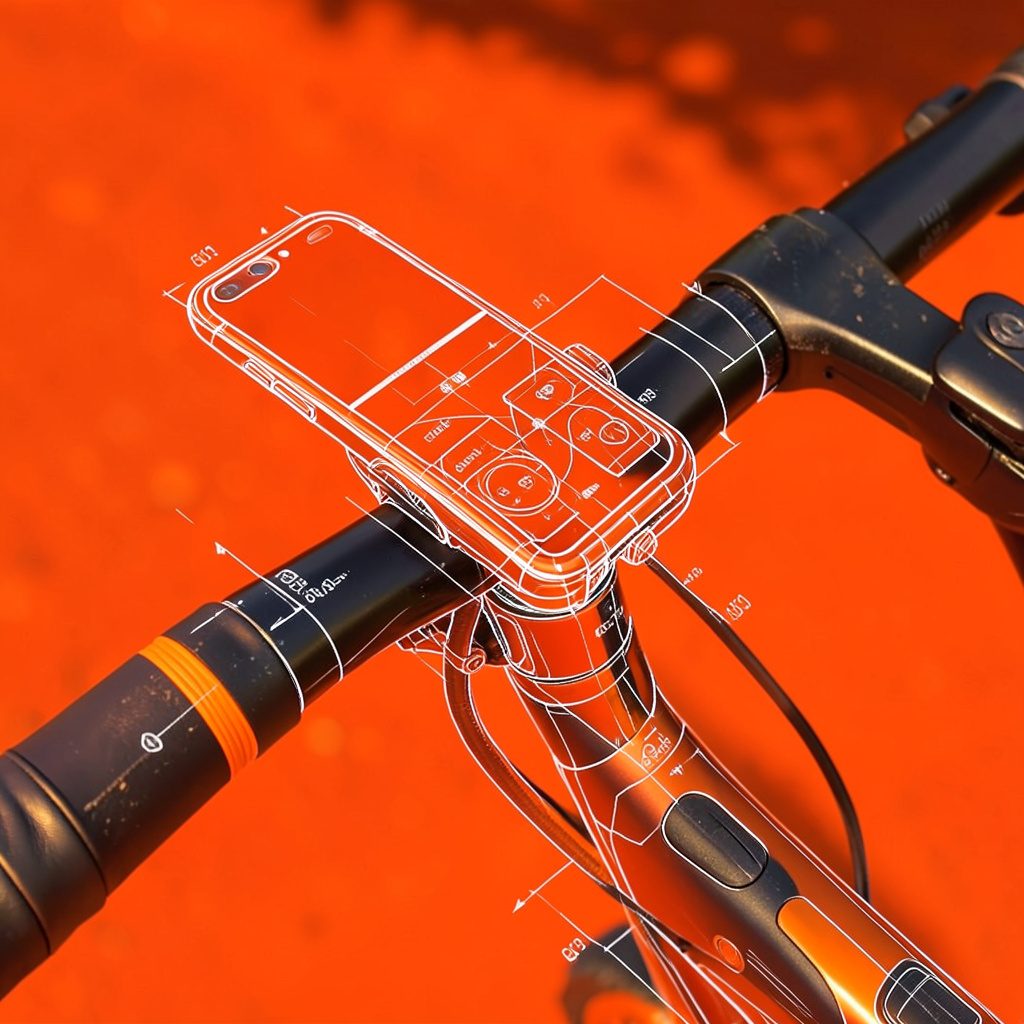
Featured Review: Best Bike Phone Mount from Andobil
Published July 1, 2022 — our detailed breakdown of Andobil bike phone mounts covers military-grade stability, anti-shake technology, and compatibility with iPhone and Samsung Galaxy series. Top-rated models scored up to 9.9.
Read the ReviewLatest Top-Rated Picks
Best Bluetooth Headphones for iPod Nano
View Picks
Best Blue Yeti Microphones for ASMR
View Picks
Best Frying Pans with Lids
View PicksPortable solar panels for off-grid adventures
Solar makes obvious sense across Australia, where bright days can keep essential devices running far from a caravan park or public outlet. The best portable solar panels for off-grid charging are particularly useful around the Red Centre, Ningaloo and the Flinders Ranges. The right model can maintain a phone, camera, navigation unit or small battery bank without carrying a noisy generator.
A portable solar panel is not a battery. It generates DC power, while a power station stores that energy and provides regulated outlets. Some folding panels charge phones directly, although their USB output varies. Larger models need the correct cable, controller and battery system, plus enough sunlight to replenish stored energy rather than merely maintain it.
This ranking weighs rated output, weight, folding speed, weather sealing, controller quality, connector standards and recurring user feedback. Local availability and replacement parts also matter. Actual output depends on sun angle, temperature and shading, so headline wattage is treated as an indication rather than a guarantee of charging speed.
Australian shoppers should expect GST-inclusive pricing, local warranty support and occasional imports whose replacement parts are sold overseas. Intense UV, dust, coastal salt and sudden summer storms can quickly expose weak seals or cables. These panels suit different budgets and camps, but each becomes more useful with sensible storage and a realistic estimate of the loads involved.
Choosing the right panel in Australian conditions
Start with the load, then the storage. A phone or power bank needs relatively little power; running a 12V fridge or charging camera batteries benefits from 100W or more. Connecting a panel directly to a 230V appliance is unsafe. A suitable power station must use pure sine-wave AC output compatible with the Australian Type I plug.
Check whether the panel charges through USB, feeds a 12V battery through an MPPT controller or uses a high-voltage Anderson connector. These systems are not interchangeable without suitable voltage regulation. Match the panel’s maximum current to the controller, and treat its IP rating as evidence of sealing rather than permission to leave electronics exposed.
A broader field-equipment checklist from Wikis Take helps separate useful accessories from clutter. Folded size matters less than carried weight when a panel must travel from the vehicle to a sunny ridge. In Australia, angling a fixed panel towards the north generally improves winter yield, while shade from a tent or vehicle roof can halve its output.
Best overall folding panels
1. EcoFlow NextGen 220W: The best all-round option for a serious off-grid kit. Its 220W rating, quick folding design and strong integration with EcoFlow power stations make it efficient to deploy, while the substantial frame feels stable in wind. It is too heavy for a casual daypack but sensible for a vehicle-based camp.
2. Jackery SolarSaga 200W: A widely available 200W favourite that balances useful output with the familiar Jackery ecosystem. Its multi-panel format can be spread across the ground or positioned on a vehicle, and the broad accessory range simplifies charging compatible stations. The trade-off is weight and a bulkier fold.
3. Bluetti PV200: This four-panel unit offers good value for buyers already using Bluetti storage. The briefcase design is easy to align with direct sun and supplies sufficient output for phones, cameras and a battery bank. It is not especially compact, so buyers seeking the lightest option should consider a 100W model.
Strong options for campers and road trips
4. Anker SOLIX PS200: A lighter 200W choice for travellers who want meaningful charging without carrying the largest briefcase. Anker’s portable range is well supported in Australia, and the panel folds neatly into a boot or storage drawer. Confirm charging compatibility and connector standards with the intended power station.
5. Renogy 200W Portable Solar Briefcase: Built around a controller and conventional battery connection, this panel appeals to 12V campervan users and DIY storage builders. The integrated controller simplifies installation, although the briefcase is heavy and inconvenient for hiking. Check the Anderson plug orientation and controller settings before ordering.
Navigation deserves the same attention as charging. The site’s GPS watch reviews can help identify a watch suited to remote tracks, but no watch can overcome a flat battery. Carry offline maps and keep one phone charged for emergencies beyond mobile coverage in central Australia.
Higher-output panels for battery charging
6. FlexSolar 200W: A high-output folding panel aimed at 12V battery charging. It suits camps needing to replenish a power station over several days, provided the supplied controller and cable match the battery system. The large surface needs proper anchoring because a towel or light weight will not secure it in gusty weather.
7. Goal Zero Nomad 200: A rugged briefcase-style panel with a clear 12V and 24V proposition. It suits permanent vehicle installations or buyers who prioritise enclosure strength over rapid setup. Australian availability is less consistent than for major electronics brands, so verify warranty service and replacement cables before committing.
8. Dometic RTX 100: A compact fixed panel familiar to the Australian caravan market. It can support trickle charging and maintain a 12V battery while a vehicle is stationary, but it offers less flexibility than folding models. Roof mounting requires sound sealing and a suitable controller, especially around cable entry points.
Compact models for lighter travel
9. BigBlue SolarPowa 100: This smaller folding panel provides enough output for phones, navigation and light 12V charging at a friendlier price. It is a sensible budget choice for campers who already own a compatible controller. Check the current model’s connectors and included accessories, as specifications differ between generations.
10. EcoFlow 110W: The lightest practical pick is useful for day trips and maintaining small devices without carrying a full-size briefcase. It can provide campsite or caravan backup, though it is too modest for rapid battery charging in poor weather. A separate power bank remains essential for overnight reserves.
Lower-wattage models make sense when the goal is resilience rather than complete independence from cables. Two smaller panels can provide redundancy if one becomes shaded, while one 200W model offers more energy per unit of setup time. Always match the panel to the battery’s required charging current rather than its advertised capacity alone.
Matching solar with power stations and batteries
Compatibility matters more than brand. Many portable power stations accept 30W or 60W USB-C input, while full-size solar inputs commonly use a higher-current Anderson plug. The operating voltage must fall within the station’s solar range. A physically similar connector can still be unsafe if its voltage or polarity differs.
MPPT controllers generally extract more energy than basic PWM units under variable light. A 100W panel connected to a controller rated below 10A may produce less than its nameplate suggests, particularly in warm conditions. For 12V systems, confirm that the controller also supports the battery chemistry and voltage; lithium power stations should use the manufacturer’s approved charging sequence.
Broader Symfonycamp buying guides can help with adjacent equipment such as power banks, rugged phones and navigation devices. A cleaner setup starts with one panel, one matched controller and a modest battery bank. Capacity can be added after measuring consumption, reducing cable clutter and avoiding expensive equipment that remains unused.
Field lessons and final buying verdict
Field use changes the result. In the Red Centre, midday sun can be intense while a shaded vehicle body causes output to collapse. Wind and dust test hinges, buckles and connectors around the Flinders Ranges, while coastal journeys add salt. Dry panels with a soft cloth, inspect cables regularly and stop using any damaged connector.
Small panels are sufficient for phones and lights at many campgrounds, while vehicle-based camps generally benefit from 200W and a power station. Check campground and national-park generator restrictions, as a quiet solar setup may avoid limitations that apply to fuel-powered equipment. Where generators are prohibited, solar becomes a practical necessity rather than simply an environmental preference.
The best portable solar panel is the one that can be deployed where the sun actually reaches it, matched cleanly to storage and sized for the loads that matter. Remember the usable-wattage estimate, retain backup power for critical devices and secure the equipment properly; those habits matter as much as the wattage printed on the box.